
As temperatures drop, many homeowners turn to propane heaters for warmth. Understanding the monthly costs associated with running these heaters is crucial for budgeting your heating expenses.
This article breaks down the factors that contribute to the overall cost of using propane heaters, helping you make informed decisions.
Cost to Run a Propane Heater for a Month
Running a propane heater for a month typically costs between $100 and $200, depending on your heater’s efficiency, propane prices, and usage hours. The key to estimating this cost is understanding how much propane your heater uses and the current price per gallon in your area.
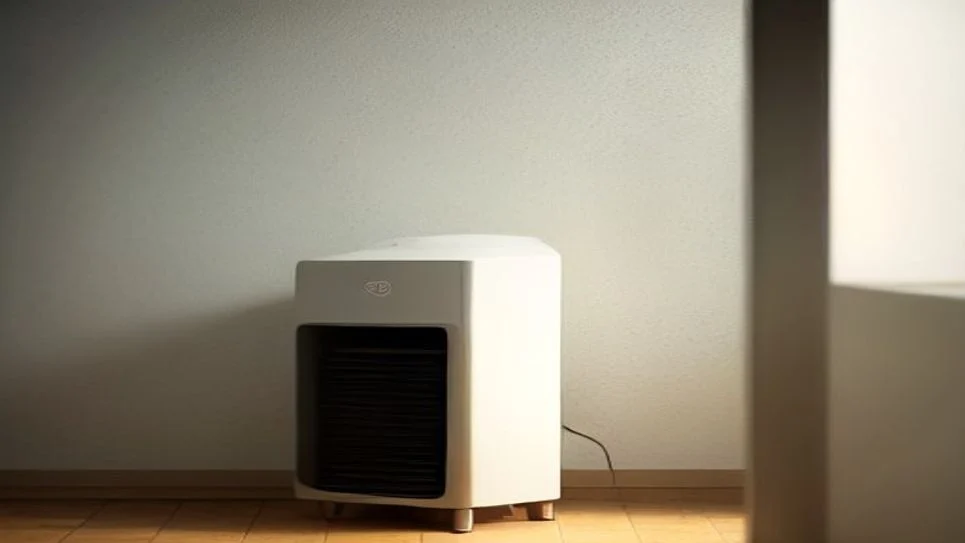
Most propane heaters consume between 1 and 4 gallons of propane per day, varying by model and heat output. For example, a Martin propane heater, known for its reliability, usually burns about 2 gallons daily when running several hours. The price of propane fluctuates but averages around $3 to $4 per gallon in the United States.
To calculate monthly costs, multiply your daily propane consumption by the price per gallon and then by the number of days you plan to run the heater. For instance, using 2 gallons per day at $3.50 per gallon over 30 days results in $210 monthly.
| Daily Consumption (gallons) | Price per Gallon ($) | Days per Month | Estimated Monthly Cost ($) |
|---|---|---|---|
| 1 | 3.00 | 30 | 90 |
| 2 | 3.50 | 30 | 210 |
| 3 | 4.00 | 30 | 360 |
Several factors affect these costs. Heater efficiency plays a big role. The most efficient propane heater reviews highlight models that convert more fuel into usable heat, lowering consumption. Vented propane heaters, which exhaust combustion gases outside, often have slightly lower efficiency than ventless models but improve indoor air quality. Choosing the best vented propane heaters can balance efficiency and safety for indoor use.
Usage patterns also matter. Running a heater continuously at high settings will consume more propane than intermittent use or lower settings. Insulation quality and the size of the space also impact how hard your heater must work.
Propane heaters vary widely, from portable units for small spaces to whole-house models. For portable heat, consider the best small propane heaters for portable heat, which use less fuel but heat less area. For larger spaces, whole-house heaters or forced-air propane heaters offer more output but higher fuel consumption.
Understanding your heater’s daily propane consumption, fuel prices, and daily run time helps estimate monthly costs. Check efficiency ratings and venting type to choose a model that keeps expenses manageable. For more on selecting propane heaters, see our guides on best propane heaters for whole-house heating and best vented propane heaters.
Understanding Propane Heater Efficiency
Heater efficiency directly affects how much propane you burn and your monthly cost. Efficiency ratings show the percentage of fuel energy converted into usable heat. A 90% efficient heater turns 90% of propane energy into heat, while the rest escapes as exhaust or waste.
Propane heaters come in vented and ventless types. Ventless heaters, also called unvented, release combustion gases directly into the room. They are typically 99% efficient because no heat escapes through a vent. However, they require good ventilation to avoid moisture buildup and indoor air quality issues.
Vented heaters exhaust combustion gases outside, so they lose some heat through the vent. Their efficiency ranges from 75% to 90%, depending on design. Although less efficient, vented heaters improve indoor air quality and reduce moisture risks.
The heater’s BTU output shows how much heat it produces per hour. A small propane heater might output 10,000 to 20,000 BTU, suitable for a room around 150 to 300 square feet. Higher BTU means more heat but also more propane consumption and higher running costs.
To estimate running cost, divide the BTU output by the heater’s efficiency, then convert to gallons of propane burned per hour. Propane contains about 91,500 BTU per gallon. For example, a 20,000 BTU heater at 90% efficiency uses roughly 0.24 gallons per hour (20,000 ÷ 0.9 ÷ 91,500). Multiply by your propane price and hours used for the cost.
Small propane heaters are practical for spot heating or rooms you use briefly. They often have lower BTU output and higher efficiency if ventless, making them economical for short-term use. Larger vented models suit whole-room or whole-house heating but cost more to run.
- Check Heater Efficiency RatingLook for an efficiency percentage in the product specs or manual. Higher efficiency means less fuel consumption.
- Choose Ventless for Efficiency, Vented for Air QualityPick ventless models for tight budgets and open, ventilated spaces. Choose vented models if you need better air quality and less moisture indoors.
- Match BTU Output to Room SizeCalculate needed BTU by room square footage. Use smaller heaters for small rooms or spot heating to save fuel.
- Calculate Fuel Use and CostDivide BTU output by efficiency and propane BTU per gallon. Multiply by propane cost and usage hours to estimate monthly expenses.

Comparing Different Propane Heaters
Propane heaters come in various types suited for different spaces and uses. Knowing their BTU output, run time, and safety features helps pick the right model.
| Heater Model | BTU Output | Run Time on 1 lb or 20 lb Cylinder | Use Case | Safety Features |
|---|---|---|---|---|
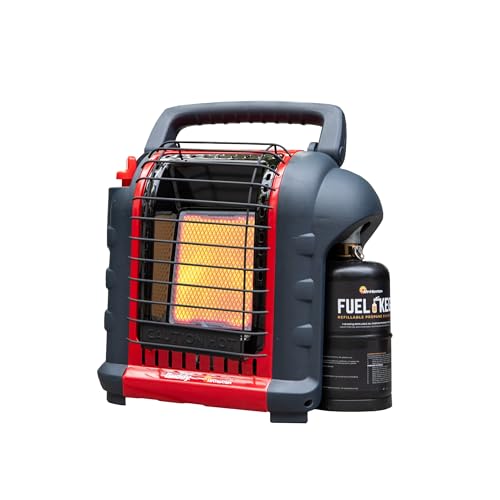
| Mr. Heater 9,000 BTU Portable Buddy Radiant | 4,000 or 9,000 BTU/hr | 5.4 hours low, 2.4 hours high on 1 lb cylinder | Indoors and outdoors, up to 225 sq ft | Emergency low oxygen shut-off, tip-over switch |
| Mr. Heater Original 540-Degree 45,000 BTU Tank Top Radiant | 30,000 to 45,000 BTU | Approx. 9.5 hours on high with 20 lb tank | Outdoor use only, large spaces | Tip-over safety shut-off switch |
The Mr. Heater 9,000 BTU Portable Buddy is a common choice for garages or workshops under 225 square feet. Its two heat settings and safety shut-offs suit indoor use where ventilation is adequate. Users often mention its reliable warmth and portability in martin propane heater reviews.
For larger outdoor areas, the Mr. Heater Original 540-Degree 45,000 BTU heater offers more power but lacks indoor approval. It mounts on a standard 20-pound propane tank, providing long run times and broad radiant heat coverage. Its tip-over shut-off is critical for outdoor safety.
Portable radiant heaters like the Buddy work well indoors if you follow ventilation rules. Tank-top radiant heaters deliver high heat for big outdoor tasks but are unsafe indoors due to carbon monoxide risks.
When choosing a propane heater, consider the size of the space, where you will use it, and your need for portability. The BTU rating indicates how much heat you get per hour, while run time shows how long a cylinder lasts. Safety features like low oxygen shut-off and tip-over protection are essential for indoor models.
For more on selecting heaters for garages or workshops, see our guide on best propane heaters for garages workshops.
Safety Considerations for Propane Heaters
Ventless propane heaters designed for indoor use have oxygen depletion sensors that shut the unit off if oxygen levels drop too low. These models are safe indoors when used according to the manual and with a working CO alarm nearby.

Never use outdoor-only propane heaters indoors. They lack safety sensors and produce unsafe CO levels. Always follow manufacturer instructions for ventilation, clearance, and cylinder handling.
- Ensure Adequate VentilationOpen a window or door slightly to allow fresh air into the room while the heater runs.
- Use Carbon Monoxide AlarmsInstall CO detectors near the heater and in sleeping areas to alert you to dangerous gas buildup.
- Follow Clearance GuidelinesKeep at least 3 feet of space around the heater free from flammable materials.
- Never Leave UnattendedTurn off the heater when leaving the room or going to sleep unless the model is specifically designed for continuous indoor use.
Tips for Reducing Heating Costs
Lowering your propane heating bill starts with choosing the right heater. The best cabin propane heater for reliable warmth holds heat well and runs efficiently, cutting fuel use without sacrificing comfort. For tight indoor spaces, the best indoor wall propane heater provides steady heat with minimal propane consumption.
Insulation and draft-proofing are critical. Seal gaps around windows, doors, and vents with weatherstripping or caulk to keep warm air inside. Adding foam gaskets behind outlet and switch plates reduces cold air leaks. Use heavy curtains or thermal window coverings at night to trap heat.
Set your thermostat wisely. Lowering the temperature by just 3 to 5 degrees when you’re away or asleep can cut propane use noticeably. Aim for 68°F when home and awake, and drop to 60 to 65°F at night or during absences. Programmable thermostats make this easier and more consistent.
Regular maintenance improves heater efficiency and safety. Clean or replace filters, check burner flames for proper color and size, and inspect vents for blockages. A well-maintained heater burns propane more completely, reducing waste and the risk of carbon monoxide buildup.
Frequently Asked Questions About Propane Heaters
How much propane does a typical heater use? A 30,000 BTU propane heater consumes about 0.7 gallons of propane per hour at full output. Usage varies with heater size, efficiency, and thermostat settings.
Use propane heaters indoors only if they are rated for indoor use by the manufacturer. Follow all instructions on ventilation carefully. Always operate a working carbon monoxide alarm in the room where the heater runs. Do not use propane heaters labeled for outdoor use inside.
What is the best way to store propane cylinders? Store propane tanks upright in a well-ventilated outdoor area away from heat sources. Do not store tanks indoors or in enclosed spaces.
Are ventless propane heaters cost-effective? Ventless heaters are highly efficient since they vent heat directly into the room, but they require careful use to maintain air quality and safety.
Frequently Asked Questions
How much propane does a typical heater use?
What is the average cost of propane?
Can I use a propane heater indoors?
What are the benefits of vented vs. ventless propane heaters?
How do I calculate the cost of running my propane heater?
What maintenance does a propane heater require?
For the detail, see our notes on comparison of gas heater types.
The other half of this decision is heating systems for homes.
