
As winter approaches, keeping your home warm becomes a priority. Ventless propane heaters offer a convenient solution for heating without the need for complicated installation or venting.
These heaters provide efficient warmth, making them ideal for various indoor spaces, from living rooms to workshops.
Ventless Propane Heater Features Comparison
| Product | Best for | BTU Output | Heating Area | Fuel Type | Safety Features | Price |
|---|---|---|---|---|---|---|
| Mr. Heater Vent Free Blue Flame Dual Fuel Heater | Best Overall | 30,000 BTU/HR | Up to 1,000 sq. ft. | Dual Fuel | Battery ignition, adjustable thermostat | Check price |
| Mr. Heater Vent Free Radiant Dual Fuel Heater | Best for Radiant Heat | 30,000 BTU/HR | Up to 1,000 sq. ft. | Dual Fuel | Battery ignition, adjustable thermostat | Check price |
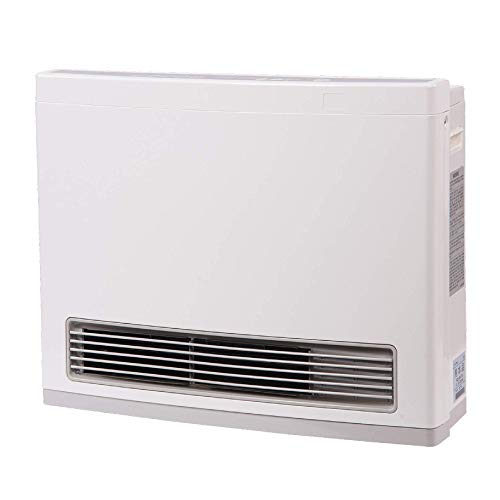
| Rinnai FC824P Ventless Propane Heater | Best Programmable Control | — | — | Propane | Oxygen depletion sensor, flame failure device, tilt switch | Check price |
| ProCom ML100TBA-B Blue Flame Ventless Heater | Best Compact Blue Flame | 10,000 BTU | Up to 500 sq. ft. | Liquid Propane | Oxygen depletion sensor | Check price |
| ProCom ML100TPA-B Infrared Ventless Heater | Best Compact Infrared | 10,000 BTU | Up to 500 sq. ft. | Liquid Propane | Oxygen depletion sensor | Check price |




Best Ventless Propane Heaters for Indoor Use
Mr. Heater Vent Free Blue Flame Dual Fuel Heater
- BTU Output30,000 BTU/HR
- Heating AreaUp to 1,000 sq. ft.
- Fuel TypeDual Fuel
- IgnitionBattery Operated Electronic Spark
- ThermostatBuilt-in adjustable
- High 30,000 BTU heat output
- Adjustable thermostat included
- Battery-operated ignition with battery included
- No electricity or venting required
- Heavier and larger than smaller models
- Requires propane tank refills
Mr. Heater Vent Free Radiant Dual Fuel Heater
- BTU Output30,000 BTU/HR
- Heating AreaUp to 1,000 sq. ft.
- Fuel TypeDual Fuel
- IgnitionBattery Operated Electronic Spark
- ThermostatBuilt-in adjustable
- Radiant heat warms objects and people
- High BTU output for large rooms
- Battery ignition with included battery
- Adjustable built-in thermostat
- Radiant heat less effective in open areas
- Needs propane refills
Rinnai FC824P Ventless Propane Heater
- Heating Area—
- Fuel TypePropane
- Safety FeaturesOxygen depletion sensor, flame failure device, tilt switch
- Programmable digital thermostat for precision
- Multiple safety sensors and automatic shutoffs
- Child-safe cool-to-touch cabinet
- Ductless and ventless for easy installation
- Requires professional installation
- Lower heat output than some larger models
ProCom ML100TBA-B Blue Flame Ventless Heater
- BTU Output10,000 BTU
- Heating AreaUp to 500 sq. ft.
- Fuel TypeLiquid Propane
- Safety FeaturesOxygen depletion sensor
- Mounting OptionsWall mount or base feet
- Compact size fits small rooms
- Adjustable thermostat with three heat levels
- Oxygen depletion sensor for safety
- No electricity needed, works during power outages
- Lower heat output limits large space use
- Base feet or wall mount required for placement
ProCom ML100TPA-B Infrared Ventless Heater
- BTU Output10,000 BTU
- Heating AreaUp to 500 sq. ft.
- Fuel TypeLiquid Propane
- Safety FeaturesOxygen depletion sensor
- Mounting OptionsWall mount or base feet
- Infrared heat warms objects directly
- Adjustable thermostat with multiple settings
- Safety oxygen depletion sensor
- No electricity needed for operation
- Limited to smaller rooms
- Requires base feet or wall mounting
How to Choose a Ventless Propane Heater
Ventless propane heaters burn fuel without an exhaust vent, releasing heat directly into the room. This makes them more efficient than vented models because no heat escapes outside. However, ventless heaters require good ventilation and a carbon monoxide alarm, as combustion byproducts mix with indoor air.
Choose ventless if you want quick, high-output heat without installing a vent pipe. Vented propane heaters exhaust combustion gases outdoors, making them safer for tight or poorly ventilated spaces but less efficient. For indoor rooms with enough fresh air, ventless models provide more heat per gallon of propane.
Match heater BTU output to your room size. A 30,000 BTU ventless heater can warm about 1,000 to 1,200 square feet in a well-insulated space. Safety features to check include automatic shut-off if oxygen levels drop, tip-over protection, and EPA or CSA certification. These reduce risks of carbon monoxide buildup and accidents.
Installation requires a propane supply and enough fresh air for combustion. Ventless heaters do not need a vent pipe but must be installed where air can circulate freely. Choose between liquid propane or natural gas models based on your fuel source. Confirm your heater is rated for indoor use and follow all manufacturer guidelines.
Sizing and Heat Output of Ventless Propane Heaters
BTU, or British Thermal Unit, measures the heat output of propane heaters. One BTU raises one pound of water by one degree Fahrenheit. A heater’s BTU rating indicates how much heat it can produce per hour. Higher BTUs mean more heat but also more propane consumption.
Calculate heater size by multiplying the room’s square footage by the insulation factor. For example, a well-insulated room needs about 20 to 30 BTUs per square foot, while a poorly insulated one requires 40 or more. A 500-square-foot room with average insulation needs roughly 15,000 BTUs.
Ventless heaters deliver heat directly inside, so their BTU rating usually covers a larger area than vented models of the same rating. Vented heaters lose heat through exhaust, reducing effective output. If choosing between ventless and vented, ventless offers more heat for the same BTU but needs ventilation and safety checks.
Consider room layout and airflow. Open floor plans allow heat to spread evenly, while closed rooms or high ceilings may need a higher BTU heater or multiple units. Use a heater with adjustable output or thermostatic control for better temperature management in varied spaces.
Running Costs of Ventless Propane Heaters
A ventless propane heater burns fuel inside the room without an exhaust vent, releasing heat directly into the air. This design makes it effective but means combustion byproducts mix with indoor air, so ventilation and safety features matter.
To estimate running costs, start with BTUs. One BTU equals the heat needed to raise one pound of water by 1°F. Propane contains about 91,500 BTUs per gallon. A 30,000 BTU heater running for one hour uses roughly 0.33 gallons of propane.
Multiply your local propane price per gallon by the gallons used per hour to find hourly cost. If propane costs $3.50 per gallon, running a 30,000 BTU heater for 8 hours daily would cost about $9.24 per day (0.33 gallons × $3.50 × 8 hours).
Compare this to electric heating. A 1,500 watt electric heater uses 1.5 kWh per hour. At 17 cents per kWh, running it for 8 hours costs about $2.04 daily. Electric heat is often cheaper per hour but heats the air only, while propane heaters warm the room more deeply.
Ventless propane heaters typically have efficiency ratings near 99 percent, meaning nearly all fuel energy converts to heat. Electric heaters are nearly 100 percent efficient at converting electricity to heat but may cost more depending on local rates.
Safety and Certification for Ventless Propane Heaters
Ventless propane heaters are safe indoors when equipped with oxygen depletion sensors (ODS) that shut off fuel if oxygen drops below safe levels. This prevents dangerous carbon monoxide buildup.
Look for heaters certified by ANSI or similar safety organizations. These certifications require strict testing for combustion safety, gas leaks, and sensor reliability, ensuring the heater meets national safety standards.
Proper installation is essential. Follow manufacturer guidelines for clearance from walls and furniture, and never use ventless heaters in bedrooms or sleeping areas unless the model is explicitly rated for that use. Keep a working carbon monoxide alarm nearby.
Regular maintenance includes checking for gas leaks, inspecting sensors, and ensuring vents or air supplies remain unobstructed. Never use outdoor-only or construction-grade propane heaters indoors.
- Indoor use with proper ventilation and ODS
- Certified models meet safety standards
- High heat output without venting
- Not suitable for unventilated spaces or sleeping areas without specific rating
- Requires regular maintenance and CO alarm
- Cannot replace fresh air supply in sealed rooms
For the safest indoor use, consider the Mr. Heater 30,000 BTU Vent Free Blue Flame Heater, which combines high output with required safety features and certifications.
If you want a heater for a bedroom or smaller space, check models designed specifically for those environments, or see our guide to the best indoor wall propane heater for safer alternatives.
Common Misconceptions About Ventless Propane Heaters
Ventless propane heaters do not need a vent because they burn fuel efficiently enough to release heat directly into the room without producing harmful exhaust. This differs from vented propane heaters, which expel combustion gases outside through a vent or chimney. Ventless models rely on oxygen depletion sensors (ODS) to maintain safe indoor air quality by shutting off the heater if oxygen levels drop too low.
A common myth is that ventless propane heaters waste fuel or produce excessive moisture. In reality, they convert nearly all the propane into heat, making them highly efficient for indoor use. Some moisture is produced because burning propane combines with oxygen to form water vapor, but this is minimal and usually not a problem in well-ventilated spaces.
Another misconception is that ventless heaters are unsafe or only suitable for emergencies. Properly certified models with ODS and safety features are safe for regular indoor heating when used according to the manufacturer’s instructions. They should not be used in sealed rooms or without a working carbon monoxide alarm.
Ventless propane heaters work best in spaces where you can provide some air exchange, such as a living room or basement with occasional ventilation. They are not recommended for bedrooms or small, airtight rooms without ventilation. Understanding these limits ensures safe and effective use.
In sum, ventless propane heaters provide efficient, direct heat without a vent. They differ from vented heaters by not requiring exhaust systems but depend on safety sensors and proper ventilation. Using them as directed avoids common problems and misconceptions.
Frequently Asked Questions
What is a ventless propane heater?
Can I use a ventless propane heater in my home?
How do I know what size ventless propane heater I need?
Are ventless propane heaters safe for indoor use?
What are the running costs of ventless propane heaters?
What should I look for in a ventless propane heater?
For the detail, see our notes on vented vs ventless gas heaters.
The other half of this decision is best propane heaters reviewed.