
As winter approaches, keeping your indoor spaces warm becomes essential. Vented propane heaters offer a reliable solution, providing clean and efficient heat while ensuring safety and air quality.
In this roundup, we highlight the best vented propane heaters available, focusing on models that are safe for indoor use and efficient in heating various spaces.
Vented Propane Heater Comparison
| Product | Best for | BTU Output | Heating Area | Size | Safety Features | Price |
|---|---|---|---|---|---|---|
| Ashley Hearth Direct Vent Liquid Propane Wall Heater | Best Overall | 11,000 BTU | Up to 375 sq. ft. | 17.36 x 6.61 x 20.00 in | Safety pilot with pressure regulator, sealed burn system | Check price |
| Comfort Glow 25,000 BTU Direct Vent Propane Wall Heater | Best for Large Rooms | 25,000 BTU | Up to 750 sq. ft. | 26.5 x 32.25 x 8.75 in | Sealed burn system, electronic ignition, safety pilot | Check price |
| Comfort Glow 11,000 BTU Direct Vent Propane Wall Heater | Best Mid-Size | 11,000 BTU | Up to 350 sq. ft. | 20 x 17 x 7 in | Sealed burn system, electronic ignition, safety pilot | Check price |
| BILT HARD Vent Free Blue Flame Propane Heater | Best Vent-Free | 30,000 BTU | Up to 1,400 sq. ft. | — | Oxygen depletion sensor, thermostat control | Check price |
| Comfort Glow 8,000 BTU Direct Vent Propane Wall Heater | Best Budget | 8,000 BTU | Up to 250 sq. ft. | 29.5 x 16.75 x 9.8 in | Sealed burn system, piezo ignition, safety pilot | Check price |


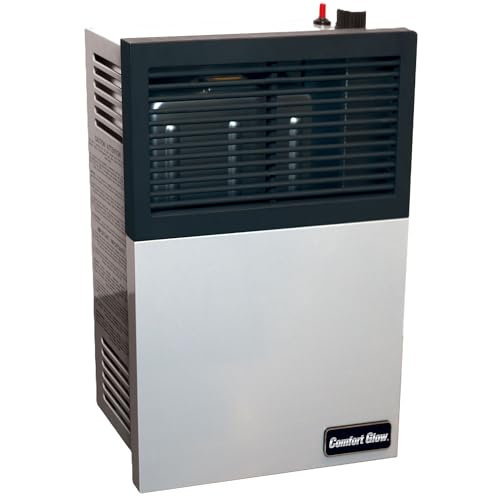


Top Vented Propane Heaters for Indoor Comfort
Ashley Hearth Direct Vent Liquid Propane Wall Heater
- BTU Output11,000 BTU
- Heating AreaUp to 375 sq. ft.
- Size (L x W x H)17.36 x 6.61 x 20.00 inches
- Safety FeaturesSafety pilot with pressure regulator, sealed burn system
- Fuel TypeLiquid propane only
- Sealed burn system with safety pilot and pressure regulator
- Quiet stainless steel ported burner
- Complete venting kit included for easy installation
- Approved for mobile and modular homes
- Limited to liquid propane only
- Heats up to 375 sq. ft., not suitable for larger rooms
Comfort Glow 25,000 BTU Direct Vent Propane Wall Heater
- BTU Output25,000 BTU
- Heating AreaUp to 750 sq. ft.
- Size (H x W x D)26.5 x 32.25 x 8.75 inches
- Safety FeaturesSealed burn system, electronic ignition, safety pilot
- Fuel TypeLiquid propane
- Heats up to 750 sq. ft. with thermostat control
- Sealed burn system with electronic ignition
- Operates without electricity
- Approved for bedrooms and modular homes
- Larger size may not suit small rooms
- No built-in fan for quicker heat distribution
Comfort Glow 11,000 BTU Direct Vent Propane Wall Heater
- BTU Output11,000 BTU
- Heating AreaUp to 350 sq. ft.
- Size (H x W x D)20 x 17 x 7 inches
- Safety FeaturesSealed burn system, electronic ignition, safety pilot
- Fuel TypeLiquid propane
- Thermostatic control for consistent temperature
- Sealed burn system with safety pilot
- No electricity required
- Quiet 430 stainless steel burner
- Lower BTU output limits heating area
- No remote control or advanced features
BILT HARD Vent Free Blue Flame Propane Heater
- BTU Output30,000 BTU
- Heating AreaUp to 1,400 sq. ft.
- Size—
- Safety FeaturesOxygen depletion sensor, thermostat control
- Fuel TypeLiquid propane
- High 30,000 BTU output for large areas
- Oxygen depletion sensor for safety
- No electricity needed
- Three thermostat heat settings
- Vent-free design requires careful ventilation
- May not be suitable for bedrooms due to vent-free emissions
Comfort Glow 8,000 BTU Direct Vent Propane Wall Heater
- BTU Output8,000 BTU
- Heating AreaUp to 250 sq. ft.
- Size (H x W x D)29.5 x 16.75 x 9.8 inches
- Safety FeaturesSealed burn system, piezo ignition, safety pilot
- Fuel TypeLiquid propane
- Compact size for small rooms
- Safety pilot with pressure regulator
- No electricity required
- Quiet stainless steel burner
- Limited to 250 sq. ft. coverage
- Manual heat control only
How to Choose the Right Vented Propane Heater
Vented propane heaters are safer for indoor use than ventless models because they exhaust combustion gases outside. This makes them a better choice for bedrooms, offices, and other enclosed spaces where air quality matters. Propane equipment must be vented indoors to prevent buildup of carbon monoxide and moisture.
BTU output determines the size of the area a heater can warm. One BTU is the energy needed to raise one pound of water by 1°F. A heater rated at 10,000 to 15,000 BTU heats roughly 300 to 600 square feet. Higher BTUs cover larger spaces but consume more fuel.
| BTU Output | Approximate Heating Area (sq ft) |
|---|---|
| 7,000 to 11,000 | 200 to 400 |
| 12,000 to 20,000 | 400 to 700 |
| 21,000 to 30,000 | 700 to 1,200 |
Safety features are essential. Look for oxygen depletion sensors (ODS) that shut off the heater if oxygen levels drop. Automatic shut-off switches activate if the unit overheats or the flame goes out. These features reduce the risk of fire and carbon monoxide poisoning.
Installation requires a vent to the outdoors, which can be a direct vent pipe or chimney connection. Measure your available wall or floor space carefully and check the heater’s dimensions. Some models need professional installation to meet local codes and ensure safe operation.
Understanding Heat Output and Running Costs
BTU ratings indicate a heater’s heat output and help match it to your room size. For example, a 15,000 BTU heater suits a 400 to 600 square foot space, while a 25,000 BTU unit handles up to 1,000 square feet. Choosing the right size avoids wasting fuel or leaving rooms underheated.
Efficiency ratings show how much fuel converts to heat. Direct vent heaters often reach 80% to 90% efficiency, meaning most propane energy warms your space, not lost up the vent. Higher efficiency lowers fuel consumption and running costs.
To estimate running costs, convert BTUs to propane usage. One gallon of propane contains about 91,500 BTUs. Divide your heater’s BTU rating by 91,500 to find gallons used per hour at full power. Multiply by your local propane price and hours of use.
| Appliance | Watts | Per hour | Per day (8 h) | Per month (30 days) |
|---|---|---|---|---|
| 15,000 BTU heater | 4,399 W | $4.40 | $35.19 | $1,055.76 |
| 25,000 BTU heater | 7,331 W | $7.33 | $58.65 | $1,759.44 |
Choose an indoor-rated vented propane heater, not an outdoor model. Indoor-rated units have sealed combustion chambers and direct venting that prevent fumes from entering your home. They maximize safety and efficiency for indoor environments.
The Ashley Hearth Direct Vent Liquid Propane Wall Heater is among the most efficient vented propane heaters available, with features that optimize fuel use and safety. It suits bedrooms and small offices where clean indoor heat is critical.
For more options on vented gas heaters, see our guide to the best vented gas wall heaters.
Safety and Certification for Indoor Use
Vented propane heaters are safe for indoor use when they include essential safety features and proper certification. Unlike ventless models, vented heaters exhaust combustion gases outdoors, reducing indoor air pollution and carbon monoxide risks.
Key safety features include automatic shut-off systems that stop the heater if it tips over or overheats. Oxygen depletion sensors (ODS) are critical; they detect low oxygen levels and shut the heater down to prevent dangerous conditions.
| Feature | Purpose |
|---|---|
| Automatic shut-off | Prevents fire or damage if the heater tips or overheats |
| Oxygen depletion sensor (ODS) | Shuts off heater if oxygen levels drop too low |
| UL, ETL or CSA certification | Confirms compliance with indoor safety standards |
| Direct venting system | Channels combustion gases outside the home |
Certifications from UL, ETL or CSA confirm the heater meets strict indoor use safety and emissions standards. These certifications ensure the heater handles propane combustion safely and vents exhaust properly.
A common misconception is that vented propane heaters require no safety features because they vent outside. In reality, safety sensors and automatic shut-offs are still vital to protect against malfunctions or installation errors.
Vented propane heaters exhaust combustion gases outside, reducing indoor pollutants. Ventless heaters burn fuel inside the room and rely on safety sensors to control air quality. This can pose risks if sensors fail or ventilation is insufficient.
Common Misunderstandings About Vented Propane Heaters
The main difference between vented and ventless propane heaters is how they handle combustion gases. Vented heaters exhaust gases outdoors, improving indoor air quality. Ventless heaters release combustion byproducts directly into the room, which can increase moisture and pollutants.
Vented propane heaters are safe for indoor use when installed according to the manufacturer’s instructions. Their direct venting system prevents carbon monoxide buildup, making them a safer choice for occupied spaces.
| Myth | Fact |
|---|---|
| Vented propane heaters waste heat by venting it outside | Vented heaters use sealed combustion and heat exchangers to transfer most heat indoors |
| Installation is simple and requires no venting | Vented heaters need professional installation for proper venting through walls or ceilings |
| Vented heaters are less efficient than ventless | Vented models are often more efficient in well-insulated rooms due to balanced combustion and exhaust management |
Installation of vented propane heaters is more involved than ventless units. They require a vent pipe through an exterior wall or roof to safely expel combustion gases. This may need a licensed installer to ensure code compliance and proper sealing.
Vented propane heaters perform efficiently in various settings. They provide steady, clean heat without adding moisture or indoor pollutants. This makes them well suited for bedrooms, offices and living rooms where air quality matters.
Frequently Asked Questions
What is the difference between vented and ventless propane heaters?
Are vented propane heaters safe for indoor use?
How do I calculate the running cost of a propane heater?
What size vented propane heater do I need for my room?
Can I install a vented propane heater myself?
What safety features should I look for in a vented propane heater?
For the detail, see our notes on comparison of gas heater types.
Readers in this position usually ask about efficient room heating solutions as well.