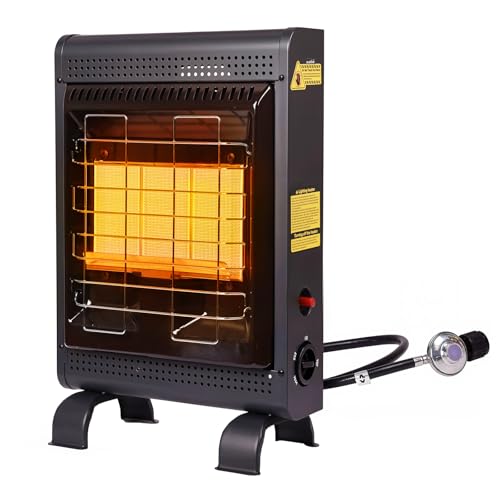
As winter approaches, keeping your home warm is essential. Propane heaters provide a powerful solution for whole-house heating, especially in areas without reliable access to electricity.
Choosing the right propane heater can be overwhelming, but understanding your needs and the specific features of each model will help you find the perfect fit.
Comparison of Propane Heaters for Whole-House Use
| Product | Best for | BTU Output | Heating Area | Fuel Type | Safety Features | Price |
|---|---|---|---|---|---|---|
| Mr. Heater Big Buddy PRO Series 18,000 BTU | Best Overall | 4,000 / 9,000 / 18,000 | Up to 450 sq ft | Propane | Built-in fan, dual heat system, safety warnings | Check price |
| Mr. Heater Portable Buddy Radiant 9,000 BTU | Best Portable | 4,000 / 9,000 | Up to 225 sq ft | Propane | Emergency low oxygen shut-off | Check price |
| Mr. Heater Tank Top Radiant 45,000 BTU Heater | Best Outdoor | 30,000 / 36,000 / 45,000 | — | Propane | Tip-over shut-off switch | Check price |
| VEVOR Indoor Tankless Propane Water Heater 100,000 BTU | Best Indoor Hot Water | 100,000 | — | Propane | Leakage, flameout, overheating protections | Check price |
| VEVOR Outdoor Tankless Propane Water Heater 120,000 BTU | Best Outdoor Hot Water | 120,000 | — | Propane | Leakage, flameout, overheating protections | Check price |


Top Picks for Whole-House Propane Heaters
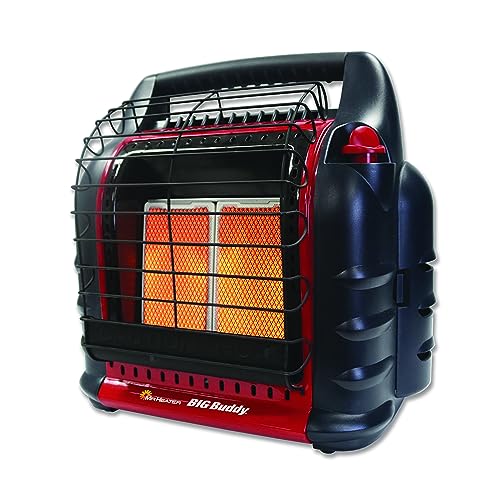
Mr. Heater Big Buddy PRO Series 18,000 BTU
- BTU Output4,000 / 9,000 / 18,000
- Heating AreaUp to 450 sq ft
- Fuel TypePropane
- Run TimeUp to 216 hours on low with two 20 lb tanks
- Heat SettingsLow, Medium, High
- Heats up to 450 square feet
- Multiple heat settings for flexibility
- Long run time on two propane tanks
- Dual heating system for comfort
- Unauthorized accessories void warranty
- Requires optional hose for extended run time
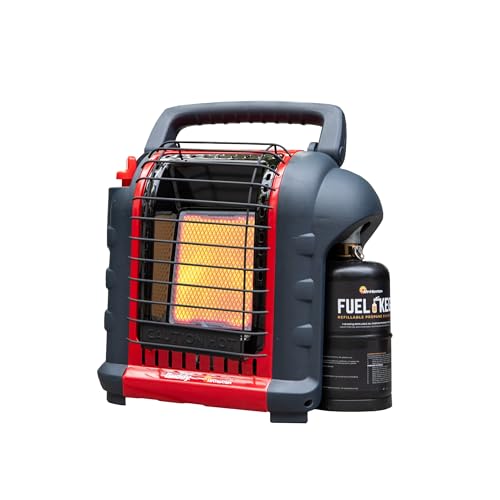
Mr. Heater Portable Buddy Radiant 9,000 BTU
- BTU Output4,000 / 9,000
- Heating AreaUp to 225 sq ft
- Fuel TypePropane
- Run Time5.4 hours on low with 1 lb cylinder
- Heat SettingsLow, High
- Indoor/outdoor approved
- Emergency low oxygen shut-off
- Lightweight and portable
- Two heat settings
- Short run time on small propane cylinders
- Heats smaller areas only
Mr. Heater Tank Top Radiant 45,000 BTU Heater
- BTU Output30,000 / 36,000 / 45,000
- Heating Area—
- Fuel TypePropane
- Run TimeApprox. 9.5 hours on high with 20 lb tank
- Heat SettingsHigh, Medium, Low
- Very high heat output
- Easy to mount on propane tank
- Tip-over safety shut-off
- Portable for outdoor use
- Not approved for indoor use
- Heats outdoor areas only
VEVOR Indoor Tankless Propane Water Heater 100,000 BTU
- BTU Output100,000
- Heating Area—
- Fuel TypePropane
- Capacity4.3 gallons
- InstallationIndoor with vent outlet
- Instant hot water supply
- Precise temperature control
- Multiple safety features
- Easy indoor installation
- Not a space heater
- Requires venting and professional installation
VEVOR Outdoor Tankless Propane Water Heater 120,000 BTU
- BTU Output120,000
- Heating Area—
- Fuel TypePropane
- Capacity5.3 gallons
- InstallationOutdoor with vent outlet
- High BTU output for large demand
- Remote temperature control
- Multiple safety features
- Designed for outdoor installation
- Not for indoor heating
- Requires venting and professional setup
How to Choose the Right Propane Heater
Propane heaters offer a reliable way to warm your home without relying on electricity. They deliver high heat output and work well during power outages. Propane burns cleanly, producing mostly water vapor and carbon dioxide, but ventilation matters.
The key to choosing the right propane heater starts with BTU ratings. BTU stands for British Thermal Unit and measures heat output. A higher BTU rating means the heater can warm a larger area or heat faster. Typical home propane heaters range from 9,000 to 45,000 BTU.
Consider the size and insulation of the space you want to heat. Well-insulated rooms need fewer BTUs per square foot. Poorly insulated or drafty spaces require more heat to maintain comfort. Calculate the area in square feet and check the insulation quality before picking a heater.
Propane heaters come in vented and ventless models. Vented heaters exhaust combustion gases outside through a vent or chimney. This keeps indoor air cleaner but requires installation space and a venting system. Ventless heaters release combustion products directly into the room but include safety features to limit carbon monoxide buildup.
For whole-house heating, vented propane heaters are safer and more suitable because they maintain indoor air quality. Ventless models work well for smaller, well-ventilated areas or supplemental heat. The choice depends on your home’s ventilation and where you plan to use the heater.
| BTU Output | Approximate Room Size (sq ft) |
|---|---|
| 9,000 | 200-300 |
| 18,000 | 400-600 |
| 30,000 | 700-1,000 |
| 45,000 | 1,200-1,500 |
Sizing and Heat Output for Effective Heating
Sizing a propane heater correctly ensures efficient heating without wasting fuel. The first step is calculating the required BTU output based on your room’s square footage. A general rule is 20 to 30 BTU per square foot for average insulation and climate.
For example, a 500-square-foot room needs between 10,000 and 15,000 BTU. If your space has poor insulation or is in a cold climate, increase the BTU rating by 20 to 30 percent. Well-insulated or milder climate rooms need fewer BTUs.
Small propane heaters typically range from 4,000 to 10,000 BTU. They are suitable for supplemental heat in small rooms or spot heating. These models often run on 1-pound disposable propane cylinders or small refillable tanks.
Heating a whole house with propane requires a larger, vented heater or multiple units. The total BTU output must cover the entire living space, factoring in insulation, ceiling height, and climate. Consult a professional if you plan to heat over 1,500 square feet to ensure proper sizing and ventilation.
Propane tank size matters too. Portable heaters use small cylinders, but whole-house systems rely on 20-pound or larger tanks. Larger tanks reduce refill frequency and support continuous operation for extended periods.
| Appliance | Watts | Per hour | Per day (8 h) | Per month (30 days) |
|---|---|---|---|---|
| 1,500 W Electric Heater Equivalent | 1,500 W | 26¢ | $2.04 | $61.20 |
| 18,000 BTU Propane Heater (approx. 5.3 kW) | 5,300 W | 90¢ | $7.21 | $216.24 |
Understanding Propane Heater Safety and Certification
Residential propane heaters must include key safety features to prevent accidents and ensure safe indoor use. The most critical are the oxygen depletion sensor (ODS) and tip-over switch. The ODS shuts off the heater if oxygen falls below safe levels, avoiding carbon monoxide buildup. The tip-over switch cuts power if the heater falls, reducing fire risk.
Use propane heaters indoors only if the manual states they are rated for indoor use. Always run a working carbon monoxide alarm nearby and provide ventilation as the heater’s instructions require. Certification marks like UL, ETL or CSA indicate the model meets safety standards for combustion and emissions but do not replace ventilation and CO detection.
Vented propane heaters are generally safe for indoor use because they exhaust combustion gases outside. They require proper installation and venting to prevent carbon monoxide hazards. Never use outdoor or construction-style propane heaters indoors without ventilation.
Improper ventilation is the main hazard with propane heaters indoors. Without enough fresh air, carbon monoxide can build up quickly. Always follow the manufacturer’s ventilation instructions and install a working carbon monoxide detector in the room.
Cost of Operating Propane Heaters
Vented propane heaters exhaust combustion gases outdoors, while unvented models release heat and combustion byproducts directly into the room. Unvented heaters are typically more efficient at turning fuel into heat indoors but require careful ventilation to avoid indoor air quality issues.
To estimate operating cost, convert BTU output to kilowatt-hours (1 kWh = 3,412 BTU) and multiply by the price per unit of propane. For example, a 18,000 BTU heater uses about 5.27 kWh per hour. Multiply by hours used and fuel cost to get monthly expenses.
Vented heaters tend to lose some heat through exhaust, lowering efficiency to around 70-80%. Unvented heaters can reach near 100% efficiency since all combustion heat stays inside. However, the ventilation requirement can add indirect costs.
To reduce costs, maintain your heater regularly to ensure efficient combustion. Use a programmable thermostat or timer to avoid overheating empty spaces. Seal drafts and insulate rooms to retain heat longer.
Benefits of Ventless vs. Vented Propane Heaters
Ventless propane heaters can be used indoors but only with proper ventilation and a carbon monoxide alarm, as they release combustion gases directly into the room. They do not need a chimney or vent pipe, which can simplify installation in spaces without existing venting, but safety precautions are essential.
The main safety concern with ventless heaters is that combustion byproducts, including water vapor and small amounts of carbon monoxide, enter the living space. This requires proper room size, good ventilation, and a working carbon monoxide alarm to prevent dangerous buildup. Models designed for indoor use have safety features such as oxygen depletion sensors that shut off the heater if oxygen levels drop too low.
Vented propane heaters exhaust combustion gases outside, which eliminates indoor air quality concerns. They are preferred in tightly sealed homes or where ventilation is limited. These heaters can be less efficient because some heat escapes through the vent, but they maintain safer indoor air by removing moisture and pollutants.
Choose ventless heaters for rooms where vent installation is impractical and you can maintain good airflow. They excel in garages, workshops, or older homes with drafty windows. Opt for vented heaters in bedrooms, whole-house heating, or sealed modern homes to ensure air quality and reduce moisture buildup.
For safe ventless indoor heating, look for models listed for indoor use with oxygen depletion sensors and follow the manufacturer’s instructions for room size and ventilation. The Mr. Heater 18,000 BTU Big Buddy PRO Series Heater is an example of a ventless model designed for indoor use with multiple safety features.
For safe indoor use of propane heaters, only models with proper venting that exhaust combustion gases outside are recommended. Check our best vented propane heaters guide for these options. Ventless propane heaters have specific safety requirements and must be used with ventilation and a carbon monoxide alarm; see our guide on ventless propane heaters that warm indoors safely for details.
Frequently Asked Questions
What are the primary advantages of a propane heater for home use?
What distinguishes a vented from an unvented propane heater?
Which safety features are imperative in a residential propane heater?
What are the typical BTU requirements for heating different room sizes?
Can propane heaters be used indoors safely?
How do I calculate the operating costs of a propane heater?
We cover reliable indoor heating options in its own guide.
Readers in this position usually ask about choosing a diesel heater as well.