Choosing the right propane heater can make your garage or workshop much warmer in cold weather. A good heater keeps your workspace comfortable and helps you get more done.
In this roundup, we’ve selected the top propane heaters that balance heating power, efficiency, and safety features to help you make an informed choice.
Comparison of Top Propane Heaters
| Product | Best for | BTU Output | Heating Area | Fuel Type | Safety Features | Price |
|---|---|---|---|---|---|---|
| Mr. Heater 50,000 BTU Forced-Air Unit Heater | Best Overall | 50,000 | 1,667 sq ft | Propane or Natural Gas | High temp shut-off, flame sensor | Check price |
| Mr. Heater 80,000 BTU Forced-Air Unit Heater | Best for Larger Spaces | 80,000 | 2,667 sq ft | Propane or Natural Gas | High temp shut-off, flame sensor | Check price |
| Mr Heater 125,000 BTU Portable Forced Air Propane Heater | Best Portable | 125,000 | 3,125 sq ft | Propane | — | Check price |
| GASLAND Flame Jet 125,000 BTU Propane Forced Air Heater | Best Adjustable Output | 75,000-125,000 | 3,100 sq ft | Propane | CSA certified, overheat detection, flame shut-off | Check price |
| Mr. Heater Original 540-Degree 45,000 BTU Radiant Heater | Best Radiant Heater | 45,000-30,000 | — | Propane | Tip-over shut-off | Check price |



Top Propane Heaters for Your Garage and Workshop
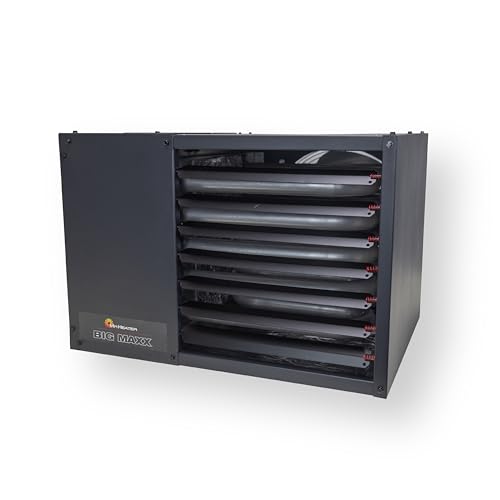
Mr. Heater 50,000 BTU Forced-Air Unit Heater
- BTU Output50,000
- Heating Area1,667 sq ft
- Fuel TypePropane or Natural Gas
- Safety FeaturesHigh temp shut-off, flame sensor
- Efficiently heats large spaces
- Compatible with Wi-Fi thermostats
- Includes multiple safety shut-offs
- Low profile design saves space
- Requires minimum 10 ft ceiling height
- Needs 8 ft clearance from floor
Mr. Heater 80,000 BTU Forced-Air Unit Heater
- BTU Output80,000
- Heating Area2,667 sq ft
- Fuel TypePropane or Natural Gas
- Safety FeaturesHigh temp shut-off, flame sensor
- Higher BTU for bigger garages
- Thermostat compatible
- Safe with multiple shut-offs
- Space-saving low profile
- Requires high ceiling clearance
- Color may vary
Mr Heater 125,000 BTU Portable Forced Air Propane Heater
- BTU Output125,000
- Heating Area3,125 sq ft
- Fuel TypePropane
- Safety Features—
- High BTU output for large areas
- Portable with hose and regulator included
- Quiet burner technology
- Good for construction and workshops
- Requires well-ventilated areas
- No thermostat compatibility
GASLAND Flame Jet 125,000 BTU Propane Forced Air Heater
- BTU Output75,000-125,000
- Heating Area3,100 sq ft
- Fuel TypePropane
- Safety FeaturesCSA certified, overheat detection, flame shut-off
- Variable heat output for precise control
- CSA certified with multiple safety features
- Durable steel build
- Portable with hose and regulator
- Shorter run time on high
- No thermostat compatibility
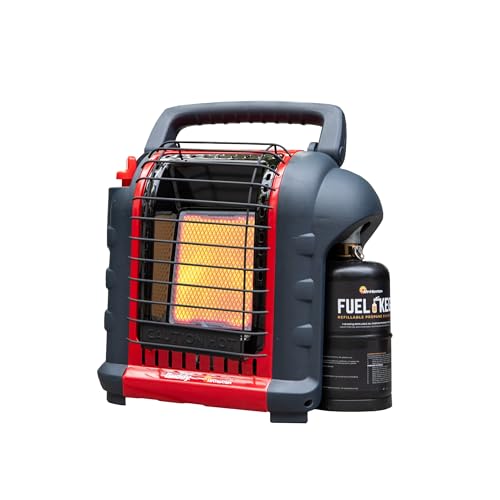
Mr. Heater Original 540-Degree 45,000 BTU Radiant Heater
- BTU Output45,000-30,000
- Heating Area—
- Fuel TypePropane
- Safety FeaturesTip-over shut-off
- Portable and mounts on propane tank
- Multiple heat settings
- Long runtime on a single tank
- Tip-over safety shut-off
- Not for indoor use
- Lower BTU output than forced air models
How to Choose the Right Propane Heater
Match the heater’s BTU output to your space. A 400-square-foot garage needs roughly 20,000 BTU; an 800-square-foot workshop needs 40,000 BTU or more. Too little and the air stays cold. Too much and you burn through propane without gaining comfort.
Forced-air heaters with fans heat the whole space faster. Radiant heaters warm objects and people directly, which works well in drafty garages where you stay in one spot. Small propane heaters between 10,000 and 20,000 BTU suit compact workspaces or intermittent use. Large workshops benefit from 50,000 BTU units that handle high ceilings and open bays.
Vented vs. Ventless Models
Vented heaters vent combustion gases outdoors through a pipe, eliminating indoor carbon monoxide buildup. Vented propane heaters require installation but offer the cleanest indoor heat. Ventless propane heaters need no flue but consume indoor oxygen and release moisture; use them only in spaces with adequate ventilation and a working CO alarm.
- Measure your spaceCalculate square footage and note ceiling height. A 20 x 20 foot garage with a 10-foot ceiling is 400 square feet but holds more air than an 8-foot space, so factor in volume for accurate BTU sizing.
- Check the indoor ratingConfirm the model is rated for indoor use. Outdoor construction heaters lack oxygen-depletion sensors and overheat-protection, making them unsafe in enclosed garages.
- Look for tip-over and overheat shut-offThese features cut fuel flow if the heater falls or overheats, preventing fires and carbon monoxide leaks.
- Decide on thermostat compatibilityHeaters that accept a thermostat let you set a target temperature and stop burning fuel once the space is warm, lowering propane costs during long work sessions.
The Mr. Heater 50,000 BTU Forced-Air Unit Heater delivers strong output for large workshops and supports thermostat control. For smaller garages or weekend projects, a 10,000 to 20,000 BTU portable model heats efficiently without burning excess fuel.
Understanding BTU Output and Heating Capacity
BTU stands for British Thermal Unit, a measure of heat energy. One BTU raises the temperature of one pound of water by one degree Fahrenheit. In heaters, BTU indicates how much heat the unit can produce per hour.
To select the right propane heater, match the BTU output to your garage or workshop size. A general rule is about 20 to 30 BTU per square foot for a space with average insulation and an 8-foot ceiling.
For example, a 500-square-foot garage needs a heater with 10,000 to 15,000 BTU output. Larger workshops of 1,500 square feet require 30,000 to 45,000 BTU to maintain comfortable temperatures.
| Appliance | Watts | Per hour | Per day (8 h) | Per month (30 days) |
|---|---|---|---|---|
| 10,000 BTU heater | 2,930 W | 50¢ | $3.98 | $119.54 |
Vented propane heaters remove combustion gases outside, making them safer for indoor use. They are the best choice for garages and workshops where ventilation is available.
Martin propane heaters are known for reliable performance and solid build quality. They typically offer a range of BTU outputs suitable for different garage sizes.
Safety Features to Look for in Propane Heaters
Use propane heaters indoors only if the model is rated for indoor use, with proper ventilation and a working carbon monoxide alarm. Most propane heaters include safety shut-offs that stop fuel flow if the unit tips or overheats. These features reduce fire risk in garages and workshops with clutter and tools.
Ventless propane heaters are designed to burn fuel without a chimney or vent pipe. They can warm indoor spaces safely only if the room has adequate ventilation and a working carbon monoxide (CO) alarm. Without these, ventless models risk dangerous CO buildup, which is colorless and odorless.
For safe operation, always follow the manufacturer’s instructions on ventilation. Keep at least three feet of clearance around the heater and never block air intakes or outlets. Use propane heaters only in spaces with fresh air circulation, and never run them unattended or while sleeping unless the model is certified for such use.
Regular maintenance is essential. Check hoses and connections for leaks before each use. Replace damaged parts immediately and store propane tanks outdoors in a well-ventilated area. A working CO alarm is not optional; install one near the heater and test it monthly.
Skip ventless heaters if your garage or workshop cannot maintain ventilation. Instead, choose vented models or those designed for outdoor or semi-enclosed spaces. For more on ventless models that warm indoors safely, see our dedicated guide.
Cost Considerations for Running Propane Heaters
Running costs depend on the heater’s BTU output and local propane prices. Propane contains about 91,500 BTUs per gallon. To estimate fuel consumption, divide the heater’s hourly BTU use by 91,500, then multiply by the cost per gallon.
For example, a 50,000 BTU heater runs about 0.55 gallons per hour (50,000 ÷ 91,500). At $3.50 per gallon, it costs about $1.93 per hour to run. Multiply by hours used daily and days per month for monthly cost. Larger heaters like the 125,000 BTU model consume more fuel and cost more to operate.
| Heater Model | BTU Output | Estimated Hourly Fuel Use (gallons) | Hourly Cost at $3.50/gal |
|---|---|---|---|
| Mr. Heater 50,000 BTU Forced-Air | 50,000 | 0.55 | |
| Mr. Heater 125,000 BTU Forced-Air | 125,000 | 1.37 | |
| Mr. Heater 45,000 BTU Radiant | 45,000 | 0.49 |
Fuel consumption varies with heater settings, insulation, and outdoor temperature. Running a heater at full power uses more propane but warms the space faster. Lower settings reduce fuel use but extend run time. Good insulation and draft-proofing reduce overall heating needs.
If you want to heat your whole house with propane, choose models rated for large spaces and consider integrating thermostats for precise control. Our guide to the best propane heaters for whole-house heating offers detailed options and cost considerations.
Benefits of Forced-Air vs. Radiant Propane Heaters
Forced-air heaters blow heated air through a fan, raising the temperature of the entire space. Radiant heaters emit infrared waves that warm objects, tools and people directly without heating the air in between. The difference matters because each type solves a different problem.
Buy forced-air for workshops larger than 400 square feet or garages where you move around. Models like the Mr. Heater 50,000 BTU Forced-Air Unit Heater distribute heat evenly and work with a thermostat to hold a set temperature. They heat the whole room in fifteen to twenty minutes, so every corner is usable. The trade-off: they burn more propane because they heat air, not just you.
Buy radiant for spot heating or small workshops under 300 square feet. A radiant heater like the Mr. Heater Original 540-Degree 45,000 BTU Tank Top Radiant warms you and the workbench in front of it within seconds, wasting no fuel on empty air. Radiant heat feels warmer at lower BTU because the energy hits your skin and clothes directly. The downside: step six feet away and the warmth drops off fast.
Radiant heaters beat forced-air in drafty garages with gaps around the door. Infrared heat travels in a straight line and is not carried away by moving air. Forced-air heaters win in insulated workshops where you need even warmth for paint curing, glue drying or multiple people working in different zones.
Both types need ventilation and a working carbon monoxide alarm. Vented models vent combustion gases outdoors through a flue; ventless propane heaters that warm indoors safely rely on room air for combustion and must follow the manufacturer’s ventilation and square-footage limits exactly. Vented propane heaters cost more to install but carry less CO risk in tightly sealed spaces.
Choose radiant for quick, focused warmth in a small bay or single-task area. Choose forced-air for heating a large garage evenly or maintaining a steady temperature all day. For compact models that move between job sites, see our guide to best small propane heaters for portable heat.
Frequently Asked Questions
What size propane heater do I need for my garage?
Are propane heaters safe for indoor use?
How do I calculate the running cost of a propane heater?
What is the difference between forced-air and radiant propane heaters?
Can I use a propane heater in a well-ventilated area?
What maintenance is required for propane heaters?
We cover reliable indoor heating options in its own guide.
There is more on efficient indoor propane heating in a guide of its own.