Indoor wall propane heaters are popular for their efficiency and ability to provide reliable warmth during colder months. With various options available, it’s essential to choose a model that suits your specific needs.
Comparison of Top Indoor Wall Propane Heaters
| Product | Best for | BTU Output | Heating Area | Vent Type | Safety Features | Price |
|---|---|---|---|---|---|---|
| Mr. Heater 30,000 BTU Vent Free Blue Flame Heater | Best Overall | 30,000 | 1,000 sq ft | Vent-Free | — | Check price |
| BILT HARD 30,000 BTU Vent Free Blue Flame Heater | Best for Large Rooms | 30,000 | 1,400 sq ft | Vent-Free | Oxygen Depletion Sensor | Check price |
| JEWUNO 30,000 BTU Dual Fuel Vent-Free Wall Heater | Best Dual Fuel | 30,000 | 1,000 sq ft | Vent-Free | Oxygen Depletion Sensor, Auto Shut-Off | Check price |
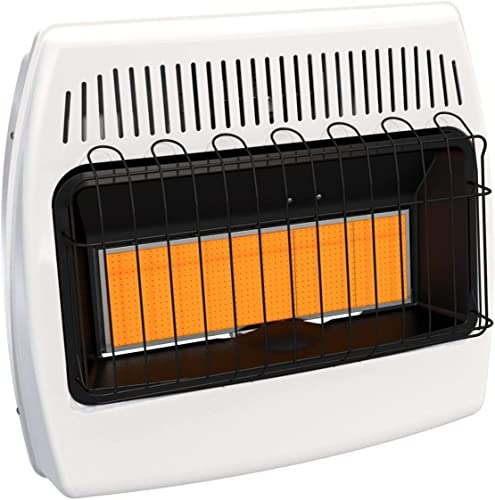
| ProCom 25,000 BTU Ventless Infrared Plaque Heater | Best Compact Infrared | 25,000 | 1,150 sq ft | Ventless | Oxygen Depletion Sensor | Check price |
| ProCom 10,000 BTU Ventless Blue Flame Heater | Best Small Room | 10,000 | 500 sq ft | Ventless | Oxygen Depletion Sensor | Check price |




Top Indoor Wall Propane Heaters
Mr. Heater 30,000 BTU Vent Free Blue Flame Heater
- BTU Output30,000
- Heating Area1,000 sq ft
- VentingVent-Free
- IgnitionBattery operated electronic ignition
- ThermostatBuilt-in adjustable thermostat
- High 30,000 BTU heat output
- Battery operated ignition included
- No electricity or venting needed
- Adjustable thermostat for comfort
- Requires AAA battery replacement
- No oxygen depletion sensor mentioned
BILT HARD 30,000 BTU Vent Free Blue Flame Heater
- BTU Output30,000
- Heating Area1,400 sq ft
- VentingVent-Free
- Safety FeaturesOxygen Depletion Sensor
- ThermostatHigh/Medium/Low settings
- Heats up to 1,400 sq ft
- Oxygen depletion sensor included
- Thermostatic control with multiple settings
- Vent-free with 99.9% efficiency
- Piezo ignition requires manual lighting
- Larger size may not suit small rooms
JEWUNO 30,000 BTU Dual Fuel Vent-Free Wall Heater
- BTU Output30,000
- Heating Area1,000 sq ft
- Fuel TypePropane or Natural Gas
- Safety FeaturesOxygen depletion sensor, auto shut-off
- Efficiency99.9%
- Dual fuel: propane or natural gas
- Infrared heating for efficient warmth
- Oxygen depletion sensor and auto shut-off
- No electricity or venting required
- Not available in CA, AK, HI
- Infrared heat may feel different than blue flame
ProCom 25,000 BTU Ventless Infrared Plaque Heater
- BTU Output25,000
- Heating Area1,150 sq ft
- VentingVentless
- Safety FeaturesOxygen depletion sensor
- ThermostatHigh/Medium/Low control
- Compact and stylish design
- Adjustable thermostat settings
- Oxygen depletion sensor and ANSI certified
- Wall mount or floor placement options
- Infrared heat may not suit all preferences
- No built-in battery ignition
ProCom 10,000 BTU Ventless Blue Flame Heater
- BTU Output10,000
- Heating Area500 sq ft
- VentingVentless
- Safety FeaturesOxygen depletion sensor
- ThermostatHigh/Medium/Low settings
- Compact size for small rooms
- Blue flame heating for natural warmth
- Oxygen depletion sensor included
- Multiple thermostat settings
- Low BTU limits heating area
- No electronic ignition included
Choosing the Right Indoor Wall Propane Heater
Indoor wall propane heaters come in vented and ventless designs. Ventless models release combustion gases directly into the room, so they must have oxygen depletion sensors and automatic shut-off features to prevent unsafe air conditions. Vented heaters use a sealed exhaust pipe to the outside, making them safer for indoor use without affecting indoor air quality.
Choose ventless propane heaters only if your space has good ventilation and you install an oxygen depletion sensor. They add moisture to the air, which can cause dampness indoors. Vented heaters avoid this but require a proper flue or vent pipe, which limits where you can install them.
| Feature | Vented | Ventless |
|---|---|---|
| Exhaust | Outside via vent pipe | Into the room |
| Safety | No oxygen sensor needed | Must have oxygen depletion sensor |
| Moisture Production | No | Yes, adds water vapor |
| Installation | Requires venting | Easier installation |
| Indoor Air Quality | Unaffected | Can reduce oxygen levels |
Sizing and Heat Output of Propane Heaters
Choose a propane heater sized to match your room’s heat loss, measured in BTUs. A general rule is 20 to 30 BTU per square foot for a well-insulated space. Larger rooms or poorly insulated areas need more heat.
Heat output depends on insulation quality, ceiling height, and room layout. Open floor plans require more BTU to maintain temperature than smaller, enclosed rooms. Cold drafts or unsealed windows increase the heat demand.
Calculate your heater size by multiplying the room’s square footage by the BTU rate per square foot. For example, a 500 sq ft room with average insulation needs about 10,000 to 15,000 BTU.
Use vented propane heaters indoors only if the model is explicitly rated for indoor use and installed according to local codes. Improper venting can cause carbon monoxide buildup.
Northern Tool vented propane heaters are often designed for outdoor or well-ventilated spaces. Using them indoors without proper venting risks dangerous fumes and is not safe.
| Appliance | Watts | Per hour | Per day (8 h) | Per month (30 days) |
|---|---|---|---|---|
| 10,000 BTU propane heater | 2,930 W | 50¢ | $3.98 | $119.54 |
| 15,000 BTU propane heater | 4,395 W | 75¢ | $5.98 | $179.32 |
Safety and Certification for Indoor Propane Heaters
Oxygen Depletion Sensors (ODS) are crucial for ventless propane heaters. They shut off the heater if oxygen levels drop, preventing carbon monoxide risks indoors.
Look for ANSI certification or similar safety standards when buying indoor propane heaters. Certified models have passed tests for safe operation and emissions.
Proper installation is essential. Follow manufacturer instructions and local codes for mounting height, clearance, and ventilation. Even ventless models need some air exchange to avoid oxygen depletion.
Ventless propane heaters with ODS and certification can warm indoors if used with ventilation and a working carbon monoxide alarm. They must never run unattended or in sealed rooms.
Consult a licensed technician for installation or if you have questions about venting. A working carbon monoxide alarm is mandatory when using any fuel-burning heater indoors.
For safe use of ventless propane heaters indoors, see ventless propane heaters that warm indoors safely, and follow all ventilation and carbon monoxide alarm guidelines.
Understanding Venting Options for Propane Heaters
Both vented and ventless propane heaters are safe for indoor use when installed and operated according to their manuals. Vented models exhaust combustion gases outdoors, reducing indoor pollutants. Ventless units burn propane efficiently enough to release only small amounts of moisture and gases into the room, making them safe if the space is well ventilated.
Vented propane heaters connect to a flue or vent pipe that directs combustion byproducts outside. This setup prevents indoor buildup of carbon monoxide and moisture. Installation is more complex and usually requires professional help and proper wall or roof venting.
Ventless heaters do not need a vent pipe, which simplifies installation and allows placement flexibility. They release small amounts of water vapor and carbon dioxide directly into the room. This can increase indoor humidity, which might cause condensation or mold in poorly ventilated spaces.
The choice between vented and ventless affects installation cost and air quality control. Vented heaters are safer in sealed or tightly insulated rooms since they remove combustion gases. Ventless heaters suit spaces with some air exchange, like basements or garages, and where quick, efficient heat is needed without venting.
Safety features like oxygen depletion sensors and automatic shutoff are critical for ventless models. For vented heaters, proper vent installation and regular inspection prevent dangerous gas buildup. Both types require a working carbon monoxide alarm in the home.
Frequently Asked Questions
Can you use a ventless propane heater indoors safely?
What type of vented propane heater should you choose for indoor use?
Are vented propane heaters safe for indoor use?
How do I calculate the running cost of a propane heater?
What is the best way to maintain a propane heater for safety?
What type of propane heater is best for large spaces?
We cover non-electric heater safety tips in its own guide.
For the detail, see our notes on propane heating stoves.