
As temperatures drop, keeping your home warm and comfortable becomes a priority. Propane heating stoves are an excellent solution for efficient and portable warmth, especially in rooms where traditional heating methods may fall short.
Propane Heating Stove Comparison
| Product | Best for | BTU Output | Heating Area | Fuel Type | Price |
|---|---|---|---|---|---|
| ProCom Propane Ventless Blue Flame Heater | Best Overall | 20,000 | 950 sq. ft. | Liquid Propane | Check price |
| Mr. Heater Big Buddy PRO 18,000 BTU Heater | Best for Medium Rooms | 18,000 | 450 sq. ft. | Propane | Check price |
| Mr. Heater MH9BX Portable Buddy Heater (2 Pack) | Best Portable Pair | — | — | Propane | Check price |


Top Propane Heating Stoves for Cozy Rooms
ProCom Propane Ventless Blue Flame Heater
- BTU Output20,000
- Heating Area950 sq. ft.
- Fuel TypeLiquid Propane
- ControlThermostat with High/Medium/Low settings
- SafetyOxygen Depletion Sensor (ODS)
- Heats large rooms up to 950 sq. ft.
- Thermostat control with multiple heat settings.
- Oxygen depletion sensor for safety.
- No electricity needed, works during outages.
- Requires wall mounting or floor placement with base, which may limit portability.
- Not designed for outdoor use.
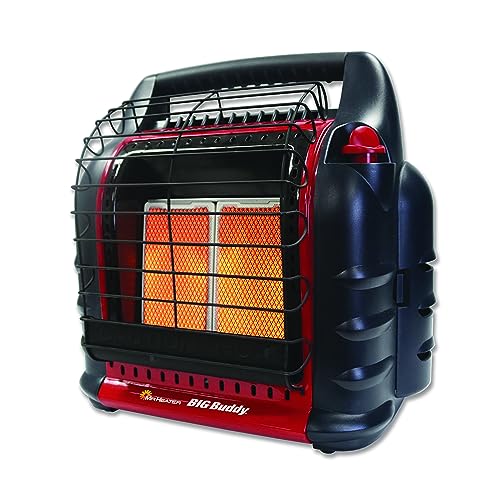
Mr. Heater Big Buddy PRO 18,000 BTU Heater
- BTU Output18,000
- Heating Area450 sq. ft.
- Fuel TypePropane
- Heat Settings4,000 / 9,000 / 18,000 BTU
- FeaturesBuilt-in high powered fan
- Multiple heat settings for customized comfort.
- Heats medium rooms up to 450 sq. ft.
- Long runtime on propane tanks.
- Built-in fan enhances heat circulation.
- Lower maximum heating area compared to larger models.
- Uses a fan which may produce noise.
Mr. Heater MH9BX Portable Buddy Heater (2 Pack)
- Heating Element TypeRadiant
- Fuel TypePropane
- Mounting TypeFloor Mount
- Room TypeDining Room, Home Office
- Comes as a two-pack for multiple rooms or larger coverage.
- Radiant heat warms directly for efficiency.
- Portable and easy to move.
- Lower BTU output, not ideal for large rooms.
- No thermostat control for precise temperature adjustment.
How to Choose the Right Propane Heating Stove
Choose a propane heating stove that matches your room size and heating needs. The key specification is the BTU output, which measures the heat the stove produces. A higher BTU rating means more heat but also higher fuel consumption.
Calculate the size of the space you want to heat in square feet. As a rule of thumb, a propane stove with 20,000 to 30,000 BTU can heat a room of about 500 to 1,000 square feet efficiently. Smaller rooms need stoves with less than 20,000 BTU to avoid overheating and wasting fuel.
Check the maximum heating area the stove covers. Manufacturers list this in their specs. Match this number to your room size for efficient heating. Oversizing wastes fuel and undersizing leaves you cold.
Ventilation requirements vary by model and local codes. Ventless stoves release combustion gases directly into the room and need a carbon monoxide alarm and proper oxygen levels. Vented stoves exhaust outside and need an installation that meets safety rules. Confirm your stove meets local regulations before buying.
| BTU Output | Approximate Room Size (sq ft) |
|---|---|
| Under 10,000 | Up to 300 |
| 10,000 to 20,000 | 300 to 600 |
| 20,000 to 30,000 | 600 to 1,000 |
| Over 30,000 | More than 1,000 |
The best propane heating systems for homes balance BTU output and fuel efficiency. Models like the ProCom Heating Liquid Propane Ventless Blue Flame Heater offer modern design and safety features that many home reviews praise for reliable warmth and low emissions. Home heating propane furnaces with good reviews typically offer adjustable BTU settings and safety shut-offs.
Understanding BTU Ratings and Heating Costs
Calculate the appropriate BTU rating by multiplying the room’s square footage by 20 to 30 BTU per square foot, depending on insulation quality. For example, a 500-square-foot room with average insulation needs about 10,000 to 15,000 BTU.
Compare propane to electric heating costs by considering fuel prices and efficiency. Propane stoves typically cost less to run than electric heaters for the same heat output because propane delivers more heat per unit of energy. However, prices for propane vary by region and season.
| Appliance | Watts | Per hour | Per day (8 h) | Per month (30 days) |
|---|---|---|---|---|
| 1,500 W electric heater | 1,500 W | 26¢ | $2.04 | $61.20 |
| Propane stove (approx. 15,000 BTU) | 4,400 W | 75¢ | $5.98 | $179.52 |
Consider long-term fuel availability and price stability. Propane requires delivery or tank refills, which may be affected by supply chain or weather. Electric heat is available where power is reliable but can be more expensive if your utility charges high rates during winter.
The most efficient propane heating system matches BTU output closely to your space and uses features like thermostats and oxygen depletion sensors to optimize fuel use and safety. Ventless models often have higher efficiency ratings since they retain all heat indoors.
For more on propane heating options and detailed comparisons, see our best propane indoor heater guide.
Safety Features to Look For in Propane Stoves
Vent-free propane stoves are safe for indoor use when they include key safety features and are installed correctly. Their design limits oxygen depletion and carbon monoxide buildup, but only if you follow the manufacturer’s instructions and maintain proper ventilation.
- Check for CertificationEnsure the stove has certification from recognized bodies like UL, CSA or ETL for indoor use. Certified models meet strict safety and emission standards.
- Look for Oxygen Depletion Sensors (ODS)ODS automatically shuts off the stove if oxygen levels drop below a safe point. This prevents dangerous carbon monoxide buildup indoors.
- Choose Automatic Shut-Off FeaturesAutomatic shut-off activates if the stove tips over or overheats. This reduces fire risk and protects your home.
- Follow Installation GuidelinesVented models require a proper chimney or vent pipe to expel combustion gases outdoors. Vent-free stoves need clearances and fresh air supply as the manual states.
The Benefits of Ventless vs. Vented Propane Stoves
Propane heating systems come mainly in ventless and vented types. Ventless stoves burn propane efficiently and release heat directly into the room without a flue. Vented stoves exhaust combustion gases outside through a chimney or vent pipe.
Ventless stoves offer installation flexibility. They don’t need a chimney, so you can place them almost anywhere with proper clearances. This makes them easier and cheaper to set up in rooms without existing vents.
Vented stoves provide better indoor air quality by removing combustion byproducts outdoors. This reduces humidity and the risk of carbon monoxide buildup, making them a better choice in tight or poorly ventilated spaces.
Frequently Asked Questions
What distinguishes a high-quality propane heating stove?
Are vent-free propane stoves safe for indoor use?
How do I calculate the appropriate BTU rating for my space?
What is the average cost of running a propane heater?
Can I use a propane stove for emergency heating?
What maintenance is required for propane heating stoves?
For the detail, see our notes on vented vs ventless gas heaters.
Readers in this position usually ask about best wall heaters as well.
