

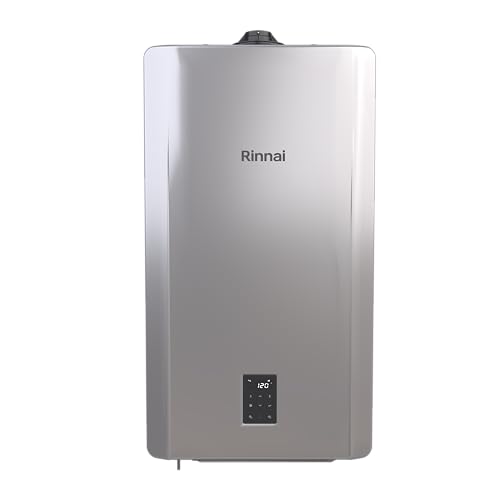
Choosing the right propane boiler for your home can be daunting, especially with so many options available. This guide simplifies your decision by highlighting the top-rated models that deliver efficiency and reliability.
Comparison of Top Propane Boilers
| Product | Best for | BTU Output | AFUE Rating | Type | Smart Features | Price |
|---|---|---|---|---|---|---|
| Rinnai IP150S I-SERIES Plus 150k BTU Solo Boiler | Best Overall | 150,000 | 96% | Solo Heat Boiler | Yes | Check price |
| Rinnai IP150199C I-SERIES Plus 150k BTU Combi Boiler | Best for Hot Water | 150,000 | 96% | Combi Heat Boiler | Yes | Check price |
| Rinnai IP175199C I-SERIES Plus 175k BTU Combi Boiler | Best for Larger Homes | 175,000 | 96% | Combi Heat Boiler | Yes | Check price |
| Rinnai IP199199C I-SERIES Plus 199k BTU Combi Boiler | Best for Maximum Output | 199,000 | 96% | Combi Heat Boiler | Yes | Check price |
| Rinnai IP090199C I-SERIES Plus 90k BTU Combi Boiler | Best Budget Combi | 90,000 | 96% | Combi Heat Boiler | Yes | Check price |
Top Propane Boilers for Efficient Home Heating
Rinnai IP150S I-SERIES Plus 150k BTU Solo Boiler
- BTU Output150,000
- AFUE Rating96%
- TypeSolo Heat Boiler
- Smart FeaturesYes
- Zone Capability4 zones
- High 96% AFUE energy efficiency
- Smart home system compatibility
- 4-zone heating for multiple rooms
- Compact and installation-friendly design
- Solo boiler does not provide hot water
- Requires product registration for full labor warranty
Rinnai IP150199C I-SERIES Plus 150k BTU Combi Boiler
- BTU Output150,000
- AFUE Rating96%
- TypeCombi Heat Boiler
- Smart FeaturesYes
- Combines home heating and hot water
- High 96% AFUE energy efficiency
- Smart Sense Gas Valve technology
- Wi-Fi control and advanced display
- Larger size may require more installation space
- Requires product registration for full labor warranty
Rinnai IP175199C I-SERIES Plus 175k BTU Combi Boiler
- BTU Output175,000
- AFUE Rating96%
- TypeCombi Heat Boiler
- Smart FeaturesYes
- Higher heat output for larger spaces
- Combined heating and hot water
- Smart Sense Gas Valve technology
- Wi-Fi control and advanced display
- May be oversized for small homes
- Requires product registration for full labor warranty
Rinnai IP199199C I-SERIES Plus 199k BTU Combi Boiler
- BTU Output199,000
- AFUE Rating96%
- TypeCombi Heat Boiler
- Smart FeaturesYes
- Highest heat output for large spaces
- Combined heating and hot water
- Smart Sense Gas Valve technology
- Wi-Fi control and advanced display
- Requires more space and fuel
- May be unnecessary for average homes
Rinnai IP090199C I-SERIES Plus 90k BTU Combi Boiler
- BTU Output90,000
- AFUE Rating96%
- TypeCombi Heat Boiler
- Smart FeaturesYes
- Compact size for smaller homes
- Combined heating and hot water
- Smart Sense Gas Valve technology
- Wi-Fi control and advanced display
- Lower heat output limits coverage area
- Requires product registration for full labor warranty
How to Choose the Right Propane Boiler
Choosing the best propane boiler for home heating starts with understanding your home’s heating needs. The key measure is the boiler’s BTU output, which must match your home’s size to provide enough heat without wasting fuel.
Calculate BTU requirements by multiplying your home’s square footage by 30 to 60 BTU per square foot, depending on insulation and climate. For example, a 2,000-square-foot home in a cold region might need 90,000 to 120,000 BTU.
| Home Size (sq ft) | BTU Range |
|---|---|
| Up to 1,000 | 30,000–60,000 |
| 1,000–2,000 | 60,000–120,000 |
| 2,000–3,000 | 90,000–180,000 |
| 3,000+ | 120,000+ |
Next, check the AFUE rating. This tells you the boiler’s efficiency in converting fuel to heat. A higher AFUE means lower fuel bills. Look for boilers with at least 85% AFUE; condensing models can reach 95% or more.
Additional features can improve convenience and control. Smart home compatibility lets you adjust settings remotely and monitor performance. Some models also support dual-fuel options or have advanced diagnostics.
- Assess Your Home SizeMeasure your heated space and note insulation quality and climate zone.
- Calculate BTU NeedsMultiply square footage by 30 to 60 BTU per square foot for a rough estimate.
- Compare AFUE RatingsChoose boilers with 85% AFUE or higher for better efficiency and savings.
- Consider FeaturesLook for smart controls, fuel flexibility, and safety features that fit your lifestyle.
Sizing and Heat Output for Propane Boilers
Sizing a propane boiler correctly ensures reliable heat and efficient fuel use. The boiler’s BTU output must match your home’s heating load, which depends on square footage and heat loss factors.
Calculate the BTU output needed by multiplying your home’s square footage by 30 to 60 BTU per square foot. Use the higher end for poorly insulated or colder areas. Oversizing wastes fuel and causes short cycling; undersizing leaves rooms cold.
Propane boilers come in two main types: solo and combi. Solo boilers provide heat only and require a separate water heater. Combi boilers combine space heating and domestic hot water in one unit, saving space and energy.
For homes replacing heating oil boilers, propane units with similar BTU ratings are suitable. Propane boilers are cleaner burning and often more efficient, making them a practical upgrade choice.
| Appliance | Watts | Per hour | Per day (8 h) | Per month (30 days) |
|---|---|---|---|---|
| Space Heater Equivalent (1,500 W) | 1,500 W | 26¢ | $2.04 | $61.20 |
Choose a combi if you want a compact system that handles both heating and hot water. Solo boilers suit homes with existing water heaters or radiant systems. Match the BTU output to your heat load, not just the size of your current boiler.
Sizing also affects propane consumption and operating costs. Correct sizing avoids wasted fuel and reduces wear on components, extending the boiler’s lifespan.
For detailed guidance on selecting the right boiler model and features, see our full buying guide on best boilers for home heating.
Safety Features and Certifications of Propane Boilers
The best propane gas boilers come with strict safety certifications and built-in features to protect your home and family. Look for UL (Underwriters Laboratories) or ETL (Intertek) certification marks on the unit. These confirm the boiler has passed rigorous safety and performance tests required in the U.S.
High-rated propane boilers include automatic shut-off valves that stop the fuel supply if a flame goes out or if there is a gas leak. This prevents dangerous buildup of propane inside your home. Many models also have flame sensors and pressure relief valves to avoid overheating or excessive pressure.
- Check Certification LabelsLocate UL or ETL certification on the boiler’s data plate or manual to verify independent safety testing.
- Inspect Automatic Shut-Off FeaturesConfirm the boiler includes automatic gas shut-off and flame failure detection to prevent leaks and fires.
- Look for Pressure and Temperature ControlsEnsure the boiler has pressure relief valves and thermostat controls to maintain safe operating limits.
Running Costs of Propane Boilers
The annual cost to run a propane boiler depends on its BTU output, fuel efficiency, and how many hours you heat each day. A typical home boiler runs between 80,000 and 200,000 BTU per hour. Efficiency ratings around 90% or higher reduce wasted fuel and lower your propane bills.
To estimate monthly propane use, multiply the boiler’s BTU rating by hours used and divide by 100,000 (the approximate BTU content of a gallon of propane). Then multiply gallons used by your local propane price. For example, a 150,000 BTU boiler running 8 hours daily uses about 12 gallons monthly at 90% efficiency.
The most efficient propane boilers for home heating, like the Rinnai IP150S I-SERIES Plus, reach up to 95% thermal efficiency. These save money over time by converting nearly all fuel into heat. They are especially good for radiant heating systems, which distribute heat evenly and reduce overall energy use.
Benefits of Combi Boilers vs. Solo Boilers
The best propane combi boilers combine space-saving design with efficient heating and hot water delivery. Models like the Rinnai IP150199C I-SERIES Plus stand out for homeowners seeking both functions in one unit. They deliver heat and hot water on demand without the need for a separate water heater or storage tank.
Combi boilers save floor space by integrating water heating and space heating in one compact unit. This advantage suits smaller homes or those with limited utility space. In contrast, solo boilers require a separate water heater, adding to installation complexity and footprint.
Efficiency in hot water supply is a key benefit of combi boilers. They heat water instantly based on demand, avoiding the standby heat loss common with storage tanks. This on-demand system reduces fuel consumption when hot water use is intermittent.
Solo boilers typically focus on space heating alone. They work well in homes with existing water heaters or where hot water demand is handled separately. This setup can be more efficient if the home has a high or constant hot water load, as dedicated water heaters may be optimized for that purpose.
| Feature | Combi Boilers | Solo Boilers |
|---|---|---|
| Space required | Compact, combines heating and hot water | Requires separate water heater space |
| Hot water supply | On-demand, no storage tank losses | Depends on separate water heater |
| Installation complexity | Simpler with one unit | More complex with multiple units |
| Best for | Small to medium homes with moderate hot water use | Homes with high hot water demand or existing water heater |