
Many homeowners in the UK face the frustrating issue of cold rooms during winter months. Understanding the underlying causes of heat loss can help you implement effective solutions.
Why Is My Room So Cold? UK Heat Loss Causes & Fixes
A cold room usually means heat is escaping faster than your heater can replace it. Common causes include drafts, poor insulation, and single-pane windows letting heat through. Basements feel colder because they lose heat to the surrounding earth and often lack proper insulation.
Start by checking for drafts around windows, doors, and floorboards. Use a lit candle or incense stick to see if the flame or smoke flickers—this reveals air leaks. Seal gaps with weatherstripping or caulk to stop cold air from entering.
- Detect DraftsMove a candle or incense stick slowly around window frames, door edges, and skirting boards. Look for flickering flame or drifting smoke.
- Seal LeaksApply weatherstripping to door and window frames. Use caulk to fill cracks in walls and around window panes.
- Check Basement Walls and FloorsLook for damp patches or crumbling plaster, which signal poor insulation and heat loss.
Single-pane windows lose a lot of heat because glass is a poor insulator. Installing secondary glazing or thick thermal curtains reduces heat loss and cuts drafts. For a DIY fix, use clear plastic film kits to add a layer of insulation over the window.
Basement heat loss happens through cold, damp walls and floors in contact with the ground. Insulate basement walls with rigid foam boards or spray foam to keep warmth inside. Adding a vapor barrier prevents moisture that worsens cold.
Draught-proofing and insulation are the most cost-effective ways to keep a room warm. Sealing obvious gaps can cut heat loss by up to 25%. Insulation in walls, floors, and ceilings traps heat and reduces the workload on your heater.
| Appliance | Watts | Per hour | Per day (8 h) | Per month (30 days) |
|---|---|---|---|---|
| 1,500 W electric heater | 1,500 W | 26¢ | $2.04 | $61.20 |
| Draught-proofing materials | 10 W | 0.2¢ | 1.4¢ | 41¢ |
Common Causes of Heat Loss in UK Homes
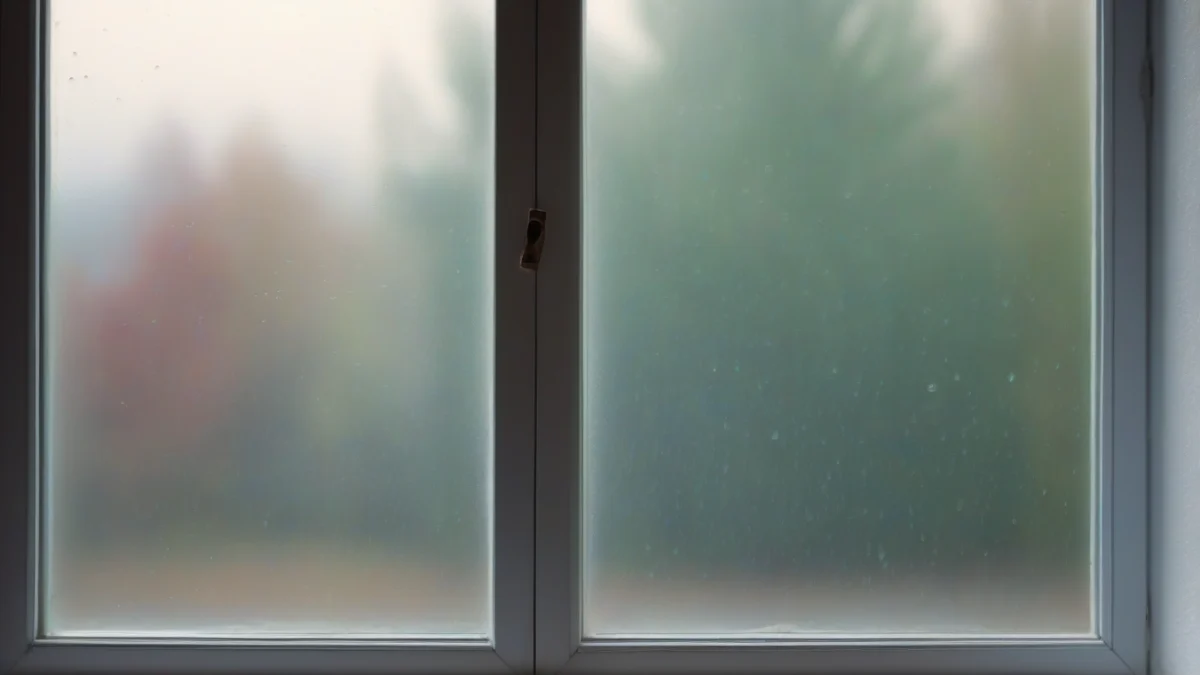
Single-glazed windows lose heat quickly because they have only one pane of glass. Heat escapes through conduction and radiation, making rooms colder and raising heating bills. Replacing single glazing with double or triple glazing cuts heat loss by about 50% or more.
Drafty doors add to heat loss by letting cold air in and warm air out. Gaps around door frames or under doors cause noticeable drafts. Sealing these gaps with weatherstripping or door sweeps can stop this significant heat escape.
Older homes often have insufficient insulation in walls, lofts and floors. Many were built before insulation standards improved, so heat leaks through poorly insulated cavities or uninsulated spaces. Adding or upgrading insulation in these areas reduces heat loss and improves comfort.
Thermal bridging happens when materials that conduct heat well, like metal or timber studs, create a path for heat to bypass insulation. This causes cold spots on walls and ceilings and increases overall heat loss. Thermal bridges are common around window frames, wall junctions and roof edges.
How to Assess Heat Loss in Your Home
- Check for Drafts by HandFeel around windows, doors and skirting boards for cold air leaks on a windy day or when the heating is on. Use your hand or a damp tissue to detect moving air.
- Perform the Candle TestLight a candle and hold it near suspected draft points. Watch the flame for flickering or bending, which shows air movement through gaps.
- Inspect Attic and Loft SpacesLook for gaps around loft hatches, pipes and wiring that allow heat to escape. Check insulation thickness and condition to ensure it meets current standards.
- Use Thermal Imaging CamerasA thermal camera reveals cold spots and heat leaks invisible to the eye. You can rent or hire a professional to scan your home during cold weather or at night when temperature differences are greatest.
Regularly assessing heat loss helps target repairs effectively. Start with simple DIY checks and upgrade to thermal imaging for a detailed view. This approach can show you how to improve your home’s warmth without wasting energy.
For more on identifying cold spots and drafts, see What Causes Cold Spots in Rooms & How to Fix Them.
Effective Solutions for Insulation and Draught-Proofing
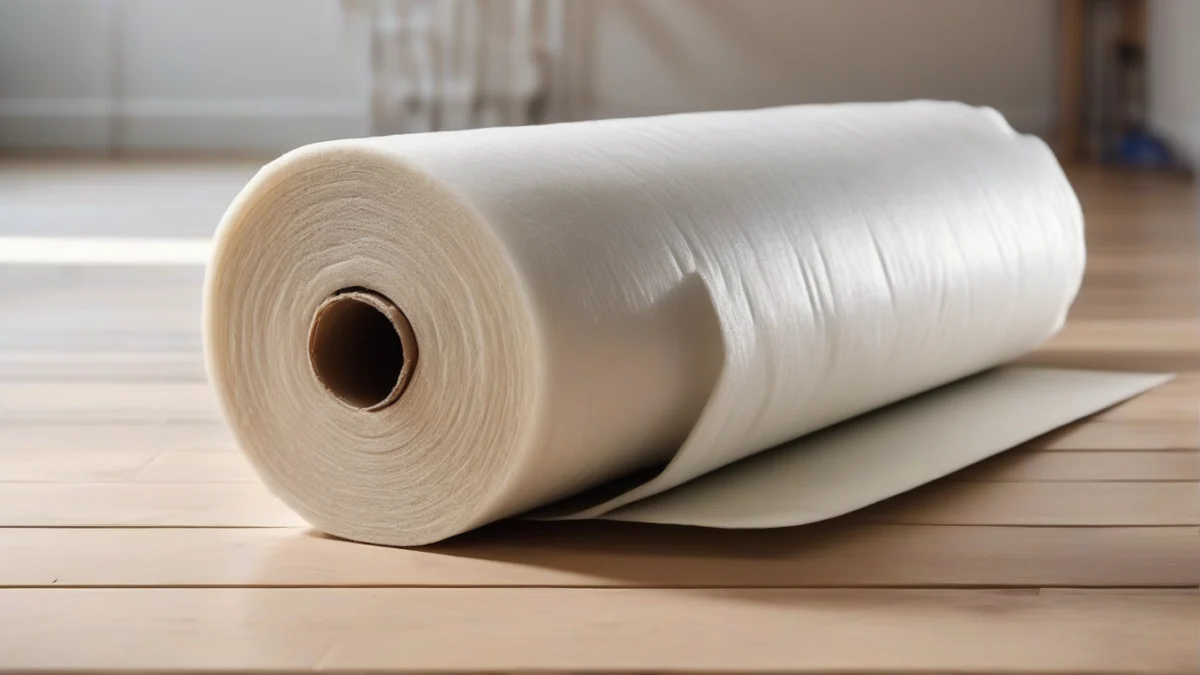
Insulation and draught-proofing are the most direct ways to stop heat loss and warm your room faster. Different types of insulation suit different parts of your home, while draught-proofing targets the gaps where warm air escapes.
Types of Insulation Suitable for Different Homes
For walls, cavity wall insulation works well in homes built after the 1920s with a gap between two wall layers. This fills the cavity with foam or mineral wool, cutting heat loss by up to 35%. Solid walls need external or internal insulation, which adds layers to block heat transfer but costs more and may reduce room size slightly.
Loft insulation is one of the most cost-effective fixes. A depth of at least 270 mm (about 10.5 inches) of mineral wool or cellulose reduces heat loss through the roof, which can be 25% of total heat loss. Older homes often have less than this, so topping up is a quick win.
Floor insulation helps if you have suspended timber floors or unheated basements below. Rigid foam boards or mineral wool laid under floorboards reduce cold from below and make rooms feel warmer without extra heating.
How to Draught-Proof Windows and Doors
- Identify draughtsClose windows and doors on a lit candle or incense stick. Watch the flame or smoke for flickering that shows air leaks.
- Apply draught excludersUse self-adhesive foam tape or rubber seals around window and door frames. Focus on bottom edges and corners where gaps are largest.
- Seal letterboxes and keyholesFit brush or flap covers to letterboxes and use keyhole covers to stop cold air slipping in.
- Use door snakes or draft stoppersPlace these along the bottom of doors leading to cold hallways or outside to block air flow.
Quick Fixes for Immediate Relief
If you need fast results, hang thick curtains with thermal lining over windows at night. Close them fully to trap warm air inside and reduce heat loss through glass.
Use removable window insulation film kits. These clear plastic sheets shrink tight with a hairdryer, creating an extra barrier that cuts drafts and heat loss without permanent changes.
Seal gaps around sockets and switches on external walls with foam sealant or special insulating pads. These small leaks add up to significant heat loss.
| Appliance | Watts | Per hour | Per day (8 h) | Per month (30 days) |
|---|---|---|---|---|
| Loft insulation upgrade | 5,000 W | 85¢ | $6.80 | $204.00 |
| Draught-proofing windows and doors | 2,000 W | 34¢ | $2.72 | $81.60 |
Long-Term Strategies for Improving Home Efficiency
Planning for professional insulation upgrades is the most effective way to reduce heat loss over time. Professionals can assess your home’s current insulation and recommend materials that meet or exceed building standards. They install insulation in walls, lofts, and floors, ensuring continuous coverage to prevent cold spots and drafts.
- Schedule a home energy auditHire a certified assessor who uses thermal imaging and blower door tests to identify heat loss areas.
- Get quotes from qualified installersChoose companies with experience in UK building regulations and quality certifications.
- Plan the upgradeDecide which insulation types and thicknesses fit your budget and efficiency goals.
- Complete installationAllow professionals to install insulation for guaranteed coverage and compliance.
Understanding your home’s energy performance rating (EPC) helps prioritize improvements. The EPC measures how efficiently your home uses energy and suggests cost-effective upgrades. Improving your EPC can increase property value and reduce heating bills.
Government schemes often provide financial support for energy efficiency improvements. Programs may cover part of the cost for insulation, boiler upgrades, or renewable heating systems. Eligibility depends on location, income, and property type, so check current offers carefully.
Long-term efficiency gains come from combining insulation, draft-proofing, and heating upgrades. Professional advice ensures your home meets regulations and maximizes savings. These investments pay off through lower energy bills and a warmer, more comfortable room.
Frequently Asked Questions
What are the main causes of a cold room?
How can I check for drafts in my home?
What is the best insulation for older homes?
How can I improve the efficiency of my heating system?
Why are my floors so cold?
What quick fixes can I use to reduce heat loss?
Before you buy anything, it is worth looking at insulation tips for brick houses.
If that sounds like your room, read up on warmth and energy savings next.
