
A cold room can be frustrating, especially when it seems impossible to keep it warm. Poor insulation allows heat to escape quickly, leading to discomfort and high energy bills.
How to Warm a Room with No Insulation
A room with no insulation loses heat fast. You can still warm it by blocking drafts, using a space heater, and adding temporary insulation on windows and doors.
Cold rooms lose heat mainly through air leaks and thermal bridging. Air leaks let warm air escape and cold air enter around windows, doors, outlets and gaps. Thermal bridging happens when cold surfaces like uninsulated walls or floors conduct heat away quickly, making the room feel colder even if the air temperature rises.
- Find and Seal DraftsCheck around windows, doors, baseboards, and electrical outlets for air leaks. Use weatherstripping, caulk, or draft stoppers to seal gaps. Cover window gaps with plastic film kits to reduce cold air infiltration.
- Add Temporary Insulation to WallsHang thick curtains or blankets on walls to block cold surfaces. Use foam board or insulated panels cut to size and placed against walls to reduce heat loss by conduction. These measures raise the surface temperature of the walls, making the room feel warmer.
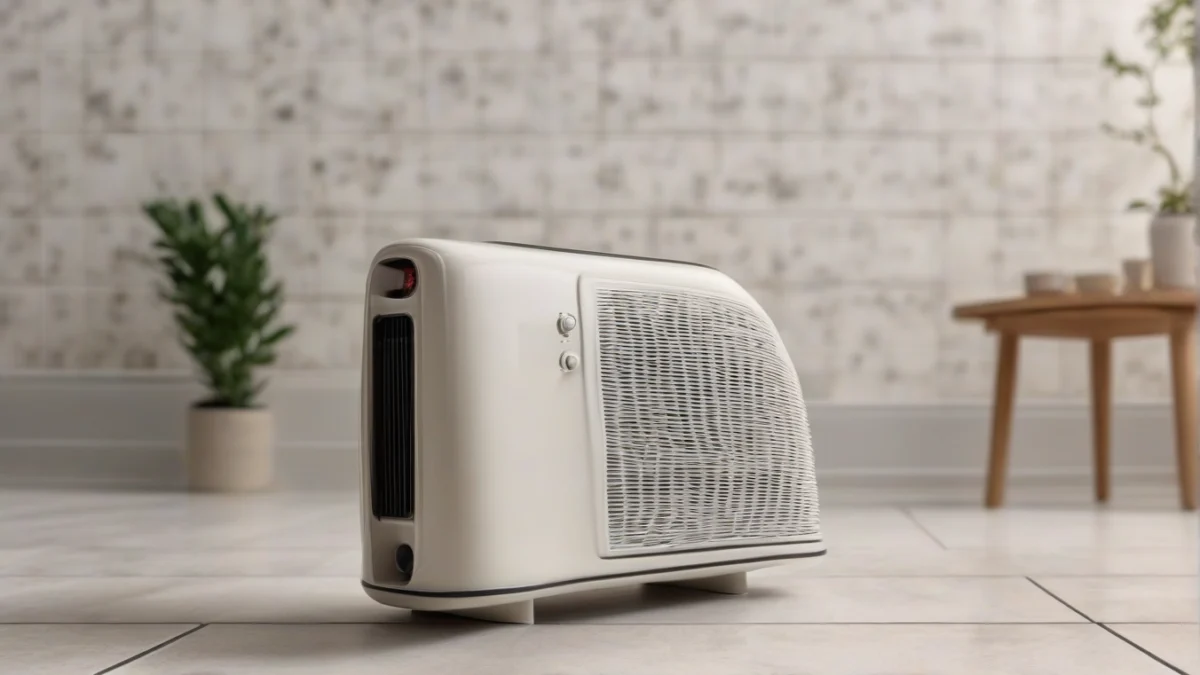
- Use a Space Heater WiselyChoose an electric space heater with tip-over and overheat protection and a UL or ETL certification. Place the heater on a flat, stable surface away from flammable materials. Run it only when you are in the room and awake, and never leave it unattended overnight unless the model is designed for it.
- Improve Heat DistributionUse a fan to circulate warm air from the heater around the room. Avoid blocking heater airflow with furniture or curtains. Keep doors closed to contain heat within the room.
Identifying Causes of Cold Rooms
A room that usually stays warm can turn freezing when heat escapes faster than your heating system can replace it. Poor insulation, air leaks, and cold spots all steal warmth.
Air leaks occur where warm indoor air slips outside through gaps around windows, doors, electrical outlets, and wall penetrations. Even small cracks add up to significant heat loss.
Thermal bridging happens when a material with high thermal conductivity, like metal or wood framing, connects the inside and outside of walls or ceilings. These bridges bypass insulation and pull heat out rapidly.
- Check for Air LeaksClose all windows and doors. Hold a lit incense stick near edges, outlets, vents, and baseboards. Moving smoke reveals drafts.
- Identify Thermal BridgesLook for cold patches on walls or ceilings with your hand or an infrared thermometer. These spots feel cooler or show lower surface temperature.
- Inspect InsulationAccess attics, crawl spaces, or wall cavities if possible. Missing, compressed, or wet insulation reduces effectiveness.
Cold spots form where heat escapes unchecked. They cause uneven temperature distribution, making parts of the room uncomfortable even if the thermostat reads normal.
A usually warm room can freeze if drafts increase or insulation degrades. Seasonal changes like wind, humidity, or temperature swings can worsen these effects.
Quick Fixes for Drafts and Air Leaks
Look for drafts around windows, doors, baseboards, and electrical outlets. Use weatherstripping, foam sealant, or caulk to seal these gaps and keep cold air out.
- Apply WeatherstrippingClean door and window frames. Cut weatherstripping to length. Stick it to the frame edges where the sash or door meets the frame. Foam or rubber types compress to seal when closed.
- Install Door SweepsAttach a door sweep to the bottom edge of exterior doors. This blocks air flow under the door. Choose metal-backed or rubber sweeps for durability.
- Use Draft StoppersPlace fabric draft stoppers or rolled towels at door bottoms and window sills to block air flow temporarily.
- Seal Gaps with CaulkUse latex or silicone caulk for cracks under 1/4 inch wide. Smooth with a finger or tool. Allow 24 hours to cure.
- Fill Larger Gaps with Expanding FoamSpray expanding foam into bigger holes or gaps around pipes and vents. Trim excess foam after it hardens.
These quick fixes reduce heat loss immediately and can lower heating costs while you plan more permanent insulation upgrades. For sustained warmth, combine sealing with a properly sized heater heating up walls without insulation.
Choosing the Right Space Heater
Space heaters come in several types, each suited to different room sizes and uses. Ceramic heaters heat air quickly and are good for short-term use in small rooms. Oil-filled radiators warm more slowly but hold heat longer, making them better for bedrooms or all-night use.
Infrared heaters warm objects and people directly rather than heating the air. They work well in drafty rooms where warm air escapes fast. Panel heaters mount on walls and save floor space but usually heat smaller areas.
Look for safety features like tip-over protection and overheat shut-off. These prevent fires if the heater falls or overheats. A UL, ETL, or CSA listing confirms the model meets safety standards.
Place the heater on a flat, stable surface at least 3 feet from walls, curtains, and furniture. Avoid using extension cords or power strips; plug the heater directly into a wall outlet rated for 15 amps or more. Never leave a space heater running unattended or while you sleep unless the model is specifically designed for that.
- Check the wattageMost plug-in space heaters use up to 1,500 watts. This is the maximum safe load for a standard 120 V outlet and circuit.
- Match heater type to room useChoose ceramic for quick heating of small areas, oil-filled for longer heat retention in bedrooms, and infrared for drafty spaces.
- Follow safety guidelinesUse heaters with tip-over and overheat protection, keep clearance, and plug directly into a wall outlet.
- Position for best heat distributionPlace the heater centrally or near where you spend the most time, away from obstructions.
| Appliance | Watts | Per hour | Per day (8 h) | Per month (30 days) |
|---|---|---|---|---|
| 1,500 W space heater | 1,500 W | 26¢ | $2.04 | $61.20 |
| Heated blanket | 100 W | 1.7¢ | 14¢ | $4.08 |
Insulating Windows, Doors, and Walls
Windows are a major source of heat loss. Apply clear window film to create an insulating air barrier. This film reduces drafts and condensation. Thermal curtains add a second layer that traps heat inside when closed.

Hanging heavy blankets or tapestries on walls blocks cold surfaces and reduces heat loss. Choose dense fabrics and cover large wall areas for better effect. This method is inexpensive and reversible.
Doors can leak significant cold air around the edges. Use weatherstripping or foam tape to seal gaps along the frame. A door sweep at the bottom stops drafts from under the door.
- Apply window filmClean window glass, cut film to size, and attach with double-sided tape or static cling. Avoid wrinkles for best insulation.
- Hang thermal curtainsInstall curtain rods close to the window frame. Close curtains fully at night or during cold weather.
- Seal door gapsMeasure gaps around door edges and apply weatherstripping or foam tape. Attach a door sweep to the bottom edge to block drafts.
- Add blankets or tapestriesHang on cold walls using hooks or nails. Ensure fabric covers the wall fully and reaches close to floor and ceiling.
Optimizing Your Heating System
Maximize your heating system’s efficiency by balancing vents, cleaning filters, and improving air circulation.
- Balance Your Heating VentsCheck that all supply vents are open and unobstructed. Adjust dampers if your system has them to direct more warm air to colder rooms. Closing vents in unused rooms can help focus heat where you need it most, but never close more than 20% of total vents, or you risk damaging your system.
- Clean or Replace Air FiltersDirty filters reduce airflow and force your system to work harder. Replace or clean filters every 1 to 3 months depending on usage. This simple step improves heat output and lowers energy costs.
- Use Ceiling Fans to Circulate Warm AirSet ceiling fans to run clockwise at low speed in winter. This pushes warm air trapped near the ceiling down into the living space without creating a cooling breeze.
- Keep Furniture Away from Heat SourcesAvoid placing sofas, chairs, or curtains in front of vents or radiators. Blocking heat flow reduces room temperature and forces your heater to run longer.
Frequently Asked Questions
What are the best ways to insulate a room with no insulation?
How can I tell if my room has air leaks?
What type of space heater is best for a poorly insulated room?
How can I keep my bedroom warm at night?
What quick fixes can I apply to reduce drafts?
How can I improve insulation without major renovations?
It helps to understand strategies for windy weather before spending anything.
For the detail, see our notes on freezing nights warmth tips. We go through insulation tips for basements step by step in a separate article.
