
Feeling cold next to your walls in winter can be frustrating and uncomfortable. This sensation often indicates energy loss and can signal underlying issues with your home’s insulation or construction.
Understanding why your walls feel cold is essential for addressing the problem effectively. This guide will break down the causes and provide practical solutions to help you maintain a warm and inviting home.
Why Do My Walls Feel Cold in Winter?
Your walls feel cold in winter because heat escapes through them faster than your heating system can replace it. The two main causes are poor insulation and thermal bridging—when framing materials like metal studs or concrete create a direct path for heat to flow outside.
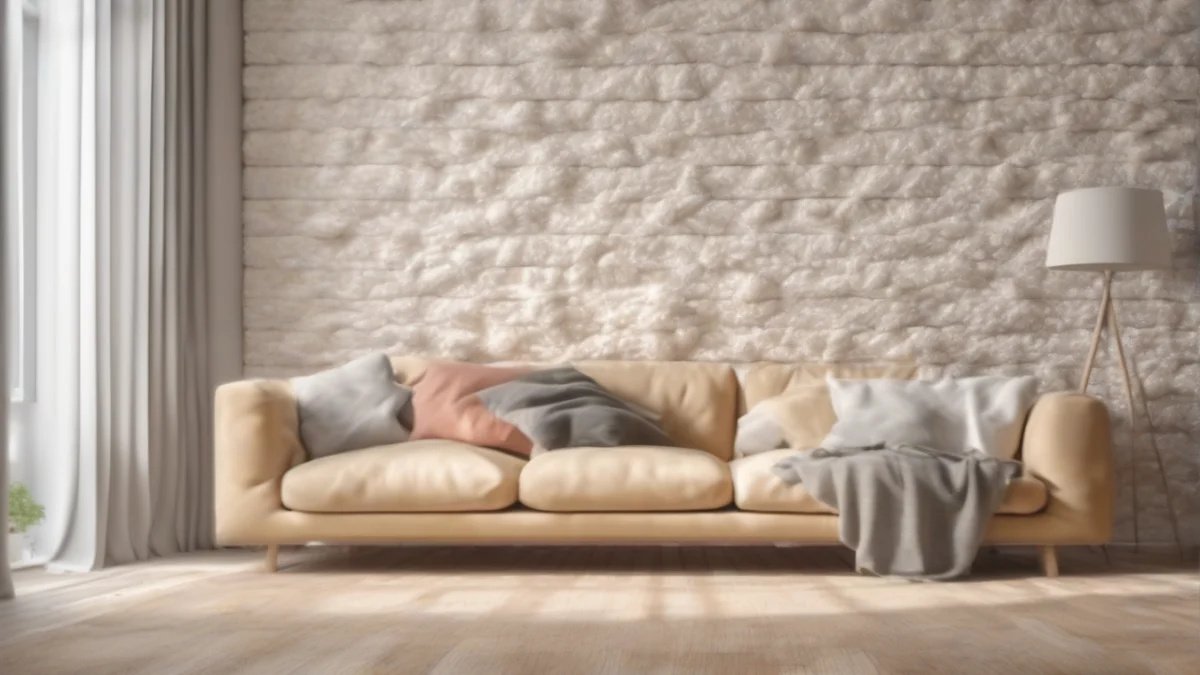
A brick or concrete wall without insulation loses heat through conduction. Heat moves from the warm indoor air, through the wall material, to the cold outdoor air. Brick has a thermal conductivity of 0.6 W/m·K, concrete 1.7 W/m·K—both conduct heat far faster than fiberglass insulation at 0.04 W/m·K. An old brick house with no cavity insulation will have icy-cold interior walls because the masonry pulls heat straight through.
Thermal bridging makes the problem worse. Wood studs, steel framing, and concrete columns bypass insulation entirely, creating cold spots you can feel with your hand. A rendered brick veneer wall in Queensland can still feel cold indoors if the cavity lacks insulation or if metal ties bridge the gap between the veneer and the inner wall.
| Material | Thermal Conductivity (W/m·K) |
|---|---|
| Concrete | 1.7 |
| Brick | 0.6 |
| Wood stud | 0.12 |
| Fiberglass insulation | 0.04 |
North-facing walls and walls shaded by trees or neighboring buildings stay coldest because they receive no direct sun to offset heat loss. The coldest wall in your house in winter is usually the one facing the prevailing wind and away from the sun. If your house still feels cold with the heat on, the walls are likely losing heat faster than a space heater or furnace can warm the air.
Understanding Thermal Bridging and Insulation Failure
Thermal bridging occurs when studs, joists, or other structural members create a direct path for heat to escape from inside to outside. Wood studs conduct heat about four times faster than fiberglass insulation, and steel studs conduct it roughly 400 times faster. These uninsulated pathways create cold spots you can feel with your hand, even when the heating is on.
Old brick houses often have walls that are icy cold in winter because they were built with little or no cavity insulation. A solid brick wall has an R-value around 0.8 per inch; a typical 9-inch wall gives you R-7, while modern code calls for R-13 to R-21. The brick itself conducts heat straight through, and the inside surface stays cold.
Rendered brick veneer walls can feel cold despite the facade because the insulation sits in the cavity behind the veneer, and if that cavity insulation is missing, compressed, or wet, the wall loses most of its thermal resistance. The veneer and render do almost nothing to slow heat loss.
Insulation failure shows up as cold patches, uneven wall temperatures, and drafts near electrical outlets or corners. Fiberglass batts lose effectiveness when compressed, wet, or installed with gaps. Blown insulation can settle over time, leaving the top of the wall uninsulated.
The coldest wall in your house is usually the one facing prevailing winter winds or the one with the least sun exposure, typically north-facing in the northern hemisphere. That wall works hardest against wind-driven heat loss and gets no solar gain to offset it.
Higher heating bills, condensation on interior wall surfaces, and rooms that never reach the thermostat setting all point to insulation problems. Fixing them means adding insulation where it is missing, sealing thermal bridges with rigid foam, and replacing wet or damaged materials. For step-by-step help, see ways to stop cold drafts through walls and how to warm a room with cold external walls.
Common Construction Materials and Their Impact
Your house can still feel cold with the heat on because some construction materials conduct heat away from the interior faster than others. Walls built from materials with high thermal conductivity lose heat quickly, making rooms feel chilly even when the heater runs.
Materials like solid masonry, concrete, and single-pane windows are common culprits. Solid masonry and concrete walls absorb and radiate cold from outside, and their thermal mass delays heat transfer but does not prevent it. Single-pane windows let heat escape rapidly due to poor insulation.
By contrast, materials that conduct heat poorly help keep walls warmer. Wood framing, insulated vinyl siding, and foam board insulation reduce heat loss by trapping air and resisting heat flow.
| Material | Thermal Conductivity | Effect on Wall Temperature |
|---|---|---|
| Solid masonry (brick, stone) | High | Walls feel cold; slow to warm |
| Concrete | High | Absorbs cold; radiates chill indoors |
| Single-pane glass | Very high | Rapid heat loss through windows |
| Wood framing | Low | Better insulation; warmer walls |
| Insulated vinyl siding | Low | Reduces heat escape |
| Foam board insulation | Very low | Keeps heat inside walls |
If your walls feel cold, check what materials your home uses. Older homes often have solid masonry or single-pane windows, which explain the chill. Modern insulation and double-pane windows improve warmth noticeably. The wall that feels cold is usually the one facing the outdoors with the least insulation or thermal barrier.
Air Leaks and Moisture: Secondary Causes of Cold Walls
Cold from a wall often means air is infiltrating through cracks, gaps, or poorly sealed joints. Air leaks pull warm indoor air out and let cold outdoor air in, chilling the wall surface and the room.
Air infiltration mostly happens around window frames, door jambs, electrical outlets, and where walls meet floors or ceilings. Even small gaps can cause noticeable cold spots on walls.
Moisture worsens the problem by reducing insulation effectiveness. Damp insulation loses its ability to trap heat, making walls colder and increasing heating costs. Moisture enters from leaks, high indoor humidity, or condensation on cold surfaces.
Furniture placement affects warmth too. Large furniture pushed against exterior walls blocks heat circulation and traps cold air between the wall and furniture, making that area feel colder.
Blowing warm air hoping it reaches the center of a cold wall often fails if air leaks or moisture are present. The heat escapes before warming the wall core. Sealing leaks and controlling moisture are necessary before heating the wall itself becomes effective.
Diagnosing and Fixing Cold Walls: Practical Steps
Cold walls happen because heat escapes through poorly insulated areas or air leaks. Checking for these issues is the first step to fixing them.
- Inspect Walls for Cold SpotsRun your hand along the wall on a cold day or use an infrared thermometer. Cold spots pinpoint where insulation is missing or compressed.
- Check for Air LeaksLook for gaps around windows, doors, electrical outlets, and baseboards. Use smoke from a candle or incense stick to see if air moves around these areas.
- Seal Air LeaksApply weatherstripping to windows and doors. Use caulk or spray foam to fill cracks and gaps. Electrical outlets on exterior walls can be insulated with foam gaskets.
- Assess Exterior VentsDo not seal exterior air vents in winter if they are designed for combustion appliances or ventilation. Blocking them can cause dangerous backdrafts or moisture buildup. Only cover vents with removable vent covers designed for winter use.
- Improve Wall InsulationIf cold spots are widespread, add insulation inside walls or install insulated wall panels. Self-adhesive thermal wallpaper panels add a layer of insulation and reduce drafts on interior surfaces.
- Consider Professional AssessmentHire a certified home energy auditor for a blower door test. This test measures overall air leakage and identifies hidden leaks. Professionals can also use thermal imaging to detect insulation gaps.
| Appliance | Watts | Per hour | Per day (8 h) | Per month (30 days) |
|---|---|---|---|---|
| 1,500 W space heater | 1,500 W | 26¢ | $2.04 | $61.20 |
Frequently Asked Questions About Cold Walls
Why do walls feel cold even when the heat is on? Walls feel cold when heat escapes through poor insulation or air leaks. The surface temperature drops, making the wall feel cold to the touch.
Should I seal exterior vents on my walls for winter? No. Exterior vents for combustion or ventilation must remain open to avoid fire hazards and moisture problems. Use removable vent covers if recommended by the manufacturer.
Can I fix cold walls myself? You can seal small air leaks and add interior insulation panels yourself. For major insulation issues or uncertainty, hire a professional for an energy audit and insulation upgrade.
How much difference does wall insulation make? Proper insulation can make walls noticeably warmer and reduce heat loss. This lowers heating costs and improves comfort.
Frequently Asked Questions
What causes cold walls in winter?
How can I tell if my insulation is failing?
Why do concrete walls feel colder than other walls?
What are thermal bridges and how do they affect my home?
How can I fix air leaks in my home?
Is it safe to seal exterior air vents in winter?
We cover how to insulate floors in its own guide.
We go through improving garage comfort step by step in a separate article.
