
Rooms with many windows can be beautiful, but they often lead to discomfort and high energy bills during colder months. The glass in these windows allows heat to escape, making it crucial to implement effective strategies to minimize heat loss.
How to Reduce Heat Loss Through Windows
Reduce heat loss through windows by sealing drafts, adding insulation, and using window treatments designed to block cold and heat. Single-pane windows and large glass areas lose heat quickly but can be improved with proper sealing and layering.

Heat escapes through windows mainly by conduction, convection, and air leaks. Thermal bridging occurs when heat transfers through the window frame or glass more easily than surrounding insulated walls, causing cold spots and energy waste.
Single-pane windows lose about twice as much heat as double-pane windows. Large windows and sliding glass doors increase heat gain in summer and heat loss in winter. To reduce the heat and lower your cooling bill on the sunny side of the house, block direct sunlight with reflective films or solar screens and add insulating window coverings.
- Inspect window frames and glass for gaps or cracksCheck for visible cracks, gaps around the frame, or loose weatherstripping where air can leak.
- Seal drafts with caulk or weatherstrippingApply exterior-grade caulk around frames and replace worn weatherstripping to stop cold air infiltration.
- Add window insulation filmApply clear plastic film tightly over the interior window surface in winter to reduce heat loss by trapping an air layer.
- Use thermal curtains or cellular shadesClose these insulating window treatments at night or during very cold or hot periods to reduce heat exchange.
- Install solar screens or reflective window filmOn windows facing the sun, these block heat gain and reduce cooling costs during summer.
- Consider storm windows for single panesStorm windows add a second glazing layer, cutting heat loss by 25 to 50% without full replacement.
Large windows and sliding glass doors on the hot side of your house can make rooms uncomfortable and drive up cooling bills. Solar control films reflect infrared heat. Solar screens block up to 70% of solar heat before it enters. Both reduce indoor temperature without blocking the view.
For single-pane windows, sealing is the most cost-effective first step. Adding storm windows or insulating window film improves performance without total replacement. Heavy drapes or cellular shades add insulation and help block drafts.
Improving window insulation and sealing drafts cuts heat loss, lowers energy bills, and creates a more comfortable room year-round. For more on managing heat loss through single glazed windows, see how to reduce heat loss through single glazed windows. To learn about reducing heat loss by window treatments, see how to use curtains to reduce heat loss & save money.
Quick Draft-Stopping Fixes
Reduce window draft quality fast by sealing gaps where cold air sneaks in. Drafts cause heat loss by letting warm air escape and cold air enter. Stopping drafts quickly improves comfort and cuts heating costs.
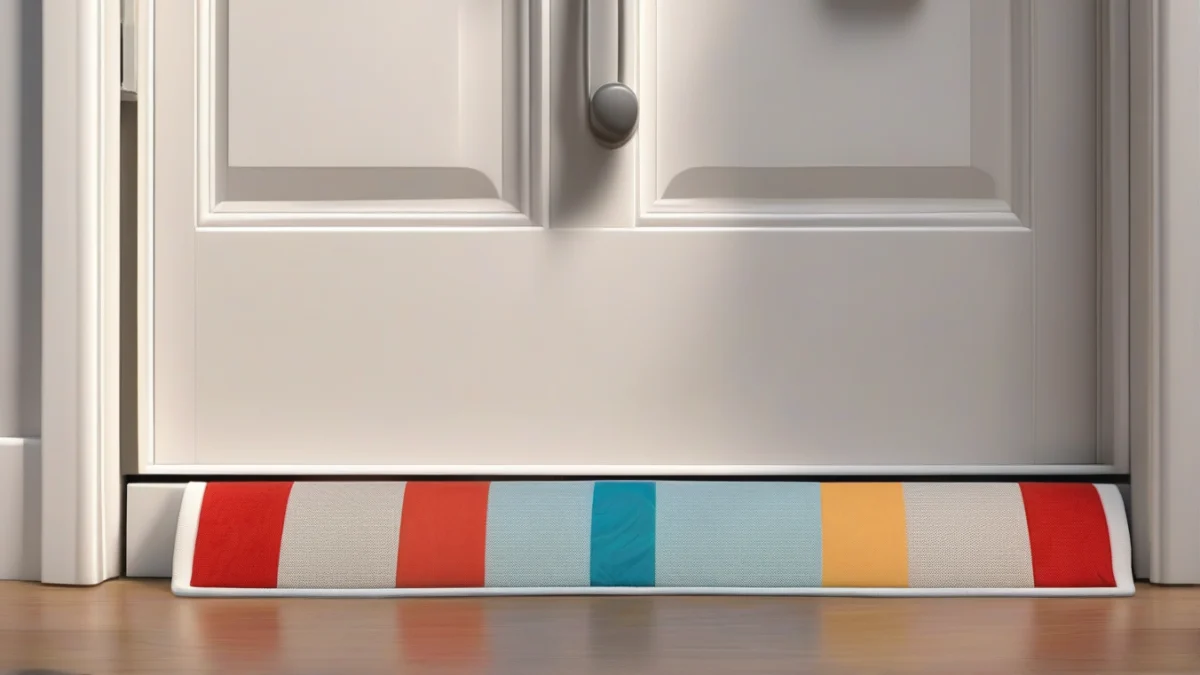
Start with weather stripping and caulking. Weather stripping uses adhesive foam or rubber strips to seal movable parts like window sashes. It compresses when the window closes, blocking gaps. Caulking fills cracks in the frame or between the frame and wall. Use silicone or latex caulk for durability and flexibility. Both are cheap and easy to apply with a caulk gun or by hand.
For emergency heat loss reduction, apply plastic window film kits. These kits stick to the window frame and shrink tight with a hair dryer, creating an insulating air barrier. It reduces drafts and stops cold air infiltration without blocking light. Plastic film kits are widely available and install in about 30 minutes.
Physical barriers also help seal drafts immediately. Draft stoppers, often filled tubes or snakes of fabric, block air at the window sill or base of the window. They are reusable and simple to place or remove. Heavy curtains add another layer of insulation by trapping air between the fabric and glass. Close curtains at night or on windy days to reduce heat loss.
- Locate DraftsFeel around window edges for cold air or use a candle flame to spot flickering caused by drafts.
- Apply Weather StrippingClean the window frame, cut strips to size, and press firmly along moving parts.
- Caulk CracksRemove loose material, apply a bead of caulk, and smooth with a finger or tool.
- Install Plastic FilmTape the film to the frame, shrink with a hair dryer, and trim excess.
- Use Draft Stoppers and CurtainsSet draft stoppers along the sill and close heavy curtains after dark.
Mid-Range Window Insulation Upgrades
Single-pane sash windows lose heat quickly because they have only one layer of glass and often poor seals. To reduce heat loss in these windows, you can add window insulation film or use thermal curtains to improve their insulation without replacing the window.
Window insulation film is a clear plastic sheet that you apply over the inside of the window frame. It creates an extra barrier that traps air and reduces heat transmission. The film is usually installed with double-sided tape and then tightened with a hairdryer to remove wrinkles.
- Prepare the windowClean the window frame and glass thoroughly to ensure the tape sticks well.
- Apply double-sided tapePlace tape around the inside edge of the window frame.
- Attach the filmPress the film onto the tape, covering the entire window area.
- Shrink the filmUse a hairdryer on medium heat to tighten the film and remove wrinkles.
Thermal curtains add insulation by using thick, dense fabrics that block cold air from reaching the room. They often have a backing layer made of foam or acrylic that improves their thermal resistance. Close the curtains fully at night and on cold days to keep heat inside.
Thermal curtains also reduce drafts around the window frame. For best results, choose curtains that cover the entire window and extend beyond the frame edges. They should hang close to the wall to minimize air circulation behind them.
Both window insulation film and thermal curtains work best together. The film reduces heat transmission through the glass, while the curtains reduce heat loss from air leaks and radiation.
Upgrading single-pane windows with these mid-range insulation options costs far less than full window replacement. The film applies directly to the glass and lasts through one heating season. Thermal curtains block drafts and add insulation; they can last several years with proper care.
| Upgrade | Cost Range | Lifespan |
|---|---|---|
| Window insulation film | Varies by brand and size, typically affordable | One heating season |
| Thermal curtains | Varies by fabric and size, generally moderate cost | Several years |
Long-Term Solutions for Energy Efficiency
Single-glazed windows lose heat quickly because they have only one layer of glass and minimal insulation. To reduce heat loss through single glazed windows permanently, upgrading to double or triple glazing is the most effective solution. These multi-pane windows trap air or inert gas between layers, cutting heat transfer by conduction and convection.
Double glazing typically reduces heat loss by about 50% compared to single glazing. Triple glazing improves on this further, cutting heat loss by roughly 60% to 70%. The extra layers also reduce outside noise and improve condensation resistance. These benefits translate into lower heating bills and a more comfortable room temperature year-round.
Replacing windows is a larger investment than sealing drafts or adding interior storm windows, but it lasts for decades and boosts home value. Sealing gaps and adding weatherstripping cost a fraction of replacement but only slow heat loss rather than stop it. For windows in poor condition or with single glazing, replacement is the more energy-efficient choice over the long term.
| Method | Typical Cost Range | Effect on Heat Loss | Lifespan |
|---|---|---|---|
| Sealing drafts and weatherstripping | Costs vary widely depending on window size and materials | Reduces drafts, minor insulation improvement | 1 to 5 years |
| Interior storm windows | Costs vary based on window style and features | Adds second glazing layer, cuts heat loss 30-40% | 10 to 15 years |
| Double glazing replacement | Ranges considerably with size and glazing options | Cuts heat loss by about 50% | 20 to 30 years |
| Triple glazing replacement | Varies by manufacturer and window specifications | Cuts heat loss 60-70% | 20 to 30 years |
To decide whether to seal or replace, consider your window’s condition and your budget. If the existing window frame is sound and you want a lower upfront cost, sealing and storm windows help. If your single-pane windows are old, drafty, or have damaged frames, replacement saves more energy and hassle over time.
- Inspect Your WindowsCheck for drafts, rotting, or warped frames that let cold air in or cause condensation.
- Calculate Energy SavingsEstimate heating cost savings from reduced heat loss with replacement versus sealing.
- Get Quotes for ReplacementObtain professional estimates for double or triple glazing installation.
- Consider Financing and IncentivesLook for local rebates or financing options to offset replacement costs.
Maintaining Efficiency and Measuring Results
Single-pane windows lose heat quickly, so ongoing maintenance and monitoring are key to keeping them efficient. Adding thick curtains reduces heat loss by trapping a layer of still air against the glass, slowing heat transfer through the window.
Weather stripping and caulking degrade over time and allow drafts to return. Check seals annually, especially around window sashes and frames. Replace cracked or hardened caulk and worn weather stripping immediately to maintain an airtight barrier.
- Inspect SealsLook for gaps, cracks, or peeling caulk around window frames. Press weather stripping to test for brittleness or gaps.
- Replace CaulkingRemove old caulk with a putty knife. Apply new exterior-grade caulk in a continuous bead to seal gaps.
- Renew Weather StrippingRemove damaged stripping and install new foam or rubber strips designed for windows to maintain a tight seal.
- Check Curtain FitEnsure curtains cover the entire window and reach the sill or floor to trap air effectively.
Measuring improvements in comfort and energy savings helps confirm the value of your efforts. Track your heating bills before and after upgrades to see if energy consumption drops. Use a room thermometer to monitor temperature stability near windows on cold days.
Infrared thermometers or thermal cameras can spot cold spots and leaks around windows. Use these tools to target maintenance where heat loss is highest. Record readings periodically to assess if repairs hold up over time.
| Method | What It Shows |
|---|---|
| Heating bills | Overall energy cost changes |
| Room thermometer | Temperature near windows |
| Infrared thermometer | Cold spots and leaks around frames |
Curtains reduce heat loss by creating a barrier that slows convection and radiation through windows. Heavy or thermal-lined curtains trap warm air between the glass and fabric. Keep them closed at night and on cold days to maximize this effect.
Regular upkeep of seals and window treatments is the most cost-effective way to maintain heat retention in rooms with many windows. These steps complement the upgrades covered earlier and help you avoid costly energy waste over time.
For more detailed methods on reducing heat loss from single-pane windows, see our guide on how to reduce heat loss through windows and single pane window heat loss strategies single glazed window heat loss. To learn more about how curtains help, check how do curtains reduce heat loss curtains to reduce heat loss.
Frequently Asked Questions
What are the best ways to insulate single pane windows?
How can I tell if my windows are leaking air?
What is the cost of replacing single-pane windows?
Do thermal curtains really work for large windows?
How often should I replace weather stripping?
Can I use plastic film on my windows year-round?
Readers in this position usually ask about stop drafts from patio doors as well.
Readers in this position usually ask about how to insulate a bedroom without replacing windows as well.
