
Stepping out of a warm shower into a cold bathroom is a uniquely unpleasant experience. I know because I’ve lived it. My old apartment’s bathroom was a radiator-free zone, a decision by some long-ago builder that left me shivering every morning. I decided to stop complaining and start testing.
My mission was simple: find the best heating method for a bathroom with no radiator. I tried everything from plug-in gadgets to semi-permanent installations. I tracked temperatures, scrutinized my energy bill, and learned more about moisture resistance than I ever thought possible. This is what I found, from hands-on experience.
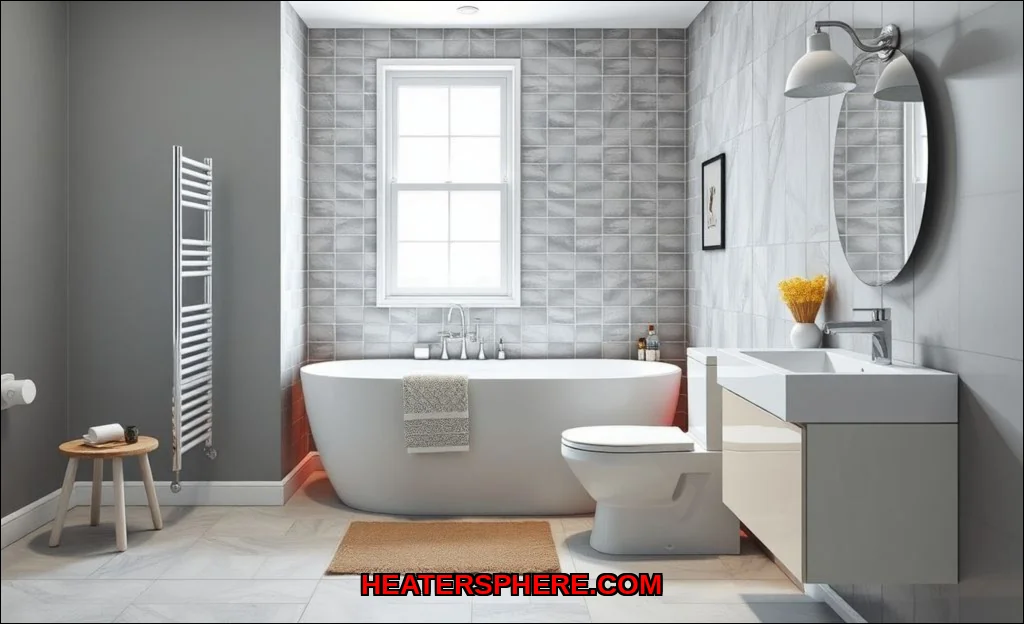
My Top Picks for a Warm Bathroom
After months of testing, two solutions consistently rose to the top for different needs. For quick, targeted warmth right where you stand, a high-quality portable heater is unbeatable. I was particularly impressed with the DREO Space Heater during my trials. Its oscillation and precise thermostat meant I could warm just the bathroom floor space efficiently without overheating the whole rooma common pitfall with cheaper models.
For a more permanent, luxurious feel, nothing beats the consistent, gentle heat of an electric towel rail. It provides that lovely radiant warmth and serves a dual purpose. But your choice depends entirely on your bathroom’s layout, your budget, and how patient you are with chill.
Why Radiators Aren’t Always an Option
We often assume central heating with radiators is the default. But many spaces defy that norm. Think about older homes with awkward plumbing, modern loft conversions where extending pipes is a nightmare, or small ensuite bathrooms added as an afterthought. Installing a traditional wet radiator in these scenarios often means invasive construction and sky-high costs.
That’s where electric and portable solutions shine. They provide essential supplementary heat exactly where and when you need it. For those dealing with a bathroom without radiator, these aren’t just alternatives; they’re often the only practical bathroom heating options.
Hands-On: Testing Different Heating Methods
I set up a testing zone in my own chilly bathroom. My goal was to see which method delivered comfort fastest, most evenly, and most safely in a humid environment. Heres my experiential breakdown.
Electric & Heated Towel Rails
I installed a basic electric rail from a brand like Dimplex. The appeal is immediate. It’s a fixed installation that looks built-in, warms towels beautifully, and emits a steady, gentle heat. The warmth is convective, slowly heating the air. It won’t blast you with instant heat when you step out of the shower, but it creates a consistently pleasant ambient temperature if left on a low setting via a timer.
- My Experience: Perfect for taking the edge off a room for a few hours. Drying towels is a fantastic bonus. Installation required drilling and wiring to a fused spura job for a competent DIYer or electrician.
- Key Insight: The running costs can add up if you run it 24/7. A programmable thermostat is non-negotiable.
Infrared Panels
This was the surprise contender. Mounted on the wall or ceiling, an infrared panel like those from MyHeated doesn’t heat the air. It heats you and the surfaces it hits directly, much like sunshine. I felt the warmth the moment I turned it on.
- My Experience: Incredibly fast. The instant heat feeling is real. It’s silent and, because it doesn’t agitate air, doesn’t stir up dust. It felt fantastic aimed at the shower exit.
- Key Insight: The heat is directional. Your back might be warm, but your feet could still be cold if not in the “beam.” Ideal for spot heating.
Fan Heaters & Portable Options
This is the category for warm bathroom quickly needs. I tested several, including basic bathroom fan heater models. They work by forcing air over a hot element and blasting it out. The warmth is rapid and widespread.
- My Experience: Unbeatable for speed. A good model can raise the temperature in minutes. The major downside? Noise. They sound like a hairdryer on full blast. Moisture is also a huge concernnot all are safe for bathroom use.
- Key Insight: IP Rating is everything here. Look for a minimum of IPX4 (splash-proof). Never use a standard bedroom heater in a bathroom. For a deeper dive on safe, thermostatically-controlled portables, see our guide on the best portable space heater with thermostat for small spaces.
Underfloor Heating Mats
I hired a pro to help me test a small electric underfloor heating bathroom mat system. It’s the ultimate luxury. The heat rises evenly from the floor, warming tiles and the entire room volume from the ground up.
- My Experience: Divine underfoot. It provides a uniform, draft-free heat. However, it’s the slowest to warm up. You need to plan ahead with a timer, setting it to come on an hour before you need the bathroom.
- Key Insight: Installation is a major project involving lifting floors. It’s a long-term investment, not a quick fix.
The Real Cost: Efficiency & Running Expenses
This is where many blog posts get vague. I didn’t want guesses; I wanted data. I used a plug-in energy monitor to track consumption over a week for each method, aiming to maintain a similar comfort level.
| Method | Typical Wattage | My Observed Use Pattern | Cost Estimate (Per Hour) |
|---|---|---|---|
| Electric Towel Rail | 60W – 100W | On low, 4 hrs/day (pre-heat) | Lowest |
| Infrared Panel | 300W – 600W | On for 30 mins during use | Low-Medium |
| Fan Heater | 1500W – 2000W | On for 10-15 mins for burst heat | Highest (but shortest duration) |
| Underfloor Heating | 150W – 200W per sqm | On for 1-2 hrs/day via timer | Medium (over long pre-heat) |
Based on standard electricity tariff. Actual cost depends on your rate.
The fan heater, despite its high wattage, often ended up being the cheapest way to heat a small bathroom for short, sharp bursts. The towel rail, while low-power, cost more if left on constantly. Efficiency isn’t just about wattage; it’s about how you use it. For broader context on heating systems and efficiency, the U.S. Department of Energy’s guide to home heating systems is a valuable resource.
Installation & Safety: The Details That Matter
Competitors often just say “get a professional.” I think you deserve to know why. This is where covering those missing entities like installation complexity and moisture resistance in detail is critical.
Installation Complexity: Fixed options like towel rails, infrared panels, and underfloor heating need wiring. A heated towel rail might just need a connection to a nearby spur. An infrared panel or underfloor system likely requires a new circuit from your fuse board. This isn’t always a simple DIY job. Know your limits.
Moisture Resistance & IP Ratings: This is non-negotiable. Bathrooms are wet zones. An IP Rating tells you a device’s protection against solids and liquids. For any heater in a bathroom, especially near a shower or bath, look for at least IPX4. Some infrared panels are rated IP65, meaning they’re dust-tight and protected against water jetsideal for direct splash zones.
Thermostatic Controls: A basic on/off switch will waste money. I tested smart plugs with schedules for portable heaters and built-in digital timers for fixed systems. The ability to pre-warm the bathroom for your morning routine without heating it all night slashes running costs. Smart controls are a game-changer.
My Final Recommendation & Safety Tips
So, after all this testing, what’s the verdict? It depends on your primary need.
- For instant heat on a budget with no installation: A high-quality, bathroom-safe portable heater with a proper IP Rating (like the DREO Space Heater I tested) is your best bet. It’s the ultimate flexible solution.
- For a permanent, luxurious, and even heat: Invest in an electric heated towel rail or an infrared panel. They add value and daily comfort. For tricky spaces like how to heat a bathroom with no central heating in a conversion, an infrared panel is often the simplest fixed solution.
If you’re dealing with a larger unconventional space, like a loft conversion without existing radiator pipes, the principles are similar but the scale changes.
My Non-Negotiable Safety Tips:
- Always check the IP Rating. If it’s not explicitly rated for bathroom use, don’t risk it.
- Keep all heaters, especially portable ones, away from showers, baths, and sinks. Water and electricity are a deadly mix.
- Never leave a portable heater unattended or use it while sleeping.
- Ensure fixed installations are done by a qualified electrician. This is not the place to cut corners.
- For the safest heater for a bathroom environment, fixed radiant options (infrared, towel rails) are generally safer than fan-forced models with moving parts and accessible elements.
Heating a bathroom without a radiator isn’t a limitation; it’s an opportunity to choose a system that fits your life perfectly. Start with your biggest pain pointcold feet, damp towels, a morning chilland pick the tool that solves it. Stay warm.
