
Stepping out of a warm shower into a cold bathroom is a uniquely British misery. I’ve done it for years, shivering while reaching for a towel. It’s more than just discomfort; it’s a genuine safety hazard. Wet floors and sudden chills are a recipe for slips and a miserable start to the day. Finding the right heat source isn’t just about comfortit’s a critical safety decision where electricity and water must never mix carelessly.
Through trial, error, and a few too many chilly mornings, I’ve tested my way through the market. I wanted warmth that felt safe, not just on paper but in a steamy, real-world bathroom. For those seeking a versatile plug-in option for other rooms, many find the DREO Space Heater to be a reliable choice, though its use in a bathroom requires extreme caution and is generally not advised. The bathroom demands something far more specialised.
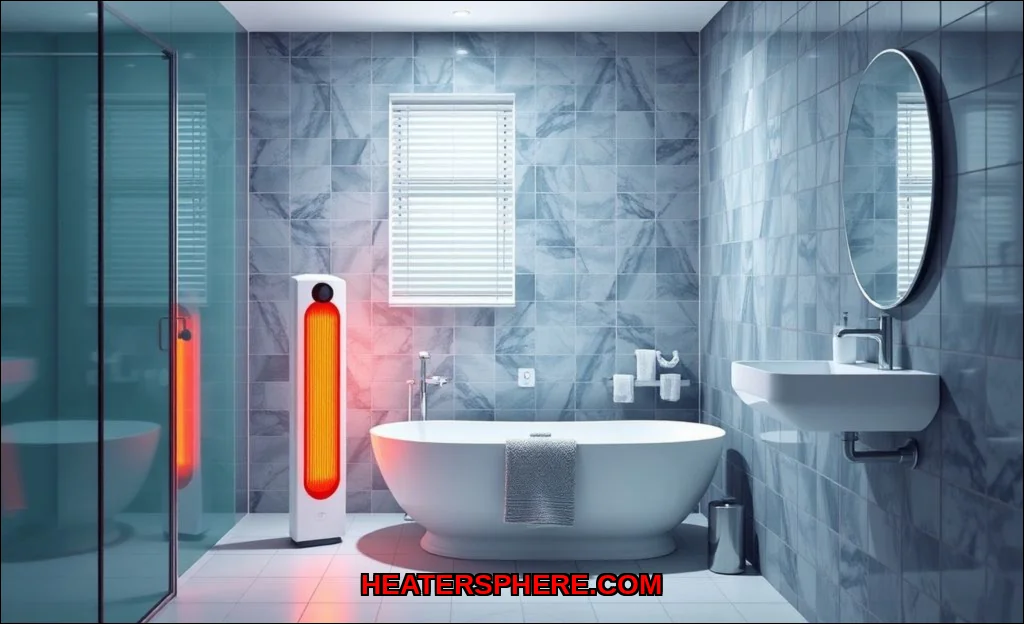
Why Bathroom Heating Needs Special Care
You wouldn’t use a standard plug socket next to a filled bath. The principle is the same for heaters. Bathrooms are high-moisture zones where condensation is a constant enemy. A standard fan heater or portable radiator becomes a serious risk here. Steam can infiltrate casings, and water splashes are inevitable. The consequences of getting it wrong aren’t worth thinking about. This environment demands appliances built from the ground up for damp conditions.
My own wake-up call came with a cheap, unrated heater that started making a faint buzzing sound after a few steamy baths. It was unplugged immediately and never used again. That experience sent me deep into research, learning about the regulations that should guide every purchase. For the detail, see our notes on bathroom warmth solutions.
The Non-Negotiables: IP Ratings and Bathroom Zones
This is the most important part. Forget wattage or style for a moment. First, understand IP Rating (Ingress Protection). This two-digit code tells you exactly how sealed a unit is against solids and liquids. For any bathroom heater, the second digit (liquid protection) is king.
Bathrooms are divided into Zone 1 & Zone 2. Zone 1 is the area above the bath or shower to a certain height. Zone 2 is the area extending 0.6m outside the bath/shower and around the sink. What you can install where is strictly governed.
- Zone 1: Requires a minimum rating of IPX5 (protected against water jets). Only pull-cord switches or specially designed heaters should be here.
- Zone 2: Requires a minimum of IPX4 (protected against splashing from any direction). This is where most dedicated wall mounted bathroom heater units live.
- Outside Zones (sometimes called Zone 3): Standard appliances can be used, but they must be positioned so they cannot be touched by someone in the bath or shower.
So, what IP rating is safe for a bathroom heater? For any fixed heating near water sources, never settle for less than IPX4. For true peace of mind, especially in compact spaces where everything is close, aim for IPX5 or higher.
Key Safety Features You Can’t Compromise On
An IP Rating is your first checkpoint, but it’s not the only one. A truly safe bathroom heating solution layers on extra protections. From my testing, these features separate the adequate from the excellent.
- Overheat Protection: A must-have. The heater should automatically cut out if internal components get too hot. I test this by letting a unit run in a small, enclosed space (safely monitored). The good ones click off. The bad ones don’t.
- Tip-Over Switch: Crucial for any portable heater you might consider for a bathroom (though I strongly advise against portables in wet areas). If knocked over, it shuts off instantly.
- Fixed Wiring: For wall-mounted units, having a professional install them via Fixed Wiring into the mains is the gold standard. It removes the risk of a plug and socket being within a danger zone. It’s not just safer; it looks cleaner.
- Thermostat & Timer: While not pure safety features, they prevent unnecessary operation, reducing risk and running costs. Waking up to a pre-warmed towel rail set on a timer is a small luxury that also makes sense.
My Top Picks: Hands-On Reviews & Comparisons
I’ve lived with these categories. Heres my experiential take on the main bathroom heating solutions, warts and all.
Electric Towel Rails & Radiators: The Integrated Workhorse
My personal favourite for daily use. A good heated towel rail or bathroom radiator provides gentle, radiant background heat. It warms towels, takes the chill off the air, and reduces condensation. I tested several from brands like Dimplex and VonHaus. If that sounds like your room, read up on tips for cozy attic spaces next.
The Good: They’re permanently on the wall, look built-in, and often have excellent IP Ratings (IPX4 and above). The gentle heat is perfect for all-day frost protection in winter. The warmth feels consistent, not blasty.
The Drawback: They aren’t instant. You need to plan ahead with a timer. They also won’t “hot box” a room like a fan heater can. For rapid heat in a freezing room, you might want to pair it with another option, like a dedicated best wall heater for bathroom installation for faster warm-up.
Wall-Mounted Fan Heaters: The Instant Blast
I installed one of these in a particularly cold, tiled bathroom. The appeal is undeniable: press a button, get heat. Fast. Modern units are surprisingly slim and often include a cool-air fan function for summer.
The Reality Check: The fan noise can be intrusive. I found the ones with ceramic elements far better than old metal coil typesthey heat up quicker and distribute heat more evenly. The key is ensuring it’s high on the wall, out of reach from showers or baths, and properly IP rated. They can be the best wall mounted heater for small bathroom UK scenarios where space is too tight for a towel rail.
My Verdict: Brilliant for a quick pre-shower boost, especially with a timer. But for all-day background comfort, they’re less efficient. The constant on/off cycling to maintain temperature isn’t as economical as radiant heat.
Infrared Heaters: The Targeted Ray
This was a fascinating test. Infrared panels heat objects and people directly, not the air. It feels like standing in a patch of sunlight. I used one mounted on the ceilinga common and safe location.
The Experience: The heat is immediate and feels wonderful on your skin when you step out. However, the side of you facing away from it stays cool. It’s incredibly localised. For a full-room warm-up, it’s less effective. They are, however, often very efficient and can be a great cheapest to run bathroom heater 2024 contender due to their direct transfer of energy. If this targeted warmth appeals, our deep dive into the best infrared heater for bathroom setups is worth a look.
The Portable Heater Question: Just Don’t.
Can you use a plug-in heater in the bathroom? Technically, if it’s outside the zones and you’re incredibly careful. Personally, I say avoid it. The risk of a trailing cord, of forgetting and leaving it within splashing distance, is too high. True cordless heater safety in a bathroom is a myththey still need to charge somewhere. If you must, it must have a high IP Rating, a Tip-Over Switch, and be plugged into an RCD-protected socket far from any water source. I never felt truly comfortable during my test.
Installation & Safe Usage: Lessons from Getting It Wrong
Buying the right heater is half the battle. Putting it in the right place is the other half. Heres what I learned the hard way.
- Read the Manual, Then Read It Again: I once assumed a heater’s IPX4 rating meant it could go anywhere. The small print specified “not for direct shower spray.” Placement matters as much as the rating.
- Professional Installation is Worth Every Penny: For any fixed, wall-mounted unit, especially those requiring Fixed Wiring, hire a qualified electrician. They’ll ensure it’s on the correct circuit, properly earthed, and compliant with Part P building regulations. This isn’t a DIY job.
- Pair with Ventilation: A heater fights condensation, but an bathroom extractor fan is its essential partner. Running the fan during and after a shower removes moisture at the source, making the heater’s job easier and the room safer. I saw a dramatic drop in mirror fog and wall dampness once I synced my heater timer with my fan.
- Mind the Materials: Don’t mount a heater where it will blast heat directly onto curtains, towels, or toiletries. Maintain clearance. I learned this after a melt-warped toilet brush holder. A valuable, if silly, lesson.
FAQs: Your Bathroom Heater Questions Answered
These are the questions I asked, and the answers I found through testing and talking to experts.
What’s truly the cheapest to run?
For constant, background warmth, a low-wattage electric towel rail on a thermostat is hard to beat. It uses energy in small, sustained amounts. For quick bursts, a well-insulated bathroom and a timer on a efficient fan heater can minimise costs. Infrared panels can also be very efficient for spot heating. There’s no single winnerit depends entirely on your usage pattern.
Is a fan heater with a high IP rating safe in Zone 2?
If it’s specifically rated for it (e.g., IPX4 or IPX5) and installed according to its manual, yes. But it must be permanently fixed to the wall. You cannot just mount a bracket and plug a standard fan heater in. The electrical connections must be sealed.
Do I need frost protection?
If your bathroom is in a loft extension, a conservatory, or is generally very cold, a frost protection heater setting is a smart investment. It’s a low-power mode that kicks in only when temperatures drop near freezing, preventing pipe bursts. Most modern electric towel rails have this function. I consider it essential for holiday homes.
Where can I find official safety guidelines?
For comprehensive UK regulations on electrical safety in bathrooms, always refer to the Wiring Regulations (BS 7671). A useful resource for general health and safety guidance regarding the working environment, including temperature, is provided by the Health and Safety Executive on their thermal comfort pages.
Choosing the right heater transformed my bathroom from a daily trial into a sanctuary. The peace of mind that comes from knowing your warmth is delivered safely is priceless. Start with the IP Rating and Zone ruleslet them guide you to a shortlist. Then, consider how you live. Do you need instant heat or constant comfort? Your routine holds the answer. Invest in proper installation, pair your heater with good ventilation, and those cold morning shocks will become a distant memory. Warmth and safety, it turns out, aren’t a luxury. They’re a necessity you can get right.