
You love your conservatory. It’s a bright, airy space that brings the outdoors in. But come winter, it can feel more like a walk-in fridge than a cozy retreat. The thought of heating it sends shivers down your spineand not just from the cold, but from the potential impact on your energy bills.
Heating a glass box efficiently is a unique challenge. The good news? You don’t need to choose between warmth and your wallet. With a smart, layered approach, you can create a comfortable space without overspending. It starts with understanding the problem and tackling it step-by-step. For quick, targeted warmth in a frequently used spot, a portable electric heater can be a smart, on-demand solution. Many find models like the FLANUR Space Heaters effective for taking the chill off without heating the entire room.
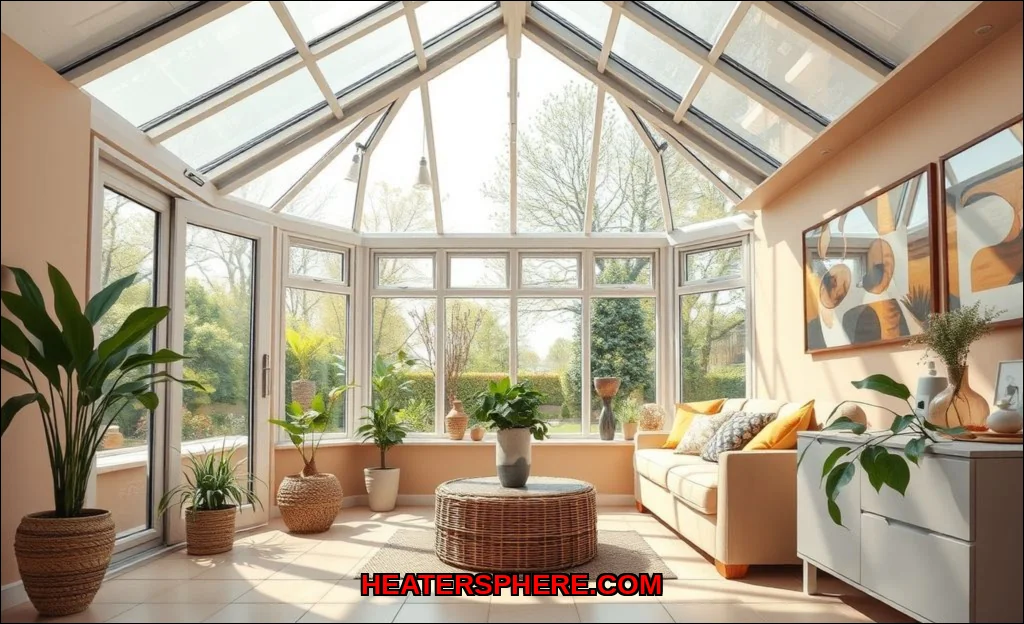
Why Your Conservatory Feels So Cold
Before you spend a penny on heating, know your enemy. Conservatories are notoriously difficult to heat due to their design. They have a huge surface area of glass or polycarbonate, which has very low thermal efficiency. Heat escapes rapidly through these panels, especially at night. Single-glazed units are the worst offenders, but even double glazing can be a thermal weak spot compared to insulated walls.
Another issue is often poor insulation in the roof and at the junction where the conservatory meets the main house. This creates a “thermal bridge,” letting warmth leak out. You’re constantly fighting heat loss, trying to warm a space that’s essentially bleeding warmth. This is the core reason behind the common search for how to stop a conservatory being cold in winter. The other half of this decision is keeping your conservatory cozy.
Seal the Leaks: Insulation and Draught-Proofing First
Your first and most cost-effective move isn’t to add heat, but to keep it in. This is the foundation for an energy efficient conservatory. Think of it as plugging the holes in a bucket before you try to fill it with water.
Target Draughts and Gaps
Draught-proofing is your quick win. Check everywhere: around doors, window vents, and where the structure meets the house. Use self-adhesive foam or rubber seals to block these gaps. Don’t forget keyholes and letterboxes if your conservatory has its own external door. This simple step alone can make a noticeable difference in how to keep conservatory warm.
Upgrade Your Window Dressings
Bare glass is a highway for heat escape. Installing thermal curtains or blinds is a game-changer. Look for ones with a reflective backing that helps bounce heat back into the room. Close them as soon as the sun goes down to create an insulating layer. For polycarbonate roofs, consider a thermal lining. This is a fitted, insulated layer that sits against the roof interior, dramatically reducing heat loss upwardsa missing entity many overlook.
These passive measures are powerful. For more ideas on this approach, explore our guide on how to increase indoor warmth without extra heating.
Choosing the Right Heating Method for Your Space
Once you’ve tightened the ship, you can think about active heating. The best way to heat a conservatory cheaply depends on how you use it. Is it a main living space or an occasional sunroom? Your answer guides your choice.
Portable and Plug-In Solutions
For occasional use, portable heaters offer flexibility and avoid the cost of permanent installation. They’re often the go-to for the cheapest heating for a conservatory UK homeowners consider initially. We go through how to heat a cold conservatory in the morning step by step in a separate article.
- Oil-Filled Radiators: These provide steady, radiant heat and are great for longer periods. They stay warm for a while after being turned off.
- Fan Heaters: They heat a space quickly but can be noisy and are better for short bursts.
- Halogen Heaters: These provide instant radiant heat, perfect for warming you directly in a specific spot.
Remember, an electric heater is 100% efficient at the point of use, but electricity is often more expensive per unit than gas. Use them wisely in the space you’re occupying.
Permanent Heating Options
If your conservatory is a key living area, a permanent solution may be worth the investment.
- Extending Your Central Heating: Adding a radiator from your main system can be effective, but only if your boiler has the capacity. It also means you’re heating the space to the same schedule as the rest of your home, which may not be efficient.
- Electric Underfloor Heating: This provides lovely, even warmth underfoot. Electric mat systems are easier to retrofit than wet systems. The heat rises evenly, reducing cold spots.
- Air-Source Heat Pumps: For a truly modern, efficient solution, consider a mini-split heat pump. It acts as a highly efficient HVAC unit for that single space, providing both heating and cooling. While an upfront investment, its efficiency can make it cheaper to run long-term.
Smart Habits to Retain Heat and Reduce Usage
Technology and insulation do half the job. Your behavior completes it. Small, smart habits are key to reduce heating costs.
Practice zoned heating. Only heat the conservatory when you’re using it. Close the door to the main house to prevent warm air from your home rushing in to try and heat the cold conservatory. This is where a simple thermostat on a plug-in heater or a smart thermostat for a dedicated system is invaluable. It allows precise control.
Use the sun. On bright winter days, open curtains to let solar gain warm the space naturally. Then, as dusk falls, close everything up tight to trap that warmth. For a deeper dive into smart, cost-conscious strategies, our article on improving thermal comfort without raising heating costs offers further tactics.
Long-Term Investments for Permanent Warmth
If you’re committed to year-round use, some upgrades pay dividends over time. These move you from a cheap to heat conservatory to a fundamentally efficient one.
| Investment | What It Does | Key Benefit |
|---|---|---|
| Upgraded Glazing | Replaces single or old double glazing with modern, low-emissivity (Low-E) glass. | Massively reduces the primary source of heat loss. |
| Solid Roof Replacement | Swaps a polycarbonate/glass roof for an insulated, tiled roof. | Transforms the room’s thermal efficiency, making it feel like a true home extension. |
| Floor and Wall Insulation | Ensures the base and dwarf walls are properly insulated during build or retrofit. | Stops heat leaching into the ground and through side panels. |
These are significant projects, but they fundamentally solve the problem. They also add value to your property. For authoritative, independent advice on home heating efficiency, the Energy Saving Trust’s guide to heating your home is an excellent resource.
Putting It All Together
So, should you heat a conservatory? Absolutelyif you want to use it. The secret is to do it intelligently. Start by sealing draughts and adding thermal window dressings. These are low-cost, high-impact steps. Choose a heating method that matches your usage patterns, whether that’s a portable heater for evenings or a permanent system for daily use.
Adopt smart habits like zoned heating and harnessing solar gain. Finally, consider long-term upgrades if the space is a priority. By layering these strategiesinsulation first, efficient heating second, smart control alwaysyou create a warm, inviting conservatory that doesn’t come with a shocking bill. You get your sunny haven back, even in the depths of winter heating season.
