
Heating a large open-plan room evenly feels like a constant battle. You crank up the thermostat, yet one corner is cozy while another remains stubbornly chilly. You’re fighting cold spots, drafts, and the simple physics of heat rising. It’s frustrating, inefficient, and can lead to surprisingly high energy bills.
The good news is you can win this battle. Achieving consistent warmth isn’t about brute force with a bigger heater. It’s about a smarter, layered strategy. You’ll combine the right primary system with clever airflow management and heat retention. Sometimes, a well-placed supplemental heater, like the DREO Space Heater, can be the perfect tactical tool for a specific seating area that never seems to warm up.
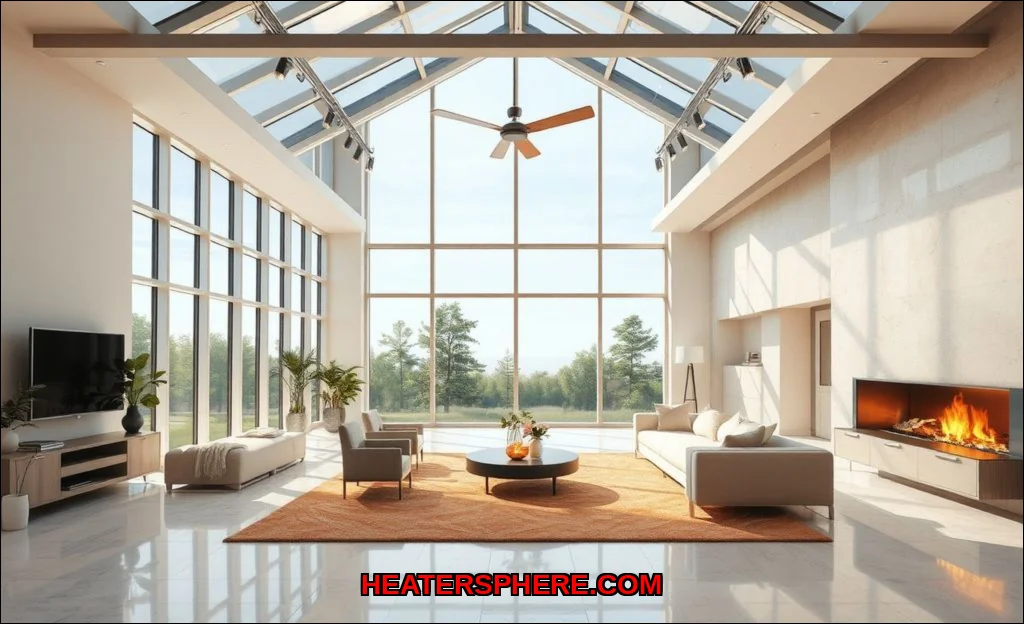
Why Large Open-Plan Rooms Are Hard to Heat
Before diving into solutions, let’s diagnose the problem. Open-plan spaces present unique thermal challenges that standard rooms don’t. The main culprit is volume. You have more cubic feet of air to warm, and heat naturally wants to rise. This leads directly to thermal stratificationwhere warm air pools at the ceiling and cooler air settles at floor level where you live.
Other issues compound this. Large windows and exterior walls create significant surfaces for heat loss. Air currents from doors, poorly sealed windows, or even internal layout can create drafts that disrupt temperature balance. Your primary heating system, designed for smaller, enclosed spaces, often struggles to distribute warmth effectively across the entire zone.
Core Strategy 1: Optimize Your Primary Heating System
Your furnace, heat pump, or boiler is the workhorse. Ensuring it’s set up correctly for the space is your first line of defense. The goal is effective strategic placement of heat sources to counteract the room’s natural cold zones.
Choosing and Positioning Heat Emitters
Not all systems are created equal for large, open areas. Heres a quick comparison of common options:
| System Type | Pros for Open-Plan | Cons/Considerations |
|---|---|---|
| Ducted HVAC/Furnace | Whole-home solution, can be zoned. | Registers must be placed strategically; can struggle with stratification. |
| Heat Pumps (Mini-Split) | Highly efficient, excellent for zone heating. | Single head may not cover entire area; multiple heads recommended. |
| Underfloor Heating | Eliminates cold floors, provides radiant, even warmth. | High installation cost; slower to respond to temperature changes. |
| Radiators | Provides consistent radiant heat. | Requires strategic radiator placement on exterior walls under windows. |
| Wood/Pellet Burners | High heat output, focal point. | Heat is localized; requires airflow to circulate warmth. |
Placement is key. For forced-air systems, ensure supply registers are on exterior walls, particularly under windows, to counteract downdrafts. Returns should be on interior walls. If your system seems to struggle, the issue might be with why some heaters heat rooms unevenly due to design or airflow blockages.
Core Strategy 2: Improve Air Circulation & Manage Airflow
This is your most powerful and often overlooked tool. You can’t stop heat from rising, but you can redirect it. Proper air circulation is the secret to breaking up thermal stratification and solving cold spots.
Harness the Power of Fans
Your ceiling fan isn’t just for summer. Running it on low in a clockwise direction (as you look up at it) during winter gently pulls cool air up and pushes the trapped warm air at the ceiling down and outward along the walls. This is the classic ceiling fans reverse technique. It’s a game-changer for how to stop heat rising in a high ceiling room.
Don’t stop at the ceiling. Strategically placed box fans or floor fans on a low setting can help push warm air from a heat source (like a wood stove) into a colder corner. The goal is to create a gentle, whole-room air movement, not a gusty wind.
Address Drafts and Stagnant Air
Seal obvious drafts around doors and windows first. For forced-air systems, consider simple tools like register boosters or deflectors. These plastic vents attach to your floor or wall registers and help direct airflow across the room instead of straight up, improving even heat distribution.
Core Strategy 3: Retain Heat & Prevent Loss
It’s far cheaper to keep heat in than to generate more. Heat retention measures address the envelope of your room, slowing the escape of the warmth you’ve worked so hard to create.
- Insulate and Seal: Check attic insulation above the room. Ensure weatherstripping on all exterior doors and windows is intact. This is foundational heat loss prevention.
- Use Thermal Curtains: Heavy, lined thermal curtains are incredibly effective. Close them at dusk to create an insulating air barrier over your largest heat-loss surfacesthe windows.
- Consider Area Rugs: If you have hard flooring, large area rugs add insulation underfoot, making the space feel warmer and reducing heat loss through the floor.
- Mind the Humidity: Dry air feels colder. Using a humidifier in winter can raise the moisture level, making the room feel warmer at a lower thermostat setting. It’s a simple trick for cost-effective heating for large rooms.
Advanced Tactics: Zoning, Supplemental Heat & Smart Controls
For ultimate control, layer in technology and targeted heating. This is where you move from basic comfort to optimized efficiency.
Implement Zoning
Zoning means heating different areas independently. In an open plan, this could mean separating the kitchen, dining, and living areas if possible. For ducted systems, this requires motorized dampers and multiple thermostats. For ductless systems like mini-splits, it’s inherenteach head is its own zone. The U.S. Department of Energy has a great resource on the fundamentals of home heating systems and zoning.
Use Supplemental Heating Wisely
Supplemental heating is perfect for addressing persistent cold spots or heating only the occupied zone. Instead of cranking the whole-house system, you warm just the area you’re using.
- Infrared/Quartz Heaters: These heat objects and people directly, like sunshine, rather than the air. They’re excellent for spot-heating a seating area without worrying about heat rising and wasting energy. For more on this type of technology, explore whether ceramic heaters effectively heat larger rooms.
- Energy-Efficient Space Heaters: Modern models with thermostats, timers, and safety features (like tip-over and overheat protection) are reliable tools. Use them to boost warmth in a home office nook or by a drafty reading chair.
Upgrade to Smart Controls
A smart thermostat can learn your schedule and adjust temperatures automatically. Some models even use sensors you can place in the problematic open-plan room itself, ensuring it calls for heat based on the actual living area temperature, not the temperature by the thermostat in a hallway.
Heating a large open-plan room evenly is a puzzle, but every piece has a place. Start by auditing your primary system’s placement and output. Then, actively manage airflow with fans to combat stratification. Fortify the room with insulation, thermal curtains, and rugs to hold the heat in. Finally, consider advanced solutions like zoning or a strategic supplemental heater for fine-tuned control. It’s a holistic approachoptimize, circulate, retain, and target. You’ll create a consistently comfortable space, reduce those annoying cold spots, and likely see a welcome dip in your energy bills. The comfort you want is absolutely within reach.
