
Small box bedrooms often struggle with heat retention. Their compact structure can lead to cold spots and rapid heat loss, making it essential to understand how to combat these issues effectively.
7 Ways to Warm Up a Small Box Bedroom
To warm a small box bedroom, start by sealing drafts and choosing a heater sized for the space. Add insulation with textiles, arrange furniture to retain heat, use warm colors and lighting, and try simple DIY insulation hacks.
Small heaters can warm drafty wooden huts if you block cold air first and use a heater with at least 1,200 watts. If your bedroom is very cold, like a garage conversion, combine sealing drafts with a powerful electric heater and extra insulation.
- Identify and Seal DraftsCheck windows, door frames, and outlets for cold air leaks. Use weatherstripping, caulk, or foam tape to block drafts. Even small gaps let cold air in and waste heat.
- Choose the Right HeaterPick a heater rated for your room size, usually 1,000 to 1,500 watts for a small bedroom. Models with thermostats and multiple heat settings save energy and keep temperature steady.
- Use Textiles for InsulationAdd thick curtains, rugs, and blankets to slow heat loss. Fabrics trap warm air and prevent cold surfaces from chilling the room.
- Optimize Furniture LayoutPlace furniture away from windows and vents to avoid blocking heat flow. Use large pieces near walls to reduce heat loss through the structure.
- Consider Color and LightingWarm colors on walls and soft lighting create a cozy feeling that complements actual warmth. Avoid cold tones that make a room feel chillier.
- Try DIY Insulation HacksCover windows with plastic film, use draft stoppers under doors, and add removable insulation panels. These cost little but improve heat retention significantly.
| Appliance | Watts | Per hour | Per day (8 h) | Per month (30 days) |
|---|---|---|---|---|
| 1,500 W space heater | 1,500 W | 26¢ | $2.04 | $61.20 |
| Heated blanket | 100 W | 1.7¢ | 14¢ | $4.08 |

Start with blocking drafts. Heating a small, cold room is impossible if cold air constantly seeps in. Next, pick a heater with enough power and a thermostat to avoid overheating the space. Use textiles like rugs and curtains to trap heat and stop cold surfaces from chilling the air. Arrange furniture to help keep warm air circulating and away from cold walls or windows. Warm colors and soft lighting add psychological warmth, making the room feel more comfortable. Finally, simple DIY insulation methods like window film and draft stoppers improve heat retention without major renovation.
If your small bedroom is very cold, such as a garage conversion or a wooden hut with poor insulation, no heater alone will be enough. Start with sealing all drafts and adding insulation layers. Then use a high-wattage heater with a thermostat. Consider running the heater in intervals to save energy and avoid overheating. For persistent cold, supplement electric heating with heated blankets or pads for personal warmth while sleeping or sitting.
This approach combines blocking cold air, providing enough heat, trapping warmth, and making the room feel cozy. Each step is necessary to effectively warm a small box bedroom without wasting energy or risking safety.


Identifying and Sealing Drafts
Cold air leaking into your bedroom can undo any heating effort. Check windows and doors first, focusing on gaps around frames and under doors. Even a 1/8-inch crack can let in enough cold air to chill a small room.
- Check Windows and DoorsRun your hand along window and door edges to feel for cold air. Look for cracked or missing weather stripping and worn-out seals.
- Seal Gaps with Weather Stripping and CaulkApply adhesive foam weather stripping to door bottoms and window sashes. Use caulk to fill cracks around window frames and door trim. Silicone caulk works well for gaps larger than 1/4 inch.
- Inspect Electrical Outlets and SwitchesRemove outlet covers and feel for drafts inside. Outlet gaskets and foam sealers are inexpensive fixes that reduce cold air intrusion from wall cavities.
Keep your bedroom warm overnight to avoid dampness and discomfort. A consistently warm room also helps your heater work more efficiently by preventing temperature swings that waste energy.
Choosing the Right Heater for Your Space
An oil-filled radiator set on low can warm a small room steadily. It heats the oil inside, which stays warm and radiates heat even after the heater cycles off. This makes oil heaters good for all-night use.
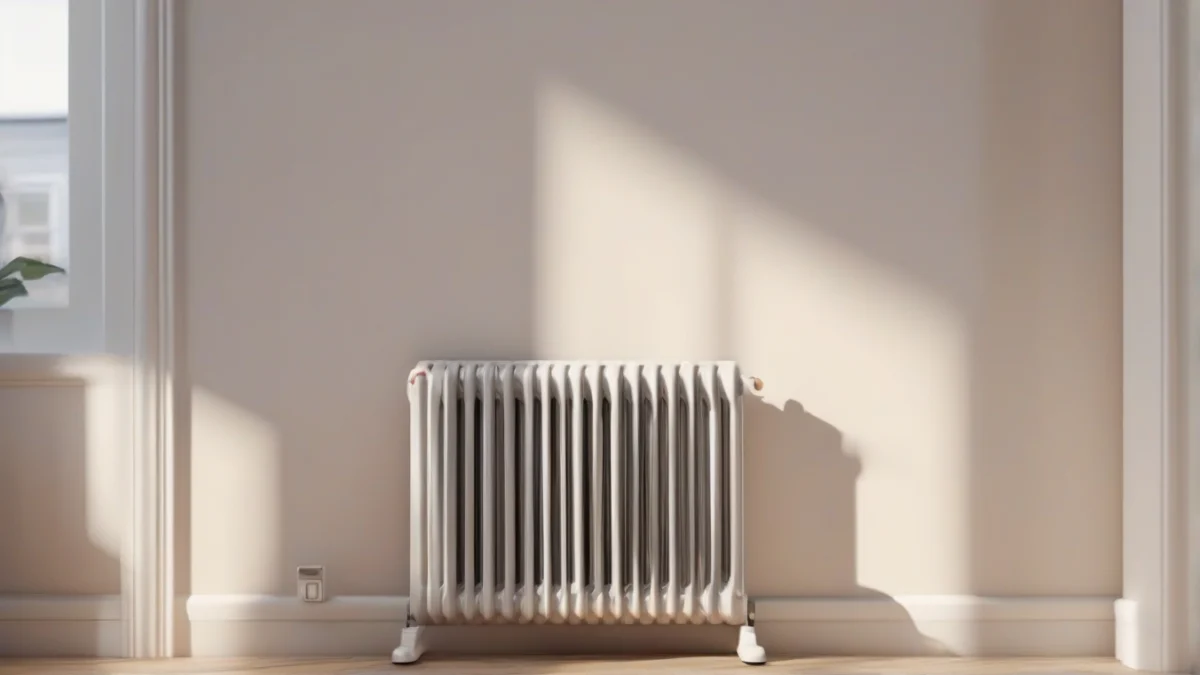
There are three main types of electric heaters for bedrooms: radiant, ceramic, and oil-filled. Radiant heaters warm objects directly in front of them but don’t circulate heat well. Ceramic heaters use a fan to spread warm air quickly. Oil-filled heaters provide steady, quiet warmth over time.
- Consider Heater TypesPick a ceramic heater for quick heat in a small room you use briefly. Choose oil-filled for longer, quieter heating. Radiant heaters work best if you want focused warmth near you.
- Check Safety FeaturesLook for tip-over protection and overheat shut-off. UL or ETL certification ensures the heater meets safety standards. Never use an extension cord; plug directly into a wall outlet.
- Place the Heater ProperlyPut the heater on a flat, hard surface away from flammable items. Keep at least 3 feet of clearance on all sides. Position near a doorway or vent to help circulate warm air throughout the room.
- Small to medium bedrooms up to 150 sq ft
- Quiet operation with brushless motor
- Multiple safety features including tip-over and overheat protection
- Heavier than ceramic models, less portable
- Not the fastest to heat a room from cold
Choosing the right heater depends on your heating pattern. For quick bursts, a ceramic heater is efficient. For steady overnight warmth, oil-filled models excel. Radiant heaters suit spot heating but won’t warm the whole room evenly.
Proper placement and safety checks prevent accidents and maximize comfort. Avoid blocking heaters with furniture or curtains. Regularly inspect cords and plugs for damage.
Using Textiles for Insulation
A sunless bedroom stays cold because it lacks natural heat from sunlight. Textiles add insulation and trap body heat to compensate. Choose rugs, curtains and bedding with warmth in mind.

- Layer Rugs for Floor InsulationTile or hardwood floors lose heat quickly. Use a thick rug or layer several rugs to add insulation. This raises floor temperature by blocking cold coming up and reduces heat loss through the floor.
- Use Thermal CurtainsThermal curtains have a dense backing that blocks cold air leaking through windows. Close them at dusk and open them during any daylight hours to trap heat inside the room.
- Choose Warm BeddingSelect bedding with insulating materials. Wool, fleece or down comforters hold heat well. Avoid thin cotton sheets alone on cold nights; add a blanket or heated blanket for extra warmth.
Optimizing Furniture Layout
Furniture placement affects how heat spreads in a small room. Blocked vents or heaters reduce warmth. Leaving space around furniture helps air circulate and keeps insulation working.
- Avoid Blocking Vents and HeatersKeep at least 3 feet of clearance around heaters and vents. Obstructions reduce heat flow and can cause overheating of the heater.
- Leave Space Between Large Furniture and WallsPull larger pieces like dressers or beds slightly away from exterior walls. This prevents cold walls from cooling the furniture and the air trapped behind it.
- Create Airflow PathwaysArrange furniture to allow warm air to circulate freely. Position seating and beds where heat from the heater reaches them directly without barriers.
Furniture layout works best with DIY insulation hacks like sealing drafts or adding foam behind baseboards. Together these steps improve overall room warmth efficiently.
For more on insulating a small room, see how to insulate a tiny box room for comfort.
DIY Insulation Hacks for Small Bedrooms
Insulating a tiny box room starts with blocking cold air where it sneaks in. Even small gaps around windows, outlets and switches can let in drafts that sap warmth.
- Install Window FilmApply clear window insulation film on cold window panes. It creates an air barrier that reduces heat loss. Use a hair dryer to shrink the film tight for a nearly invisible shield. This simple step lasts a full heating season and avoids drafts.
- Seal Outlets and SwitchesRemove outlet covers and use foam gaskets or sealant to block drafts behind them. Electrical boxes often have gaps that let in cold air. Replace covers carefully and test that switches and outlets still work properly.
- Use Removable Caulk on Window FramesApply removable caulk or weatherstripping around window edges. It fills cracks but can be peeled off easily in warmer months. This flexible seal blocks cold air without damaging paint or window trim.
Frequently Asked Questions
How can I insulate my small bedroom cheaply?
What type of space heater is best for a small room?
How do I keep my bedroom warm overnight?
Can I use a propane heater in my bedroom?
What materials are best for drafts?
How do I prevent heat loss through windows?
We cover fixing chilly spots in its own guide.
It helps to understand how to warm a cold guest bedroom fast before spending anything.
