
A cold guest bedroom can leave a poor impression on visitors. Fortunately, you can quickly transform it into a warm and inviting space with the right strategies.
How to Warm a Cold Guest Bedroom Fast
To warm a cold guest bedroom fast, use a portable electric heater with thermostat control and block drafts at windows and doors. Upstairs bedrooms often get cold because heat rises, leaving upper floors cooler, and because of poor insulation or air leaks.
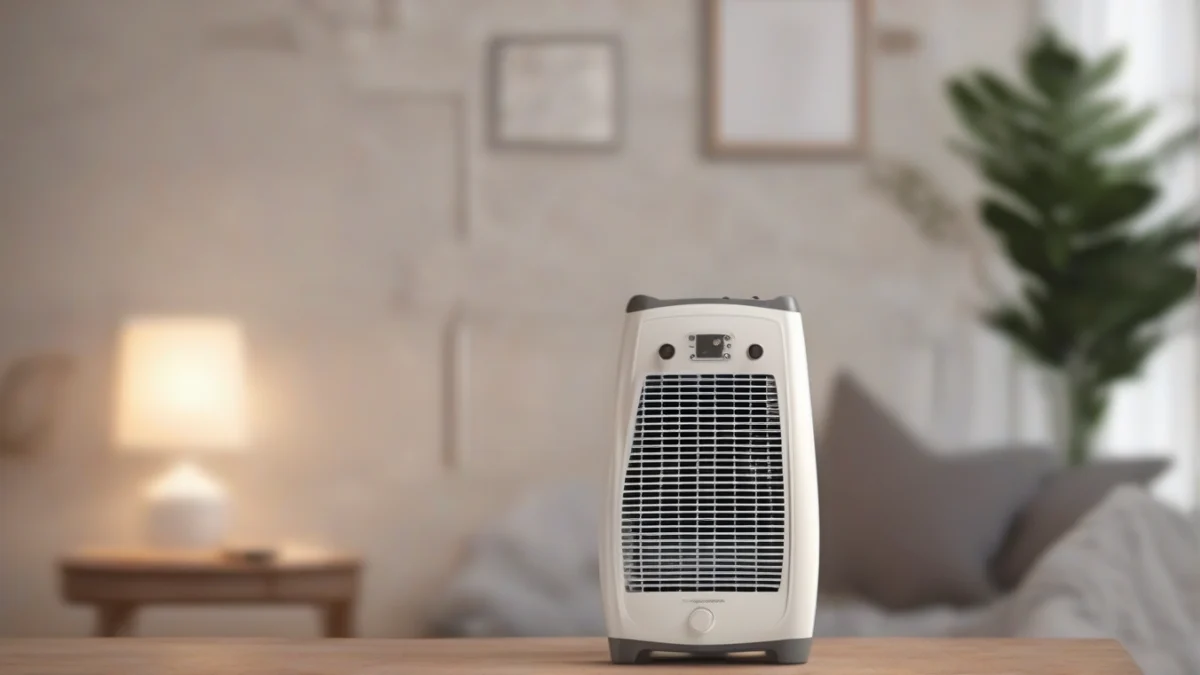
Start by plugging in a 1,500-watt space heater like the DREO model with adjustable thermostat and safety features. Place it near the center of the room with clear space around it. Close curtains and seal any gaps around windows and doors with draft stoppers or weather stripping to keep warm air in.
- Plug in a Portable HeaterChoose a 1,500 W heater with thermostat control. Place it away from furniture and curtains. Turn it on to a comfortable temperature.
- Seal DraftsUse draft stoppers on doors and apply weather stripping around windows. Close curtains tightly to reduce heat loss.
- Add Temporary InsulationHang heavy blankets over windows or use removable plastic film to reduce cold air infiltration.
- Use Rugs or CarpetsCover bare floors to prevent cold from radiating up through the floor surface.

Upstairs bedrooms get cold in winter mainly because heat rises to lower floors and because of common construction issues like thin insulation in walls and ceilings, and leaks around windows and doors. These factors let warm air escape and cold air enter, making the room chillier.
| Appliance | Watts | Per hour | Per day (8 h) | Per month (1 days) |
|---|---|---|---|---|
| 1,500 W space heater | 1,500 W | 26¢ | $2.04 | $2.04 |
| Heated blanket | 100 W | 1.7¢ | 14¢ | 14¢ |
Using a space heater is the fastest way to raise the temperature in a cold guest bedroom. Supplement it with draft-proofing steps to keep the warmth inside. This combination creates a comfortable environment quickly and safely.

Reasons Your Guest Bedroom Stays Cold
Many guest bedrooms get cold because of poor insulation or drafty windows. Walls and ceilings that lack proper insulation let heat escape quickly. Single-pane or poorly sealed windows allow cold air to enter and warm air to leak out.
Upstairs bedrooms often feel colder because heat rises and may not reach them efficiently. If the room is above an unheated garage or attic, cold air from those spaces can seep in through the floor or walls, making the room much colder.
Inefficient heating systems also cause cold rooms. Older furnaces, blocked vents, or radiators may fail to deliver enough heat to the guest bedroom. Sometimes the thermostat does not sense the temperature in the room properly, leading to underheating.
Cold air circulation from the attic can also chill the room. Attics are often poorly insulated and ventilated, allowing cold air to move down through cracks in the ceiling or walls.
| Cause | How to Identify | Solution |
|---|---|---|
| Poor insulation | Walls or ceilings feel cold to touch; cold drafts near windows | Add insulation; replace or seal windows |
| Inefficient heating | Room stays cold despite heat on; vents blocked or cold | Clean vents; repair or upgrade heating |
| Cold air from garage | Floor feels cold; cold air seeps upwards | Insulate garage ceiling; seal gaps |
| Cold air from attic | Ceiling or upper walls cold; drafts near ceiling | Insulate attic; seal ceiling cracks |
Quick Draft Proofing Techniques
Draft-proofing is the fastest way to stop cold air from entering and keep heat inside your guest bedroom. First, identify drafts by feeling for cold air near windows, doors, baseboards, and electrical outlets.
- Check for draftsOn a cold day, hold your hand near window edges, door frames, and baseboards to feel for cold air moving in.
- Use draft stoppersPlace draft snakes or rolled towels at the bottom of doors to block cold air from entering.
- Seal window gapsApply weatherstripping or adhesive foam tape around window sashes and frames to close gaps.
- Cover windowsUse thermal curtains or plastic window film to reduce heat loss through glass.
- Seal outlet and switch platesInstall foam gaskets behind outlet covers to block drafts through electrical boxes.
Fixing cold guests means ensuring a warm, safe room. Draft-proofing helps maintain steady heat, so the heater does not have to work overtime. Keeping bedrooms warm overnight prevents stiff muscles and discomfort, supporting better rest.
For more on heating guest rooms effectively, see How to Heat a Cold Guest Room Fast & Effectively.
Layering for Maximum Warmth
To warm a cold bedroom quickly, start with the bed. Bedding that traps heat close to the body makes the biggest difference. Wool blankets, flannel sheets, and down comforters hold warmth better than cotton or synthetic blends.
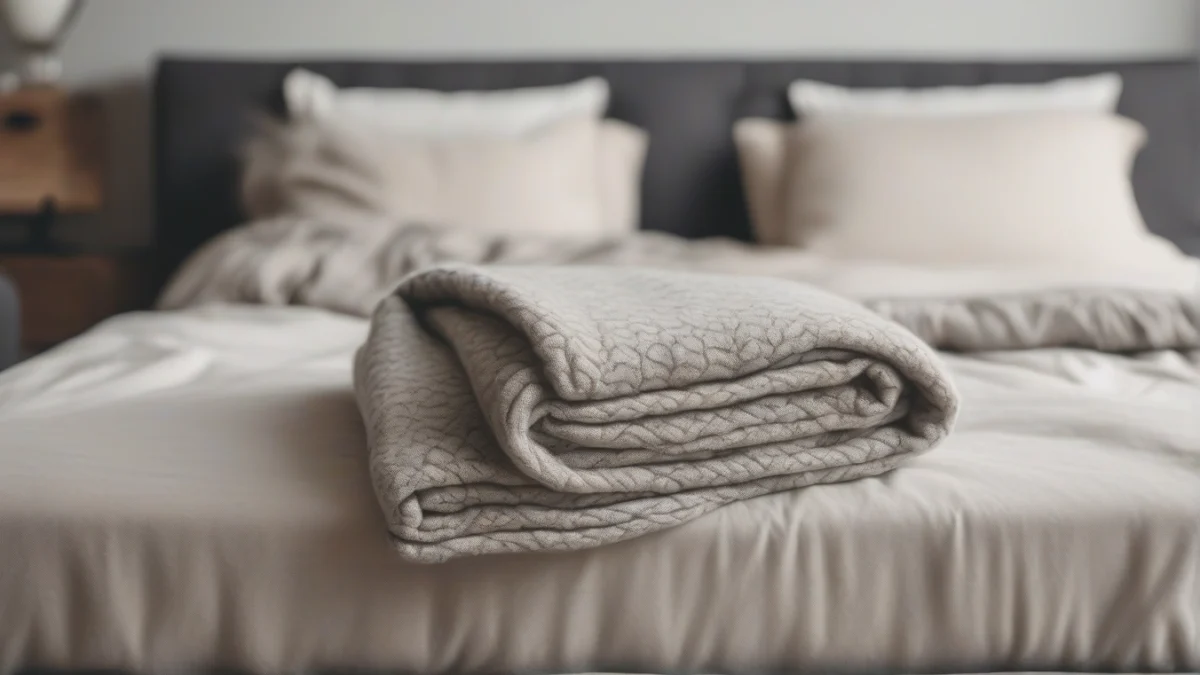
Layering bedding adds insulation by trapping air between layers. Begin with a fitted flannel sheet, add a wool blanket, then a down comforter on top. This combination blocks heat loss and keeps the bed warm longer.
Add a thick mattress pad or topper to slow heat loss through the mattress. Use multiple pillows with warm pillowcases, preferably flannel or fleece. A bed with these layers can feel warmer instantly, even if the room is cold.
- Choose the right beddingPick flannel sheets, a wool blanket, and a down comforter for maximum heat retention.
- Layer strategicallyStart with the fitted sheet, add the blanket, then the comforter, adjusting for comfort.
- Add accessoriesUse a mattress pad and warm pillowcases to reduce heat loss from below and around the head.
Warm pajamas and socks help maintain body heat overnight. Cotton pajamas wick moisture but don’t trap heat well. Opt for fleece or thermal sleepwear for better insulation. Thick socks prevent heat loss through feet, which can cool the whole body.
Maintaining Comfort Overnight
To warm up a cold bedroom before bed, run a portable heater with a thermostat for 15 to 30 minutes. This raises the temperature safely and quickly. Turn it off or set it to a low setting before guests sleep to avoid safety risks.
Keep the room comfortable by maintaining a temperature around 65 to 70°F overnight. Use a programmable heater or thermostat to avoid overheating. Good ventilation prevents stuffiness but close windows and doors to retain warmth.
Place a humidifier in the room if the air feels dry. Dry air can feel colder and irritate skin and sinuses. A small humidifier safely adds moisture without raising temperature.
Check on guests the next morning to adjust bedding or heating as needed. If the room is still cold, add an extra blanket or run the heater for a short period before guests get up.
Frequently Asked Questions
What is the best type of heater for a cold guest bedroom?
How can I tell if my bedroom has drafts?
What should I do if my space heater trips the breaker?
How can I keep my guest bedroom warm overnight?
Are there any safety tips for using a space heater?
What bedding materials are best for warmth?
We cover eliminating cold drafts in its own guide.
Before you buy anything, it is worth looking at effective heating solutions.
