
A cold bedroom can make falling asleep difficult and disrupt your rest. Fortunately, you can use targeted strategies to warm your space effectively without raising your energy bills.
How to Warm Up a Cold Bedroom Before Bed
Cold bedrooms often result from poor insulation, drafts, or heat rising to lower floors. To warm your bedroom before bed, start by blocking drafts and using a portable electric heater with safety features for quick heat. Combine these with long-term fixes like sealing gaps and adding insulation to keep the room warm.
Upstairs bedrooms get cold because heat rises downstairs, and ceilings or walls may lack insulation, especially in finished garage ceilings or attic conversions. These rooms lose heat faster through poorly insulated surfaces, making them feel colder in winter.
If your bedroom is very cold near a finished garage ceiling, it’s likely due to insufficient insulation or air leaks between the garage and living space. Adding insulation above the ceiling and sealing gaps can reduce heat loss. Meanwhile, use a space heater to provide immediate warmth.
- Block DraftsCheck windows, doors, and vents for cold air leaks. Use weatherstripping or draft stoppers on doors and seal window gaps with plastic film or caulk.
- Use a Portable HeaterPlace a portable electric heater near your bed or seating area to provide quick, focused warmth. Adjust the thermostat for comfort and set timers to avoid running all night.
- Improve InsulationAdd insulation to exterior walls, ceilings, and floors if possible. Focus on common weak spots like attic access or finished garage ceilings.
- Use Heavy CurtainsInstall thick thermal curtains to reduce heat loss through windows at night.

Immediate solutions include draft-proofing and using a small space heater that warms air quickly. Long-term strategies focus on improving insulation and sealing leaks to prevent heat loss. These steps together ensure your bedroom stays warm and comfortable before bed and through the night.
| Appliance | Watts | Per hour | Per day (8 h) | Per month (30 days) |
|---|---|---|---|---|
| 1,500 W space heater | 1,500 W | 26¢ | $2.04 | $61.20 |
| Heated blanket | 100 W | 1.7¢ | 14¢ | $4.08 |

Understanding Why Your Bedroom Gets Cold
Upstairs bedrooms often feel colder in winter because heat rises to upper floors, leaving them cooler than the main living areas. This natural movement of warm air means the lower floors trap more heat while the upper rooms lose it quickly, especially at night.
Temperature drops at night add to the chill. As the sun goes down, outdoor temperatures fall, and heat escapes through walls, windows, and ceilings. Without active heating or proper insulation, bedrooms can lose warmth fast after sunset.
Poor insulation and drafts are common culprits. Gaps around windows, doors, and in the attic let cold air seep in and warm air escape. Even small leaks can make a big difference, causing uneven temperatures and cold spots in a bedroom.
Humidity also affects how cold a room feels. Dry air tends to feel cooler, even at the same temperature, because it draws moisture and heat from your skin. Maintaining moderate humidity between 30% and 50% helps the air feel warmer and more comfortable.
Identifying drafts is a key step. Check for cold air near windows, baseboards, and electrical outlets by feeling with your hand or using a lit incense stick to see if smoke moves. Sealing these leaks can prevent cold air from entering and keep warmth inside.
Some bedrooms may have older or single-pane windows that lose heat faster. Upgrading to double-pane or adding storm windows can cut heat loss. Heavy curtains also help block drafts and retain warmth around windows.
The floor type matters too. Bare wood or tile floors feel colder than carpeted ones because they conduct heat away from your body faster. Adding rugs or carpet can improve warmth perception in the bedroom.
For a cold bedroom, start by pinpointing these issues. Look for drafts, check insulation levels, and monitor humidity. Understanding the cause guides the right fix, whether it’s sealing leaks, adding insulation, or using a heater designed for bedrooms.
Learn more about warming specific bedroom types, like bay window or attic rooms, in related guides for targeted advice and product picks. For example, see how to warm a cold bay window bedroom or a cold attic playroomwarm a cold bay window bedroom.
Immediate Warming Techniques
Start warming your bedroom quickly with a portable heater. If your bedroom is very cold, like one above a garage or an unheated basement, a portable electric heater is the fastest way to raise the temperature before bed.
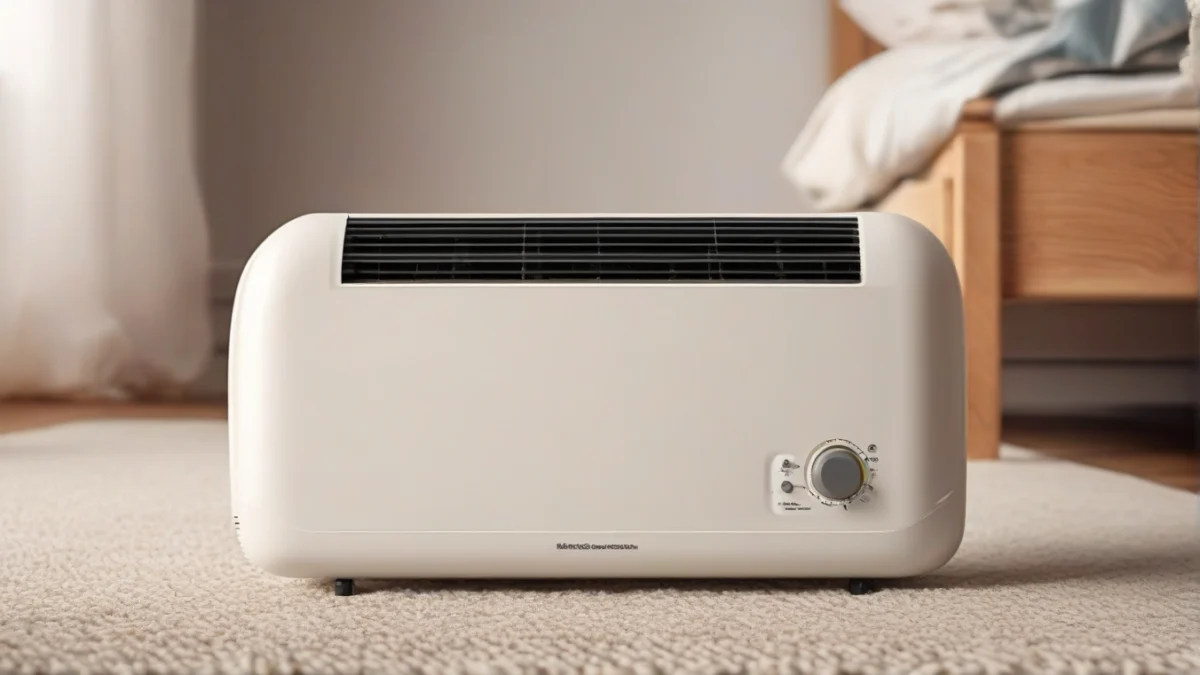
- Set Up a Portable HeaterChoose a heater with a thermostat and timer. Place it on a flat, stable surface at least 3 feet from walls, bedding, and curtains. Turn it on 30 to 60 minutes before bedtime to let the heat spread evenly. Avoid extension cords and power strips; plug it directly into a wall outlet.
- Seal Drafts QuicklyUse weatherstripping or draft stoppers on windows and doors. Close vents or gaps where cold air seeps in. Even small leaks let cold air in and warm air out, making heaters work harder.
- Use Thermal CurtainsClose thermal or insulated curtains at least an hour before bed to block cold from windows. These curtains reduce heat loss by up to 25% and keep warm air inside longer.
- Add Humidity to the AirUse a humidifier or place a bowl of water near the heater. Moist air feels warmer than dry air. Aim for indoor humidity between 30% and 50% to improve comfort without encouraging mold.
| Appliance | Watts | Per hour | Per day (1 h) | Per month (1 days) |
|---|---|---|---|---|
| 1,500 W space heater | 1,500 W | 26¢ | 26¢ | 26¢ |
| Heated blanket | 100 W | 1.7¢ | 1.7¢ | 1.7¢ |
Long-Term Solutions for a Warmer Bedroom
Improving your bedroom’s warmth over the long term means fixing the root causes of heat loss and managing heat flow. Start by upgrading insulation and windows to reduce drafts and retain heat.
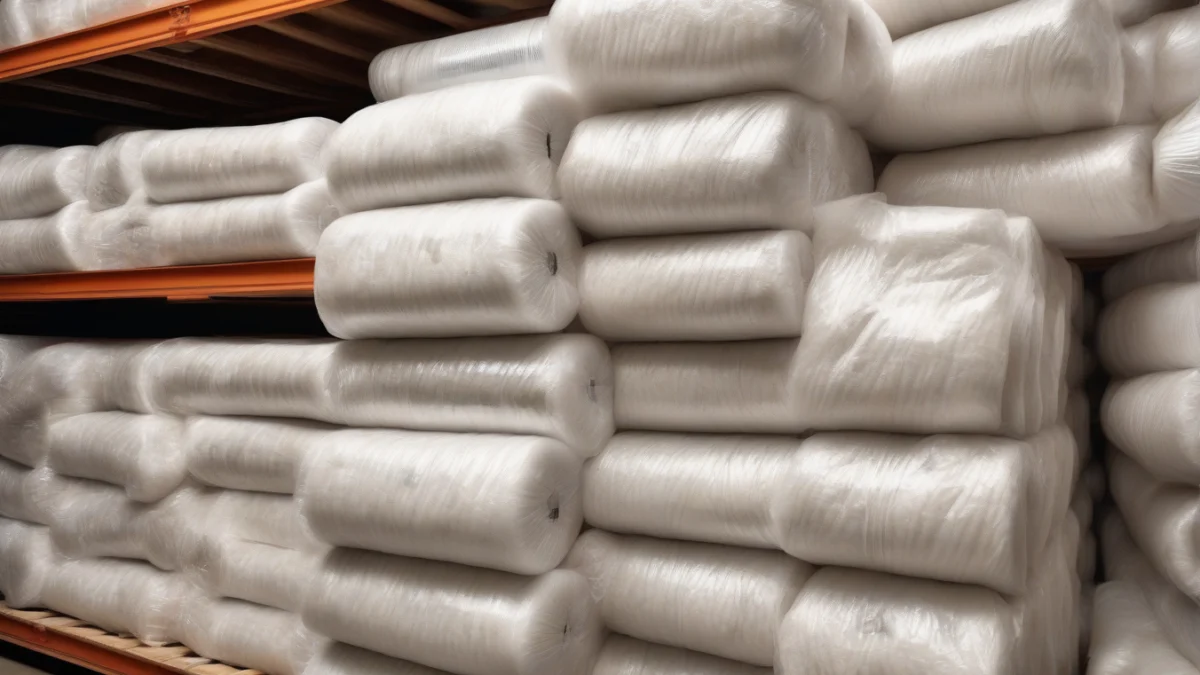
Insulation in walls, ceilings, and floors slows heat transfer. Look for areas with thin or missing insulation, especially in older homes. Adding fiberglass batts or spray foam can raise the R-value, which measures resistance to heat flow. The higher the R-value, the better the insulation. For bedrooms above unheated spaces like garages or crawl spaces, floor insulation is critical.
Windows are a major source of heat loss. Single-pane windows lose more heat than double- or triple-pane models with low-emissivity coatings. Installing energy-efficient windows can cut heat loss by 30% or more. If replacement is not an option, use heavy thermal curtains or window insulation film to add a barrier against cold air.
Smart thermostats allow precise control of your bedroom’s temperature. Set a schedule that warms the room 30 to 60 minutes before bedtime, then lowers the heat after you fall asleep. This avoids wasting energy heating an empty room all day. Many smart thermostats learn your habits and adjust automatically for comfort and efficiency.
Place your bedroom furniture to help keep warmth where you need it. Avoid blocking heating vents or radiators with beds, dressers, or curtains. Position your bed away from exterior walls and windows, which tend to be colder. Adding a thick rug on the floor cuts cold drafts rising from beneath and makes the room feel warmer.
Here are three practical steps to improve your bedroom warmth long term:
- Check and upgrade insulation in walls, ceilings, and floors. Aim for at least R-13 in walls and R-30 in ceilings.
- Replace single-pane windows with double- or triple-pane models, or apply window insulation film and use thermal curtains.
- Use a smart thermostat to schedule heating that matches your bedtime routine and avoid overheating the room during the day.
Safety Considerations When Heating Your Bedroom
Space heaters need careful handling to avoid fire hazards. Plug a heater directly into a wall outlet; never use extension cords or power strips, which can overheat. Keep at least 3 feet of clearance from furniture, curtains and bedding. Choose models with tip-over and overheat protection, and look for UL, ETL or CSA certification. Do not leave the heater running unattended or while sleeping unless the manual explicitly permits it.
Electric blankets and heating pads require inspection before use. Check for frayed cords, damaged plugs or worn fabric. Never fold or bunch them while turned on, and avoid using pins to secure them. Follow the manufacturer’s auto shut-off recommendations. Replace any electric blanket or pad that shows damage rather than attempting repairs.
Persistent cold despite your efforts might signal insulation problems, heating system issues or ventilation flaws. These require a professional assessment. A licensed plumber or HVAC technician can inspect heating equipment, ductwork and insulation. Calling a professional ensures safe and effective long-term warmth.
- Check for Obvious Heater HazardsInspect the heater’s cord and plug for damage. Make sure the heater sits on a stable, flat surface with no nearby combustibles.
- Inspect Electric Blankets and PadsLook for frayed wiring or fabric damage. Do not use if any defect exists.
- Use Carbon Monoxide Alarms with Fuel-HeatersIf using an indoor-rated propane or kerosene heater, ensure ventilation and a working CO alarm.
- Call a Professional When NeededIf your bedroom remains cold after blocking drafts and using heaters safely, schedule an expert inspection.
Following these safety steps protects your home and health while you warm your bedroom. Combine them with effective heating strategies for comfort without risk.
Frequently Asked Questions
What are the best types of space heaters for bedrooms?
How can I tell if my insulation is inadequate?
What should I do if my space heater trips the breaker?
How can I improve air circulation in my bedroom?
What is the most energy-efficient way to heat a bedroom?
How often should I check my heating equipment for safety?
We cover fixing chilly spots in its own guide.
For the detail, see our notes on no-sunlight room warming tips.
