
Cold corners in a room can create uncomfortable living conditions, making it feel like a different climate zone. Understanding the causes and implementing targeted fixes can significantly improve your home’s comfort and energy efficiency.
How to Fix Cold Corners in a Room
Cold corners form because heat rises and air circulation is weakest near walls and floors, causing those spots to stay chilly. To fix cold corners, find drafts, improve airflow, add insulation or draft-proofing, and use a portable heater for targeted warmth.
Cold corners happen when warm air doesn’t reach tight spaces. Walls, windows, and floors lose heat, especially if insulation or sealing is poor. Air circulation stalls near corners, so warm air from vents or heaters doesn’t spread evenly.
Start by checking for drafts around windows, baseboards, and electrical outlets. Seal gaps with weatherstripping or caulk to stop cold air from entering. This simple step cuts heat loss and reduces the chill in corners.
- Identify Drafts and Insulation GapsInspect corners for cold air leaks using your hand or a candle flame. Seal visible gaps with weatherstripping, caulk, or foam. Check insulation levels in exterior walls if accessible.
- Improve Airflow Around the RoomUse fans or adjust vents to push warm air toward cold corners. Avoid blocking vents with furniture or heavy curtains. Better airflow helps distribute heat evenly and prevents cold spots.
- Add Supplemental Heat Where NeededUse a portable electric heater designed for indoor use to warm cold corners directly. Position it safely with clearance and on a stable surface. Set the thermostat to maintain comfortable warmth without wasting energy.
- Consider Long-Term Insulation UpgradesAdd insulation inside walls or under floors if cold corners persist. Draft-proof windows and replace damaged weatherstripping. These upgrades keep heat in and cold air out for lasting comfort.

| Appliance | Watts | Per hour | Per day (8 h) | Per month (30 days) |
|---|---|---|---|---|
| 1,500 W space heater | 1,500 W | 26¢ | $2.04 | $61.20 |
| Heated blanket | 100 W | 1.7¢ | 14¢ | $4.08 |
Understanding the Causes of Cold Corners
Cold corners happen because heat moves unevenly and air doesn’t circulate well near walls and floors. One corner may always feel colder because heat rises and cooler air sinks, collecting in low spots with poor airflow.
Thermal bridging is a key cause. It occurs when a material that conducts heat, like a metal wall stud or concrete slab, creates a path for heat to escape through walls or floors. This loss cools the surfaces around it, making corners feel colder than the rest of the room.
- Spot Thermal BridgesLook for cold spots on walls or floors near corners, especially where framing or concrete is exposed or thin. These are often colder because heat escapes faster there.
- Check Airflow PatternsNotice how air moves in the room. Cold corners often line up with spots where air circulation is weakest, such as behind furniture or near closed doors and windows.
Insulation deficiencies worsen cold corners. Missing or compressed insulation in walls or floors lets heat leak out. Older homes often lack insulation in corners or have gaps around window frames and baseboards.
Drafts also cause cold spots. Cold air seeps in through cracks around windows, doors, electrical outlets, and quarter round molding at floor edges. This continuous influx of cold air keeps corners chilly, especially in winter.
Quick Fixes for Immediate Relief
- Rearrange FurnitureMove large furniture away from cold corners. Blocking airflow traps cold air, so allowing space for warm air to circulate helps heat reach corners faster.
- Use Air Register DeflectorsInstall deflectors on heating vents that blow air away from walls and corners. Redirecting warm air toward cold spots improves circulation and raises temperature in those areas.
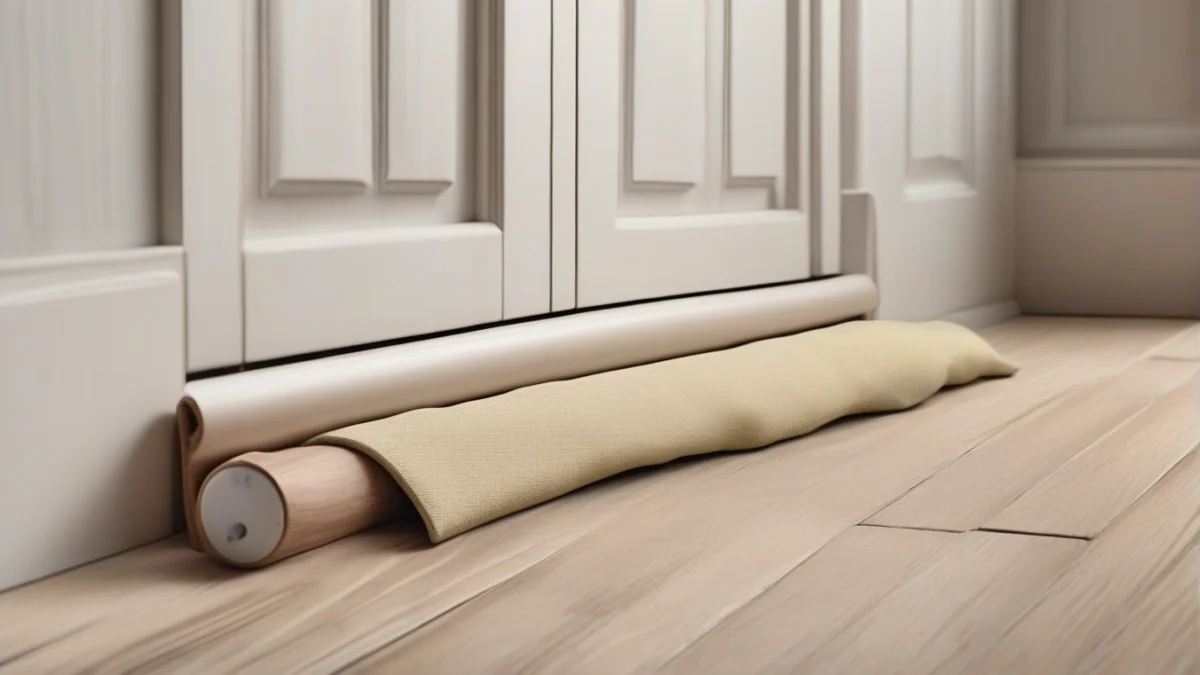
- Install Draft StoppersPlace draft stoppers or weatherstripping along baseboards, window sills, and under doors. Focus on quarter round edges where cold air leaks in to reduce drafts and keep corners warmer.
Frozen cold corners often mean moisture condenses and freezes because of cold surfaces and poor airflow. Quick fixes like improving circulation and sealing drafts reduce moisture buildup and prevent freezing.
These steps provide immediate warmth without major work. For persistent cold corners, combine quick fixes with insulation upgrades or supplemental heating for better results.
Long-Term Solutions for Cold Corners
Upgrading insulation is the most effective long-term fix for cold corners. Walls and attics often lack enough insulation to keep heat from escaping or cold air from seeping in. Adding insulation reduces heat loss through the building envelope, directly warming the coldest spots.

- Check Existing InsulationInspect walls and attic spaces near the cold corners. Look for thin, compressed, or missing insulation.
- Add or Replace InsulationInstall higher R-value insulation such as spray foam, rigid foam boards, or blown-in cellulose to improve thermal resistance.
- Seal Gaps and CracksBefore insulating, seal any air leaks with caulk or foam sealant to prevent drafts from undermining insulation.
Treating a cold spot in a room corner means addressing both the surface temperature and airflow. Insulation upgrades raise surface temperatures, while sealing air leaks stops cold drafts. Together they stop condensation and mold growth risks.
Sealing air leaks around windows, baseboards, electrical outlets, and where walls meet floors or ceilings prevents cold air from entering. Use weatherstripping, foam gaskets, or caulk. This step complements insulation and often gives quick noticeable improvement.
Ductwork problems can cause cold corners even if insulation and sealing are adequate. Leaky or poorly routed ducts lose heated air before it reaches the room. Uneven airflow leaves some corners colder.
- Inspect Ducts for LeaksLook for disconnected joints, holes, or crushed sections in ducts supplying the room.
- Seal and Insulate DuctsUse UL-approved mastic sealant and duct insulation to improve efficiency and maintain warm air temperature.
- Balance AirflowAdjust or add vents and dampers to distribute warm air evenly, avoiding dead spots in corners.
Consulting a heating and cooling professional is wise for ductwork evaluation and complex insulation upgrades. They can perform blower door tests to find leaks and recommend the best insulation materials and installation methods for your home.
Professional help ensures compliance with local building codes and prevents common problems like moisture buildup or improper ventilation. It also saves time and potential costly repairs from DIY errors.
For more on heating cold corners with supplemental heat, see our guide on Best Heaters for Cold Corners in Your Room.
When to Call a Professional
A noticeably cold corner on the floor often signals more than poor airflow. It can mean missing insulation, moisture problems, or air leaks behind the wall or under the floor. If one corner feels much colder than the rest of the room, that’s a sign to investigate deeper.
Rooms off staircase landings are prone to cold spots because warm air rises upstairs, leaving the landing and adjacent rooms colder. Fixing this may require sealing gaps, adding insulation, or improving ductwork balance, all tasks a professional can handle safely and accurately.
Professionals use diagnostic tools like infrared cameras to spot hidden drafts and cold spots in insulation. They can perform blower door tests to measure how much outside air leaks in, which helps target the problem areas precisely.
If you suspect duct problems—uneven heating, weak airflow, or cold corners near vents—consult an HVAC technician. They check for blocked or leaky ducts and can adjust or upgrade your system to balance heat distribution.
- Identify Unusual Cold SpotsCheck if one corner or area is significantly colder than the rest of the room or house.
- Look for Moisture or MoldCold corners with dampness or mold suggest insulation or ventilation issues needing expert evaluation.
- Schedule a Professional InspectionHire a qualified insulation contractor or HVAC technician to perform diagnostic tests and recommend fixes.
- Consider System UpgradesAsk about duct sealing, insulation upgrades, or adding zoned heating to improve comfort and efficiency.
Choosing Supplemental Heat for Cold Corners
The best heater for a cold corner of a bedroom is one that fits the space, heats quickly, and has multiple safety features. Portable electric heaters with thermostats and tip-over protection work well because they deliver targeted warmth without risk.
Cold corners often lack airflow, so choose a heater designed to circulate warm air efficiently. Models with fans or advanced heat funnel designs push heat farther into the room, helping eliminate the chill in corners.
Safety is key. Look for heaters with automatic shut-off if tipped over or overheated. Avoid using extension cords; plug heaters directly into wall outlets and keep at least 3 feet clearance from furniture and curtains.
- Measure the SpaceKnow the square footage of your cold corner to select a heater with appropriate wattage, typically 1,500 watts for up to 150 square feet.
- Check Safety FeaturesChoose heaters with tip-over and overheat protection and certifications like UL or ETL.
- Select Heater TypePick ceramic or PTC heaters for fast, even heat and quiet operation in bedrooms.
- Position Heater ProperlyPlace the heater near the cold corner but away from walls and obstructions to maximize airflow and safety.
