
Heat loss through an open chimney can significantly increase your energy bills, especially in older UK homes. An unused chimney can act like a vacuum, drawing warm air out and letting cold air in, making it essential to address this issue.
How to Stop Heat Escaping Through Your Chimney UK
Heat escapes through an unused chimney because it acts like a vertical open channel, allowing warm air from inside your home to rise and exit, pulling cold air in from outside. To stop this, you need to seal the chimney flue tightly when it’s not in use, preventing heat loss and drafts.
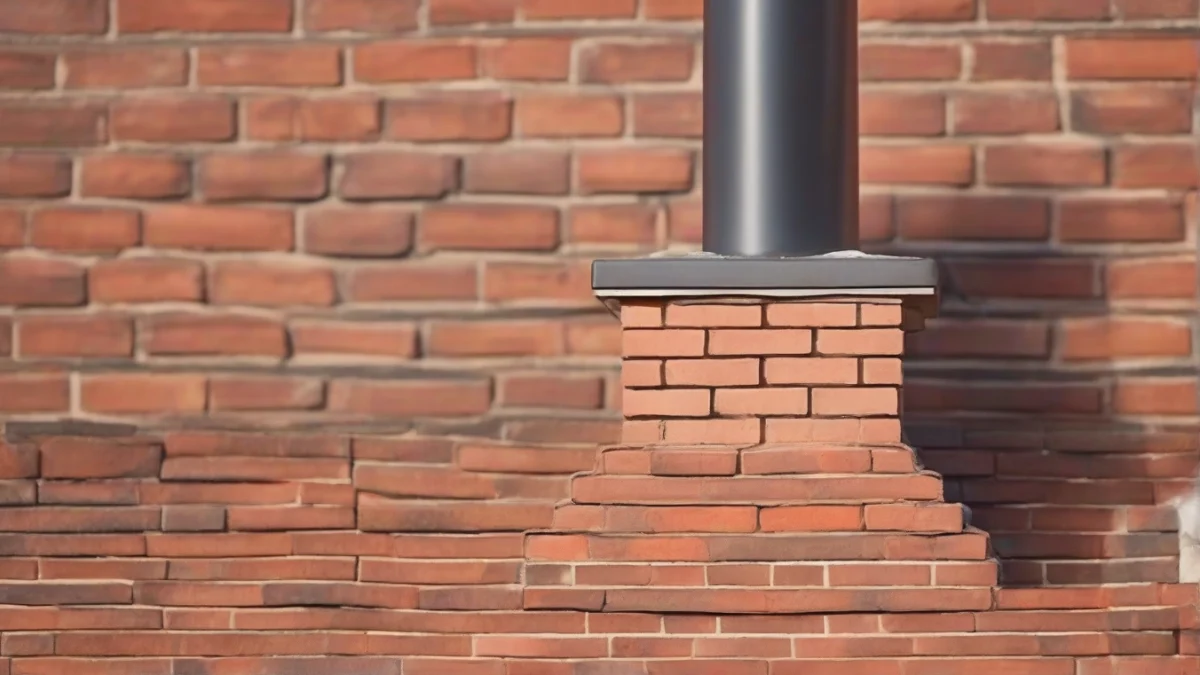
An unlit, open chimney stack will release hot air from the room, creating a constant heat drain even if the fireplace is off. The chimney vent, especially if it lacks a proper damper or seal, is one of the biggest heat loss issues in a home because warm air naturally rises and escapes through the chimney.
Reducing the chimney stack’s heat loss starts with blocking the flue. This can be done by installing a chimney balloon, a wool chimney plug, or a metal damper that seals tightly to stop warm air from rising up the chimney when the fireplace is not in use.
Heat loss through a chimney not in use can waste hundreds of dollars a year in heating costs. Warm air inside the house rises through the chimney, pulling cold air down the chimney and into the living space, making your heating system work harder.
- Measure Your Chimney FlueMeasure the inside dimensions of your chimney flue to choose the right size of chimney plug or balloon. A snug fit is essential to prevent air leaks.
- Install a Chimney Plug or BalloonInsert a chimney balloon or wool plug just above the firebox. These block the flue completely, stopping warm air from escaping and cold drafts from entering. The dense wool plug is durable and holds its shape without risk of puncture.
- Check or Repair Your DamperIf your chimney has a damper, ensure it closes tightly. A damaged or missing damper lets warm air escape even when the fireplace is off.
- Seal the Chimney Stack ExteriorIf accessible, add insulation or a chimney cap on the outside of the stack to reduce heat loss and prevent rain or debris from entering.


Understanding Chimney Heat Loss
Heat loss through a chimney happens because warm air inside your home naturally rises. An open chimney stack acts like a vertical channel, allowing this hot air to escape outside. This rising air pulls cold air in from outside through other gaps, making your heating system work harder.
The physics behind this is called the “stack effect.” Warm air is less dense and moves upward, creating a draft that carries heat out through the chimney if it is open or poorly sealed. This airflow can continue even when your fireplace is not in use.
Heat loss through chimneys can be significant. Studies show that an open chimney can let out between 10% and 25% of a home’s heat. The exact amount depends on chimney height, cross-section, and how well it’s sealed. Older chimneys without dampers or liners lose more heat.
| Chimney Feature | Typical Heat Loss Impact |
|---|---|
| Open chimney stack | 15% to 25% of home heat |
| Closed damper but no seal | 5% to 10% heat loss |
| Properly sealed chimney balloon or cap | Less than 1% heat loss |
Common Causes of Heat Loss Through Chimneys
Heat escapes not only through the chimney itself but also from gaps and cracks around it. Poor sealing where the chimney meets the roof or walls allows warm air to leak out. Missing or damaged chimney caps and dampers make the problem worse.
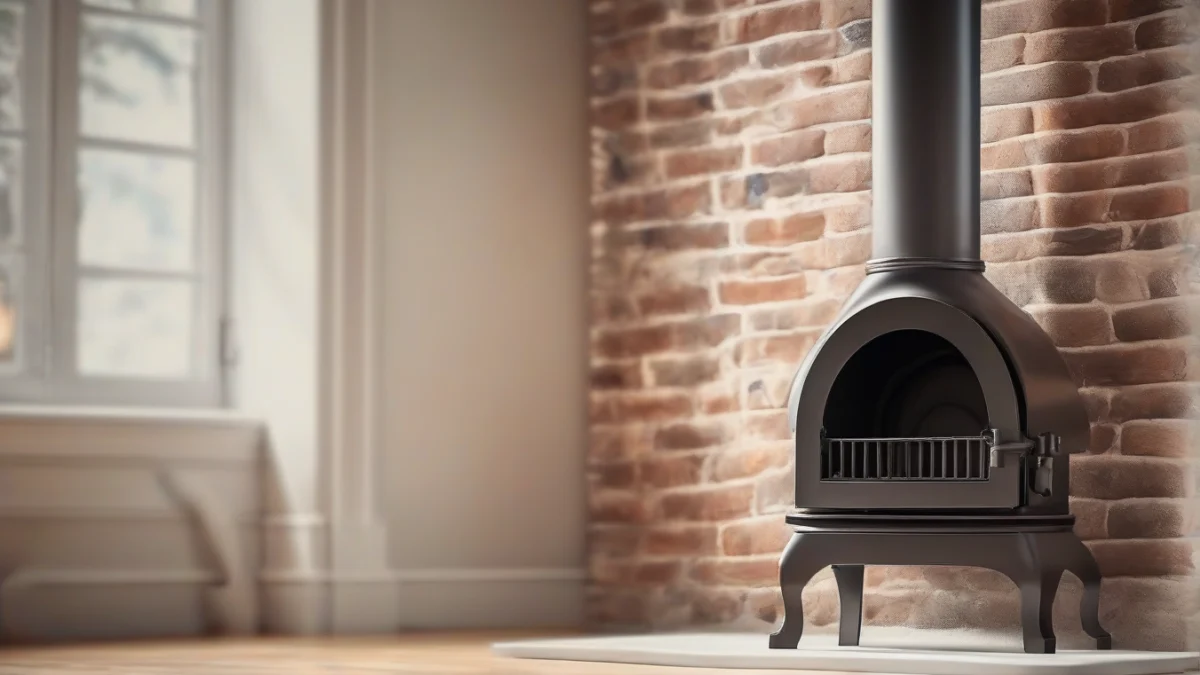
An old chimney with cracked bricks or deteriorated mortar can let cold air in and warm air out. Even a chimney that is not in use needs proper sealing to stop drafts. Chimney balloons or inflatable seals are effective for unused flues.
To stop heat loss through your old chimney, address all draft points around it. Check for gaps where the chimney passes through ceilings or walls. Insulating the attic and sealing cracks in walls and ceilings nearby also helps keep warm air inside.
- Inspect chimney jointsLook for gaps where the chimney meets the roof and walls. Use sealant or flashing to close these.
- Check chimney cap and damperReplace missing or damaged caps. Ensure dampers close tightly when the fireplace is not in use.
- Seal unused fluesUse a chimney balloon or insulation to block unused chimneys.
- Address nearby draftsSeal cracks in walls and ceilings around the chimney. Insulate attic spaces to reduce heat loss.
Stopping heat loss through walls and ceilings around the chimney is just as important as sealing the chimney itself. For more detailed fixes on stopping heat loss through your old chimney, see stop heat loss through your old chimney.
When to Replace Instead of Repair
A chimney stop can fail to seal properly if the liner is cracked, missing, or severely corroded. In these cases, replacing the chimney components is safer and more effective than patching gaps.
Look for signs like crumbling mortar, loose bricks, or visible damage inside the chimney. If water damage or rust affects metal parts, replacement is often necessary to restore proper function and prevent heat loss.
A professional assessment can identify hidden damage that a visual check might miss. Experts measure draft performance and inspect flues for blockages or deterioration that reduce efficiency and increase heat escape.
Safety Considerations for Sealing Your Chimney
Open chimneys do leak heat because they act as open channels for warm air to rise and escape. Sealing them reduces heat loss but must be done safely to avoid creating hazards.
Heat escaping through walls and thermal bridges near the chimney can worsen if sealing materials trap moisture or disrupt airflow. Use breathable insulation and maintain proper ventilation to prevent damage.
If your chimney serves a gas appliance, sealing requires special care. Gas appliances need a continuous air supply for combustion. Blocking the chimney without adequate ventilation risks dangerous carbon monoxide buildup.
