
You feel that draft, right? That subtle chill sneaking under your door isn’t just annoyingit’s your hard-earned heat and money escaping. The door threshold, that strip you step over, is a major culprit for energy loss through doors. It’s a classic spot for thermal bridging, where cold outside temperatures conduct right through the materials into your home.
Fixing this isn’t just about comfort; it’s a smart energy efficiency play. The good news? Most solutions are straightforward DIY projects. For a quick, effective seal on uneven surfaces, many homeowners find success with the Jin&Bao Universal Garage door bottom seal. It’s designed to conform to irregularities, making it a great starting point. Let’s find the right fix for your door.
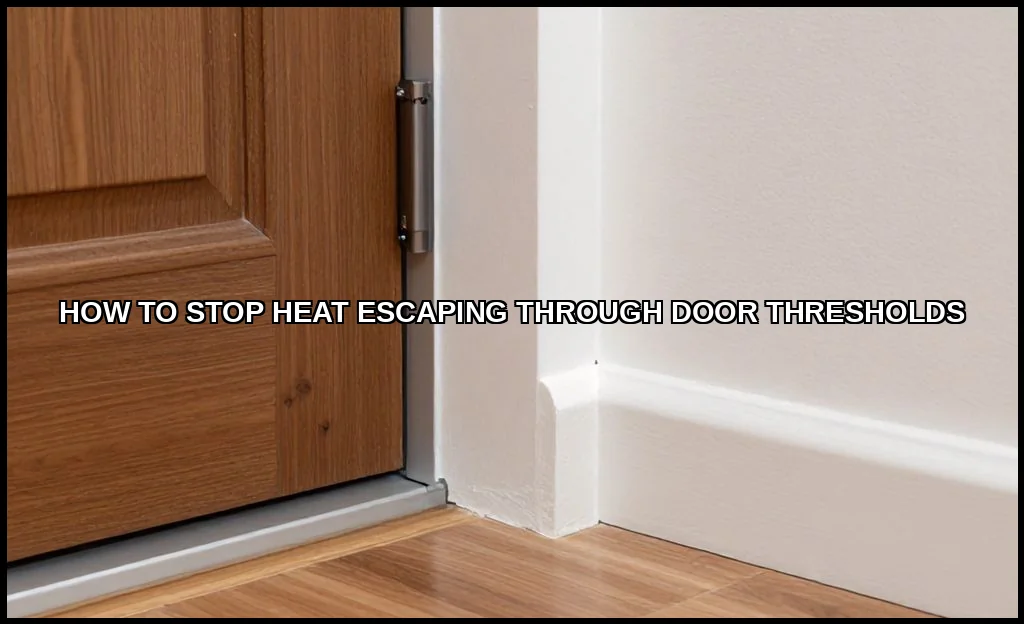
Understanding Door Thresholds and Heat Loss
Your door threshold does more than provide a smooth transition. It’s the primary seal against the elements. When it fails, air infiltration runs rampant. This gap allows warm indoor air to be replaced by cold outdoor air, forcing your heating system to work overtime.
The main heat loss through a door threshold happens at gaps where air can flow freely. Materials like aluminum conduct cold easily, worsening heat loss. Wood and vinyl have better insulating properties but only if well sealed. The real issue is the gap between the door bottom and threshold or cracks in the sealant. Fixing these gaps with proper weatherstripping or door sweeps cuts drafts sharply and stops warm indoor air from leaking out. There is more on how to stop cold air coming from floor vents in a guide of its own.
Identifying Leaks: The Paper Test and Visual Inspection
Before buying any supplies, confirm the leak’s source. A visual inspection can reveal obvious gaps or worn weatherstripping. But the classic paper test is foolproof.
- Close and lock the door.
- Slide a piece of paper between the door and the threshold.
- If you can pull the paper out with little resistance, you have a confirmed air leak.
Check the entire perimeter. Feel for drafts with your hand on a cold, windy day. This simple energy audit step pinpoints exactly where your money is slipping away. It also helps you keep your diagnostics accurate before you start repairs. If that sounds like your room, read up on how to stop cold drafts from door keyholes next.
Heat loss through floors happens mainly by conduction to the ground below, especially if the floor is uninsulated. To reduce this, add insulation beneath or on top of the floorboards, or use rugs and carpets to create a thermal barrier. Sealing gaps between floorboards also blocks cold air drafts. These steps reduce cold spots and help keep your indoor air warmer, easing the load on your heating system.
Solution 1: Installing or Replacing a Door Sweep
A door sweep is a strip attached to the interior bottom of the door. It acts as a flexible barrier that drags along the threshold, sealing the gap. It’s ideal for stopping cold air from under door gaps, especially if your door doesn’t close tightly.
Installation is typically simple: measure, cut, and screw it into place. The challenge comes with uneven floors, a common issue in older homes. For how to install a door sweep on an uneven floor, look for adjustable or flexible models. These have a vinyl or brush seal that can compress to match the floor’s contour, ensuring a consistent seal without binding.
- Type: Brush, vinyl, or automatic.
- Best for: Gaps up to 1/2 inch, interior or exterior doors.
- Tool Tip: A hacksaw makes clean cuts on metal sweeps.
If your existing sweep is cracked or brittle, a door sweep installation or threshold seal replacement is a quick win. This directly tackles one of the most common paths for energy loss. Readers in this position usually ask about stop cold air from garage doors: 5 simple fixes as well.
Solution 2: Applying Weatherstripping and Threshold Seals
While a sweep handles the door bottom, weatherstripping seals the sides and top. For the threshold itself, you often need a dedicated door threshold seal. This is a raised vinyl or rubber gasket that mounts onto the existing threshold, creating a compression seal when the door closes.
Choosing the best weatherstripping for exterior door threshold depends on the gap size and exposure. Adhesive-backed foam is easy but less durable. Vinyl or rubber bulb seals (often with a nail-on channel) offer better longevity against foot traffic and weather. Remember, the goal is to create a complete seal without making the door difficult to close.
For the persistent gap in winter, a door draft stopper or “draft snake” is a temporary interior fix. But for a permanent solution, focus on the exterior seal. Applying a high-quality threshold seal and complementary weatherstripping is how you truly prevent warm air from escaping the entire perimeter.
Advanced Fixes and When to Call a Professional
Sometimes, the threshold itself is damaged, warped, or improperly installed. No amount of new weatherstripping will help if the base is compromised. Thermal bridging through a metal threshold can also be a hidden issue, causing condensation and cold spots.
When to DIY: Replacing sweeps, applying new weatherstripping, installing a new threshold seal on a sound base. These tasks require basic toolsscrewdriver, utility knife, tape measure.
When to Call a Pro:
- The wooden subfloor or door frame is rotted.
- The door is misaligned in its frame.
- The entire metal threshold needs replacing (often requires removing the door).
- You’re unsure about the cost to replace a worn door threshold seal versus a full unit.
For comprehensive strategies, the Department of Energy’s official source on air sealing is an invaluable authority guide. It places door sealing within the broader context of home efficiency. We go through energy savings with door sealing step by step in a separate article.
Energy Efficiency and Cost Savings: The Big Picture
Sealing a drafty door isn’t a trivial chore. The U.S. Department of Energy estimates that reducing drafts can shave 10-20% off your heating and cooling bills. That’s a significant return on a small investment in a door draft stopper or seal.
Think of it as plugging a hole in your wallet. Every gap sealed is less strain on your HVAC system and more consistent comfort. It’s a foundational step in a larger home performance strategy, working in tandem with other fixes to keep your interior environment stable and efficient.
Start with the paper test. Identify the leak. Choose the right sealbe it a sweep, weatherstrip, or new threshold. Tackle the install with patience. The difference is immediate. You’ll feel the absence of that cold draft, see less dust infiltration, and likely notice a quieter home. Your heating system will thank you, and your next energy bill might just be the proof you need. Simple fixes, lasting impact.
