Winter in a UK flat can be a battle. The wind howls, the radiators clank, and the heating bill arrives with a thud. You’re not alone in feeling the chill; many flats, especially older conversions or rented properties, are notoriously difficult to keep warm. But with some smart, often low-cost strategies, you can transform your space from an icebox into a cosy haven.
This isn’t just about comfort. It’s about health, preventing damp, and saving a significant amount of money. Whether you’re a tenant navigating landlord rules or an owner looking for energy saving tips for flats, this guide covers practical steps for winterizing a flat. We’ll focus on cost-effective DIY solutions you can implement this weekend.

Essential Draught-Proofing for Windows and Doors
Draughts are the number one enemy of a warm flat. They let precious heat escape and cold air creep in, forcing your heating system to work overtime. Stopping them is your first and most effective line of defence in your UK flat winter prep.
Start by feeling for cold air. Run your hand around window frames, letterboxes, keyholes, and where skirting boards meet the floor. You’ll often find the worst culprits are old sash windows or ill-fitting doors.
Quick Wins for Renters
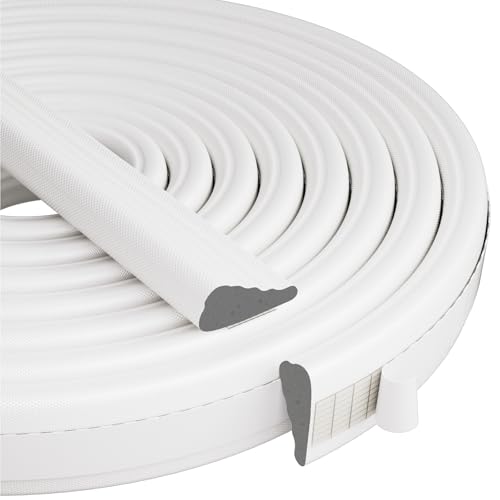
As a tenant, you need reversible solutions. Self-adhesive foam or rubber draught-excluding tape is perfect for window frames. For the bottom of doors, a simple draught excluder (a “sausage dog” or a rolled-up towel) works wonders. For a more professional finish, consider a Vellure Door Draft strip. It’s easy to install, effective, and can be removed without damageideal for stop draughts in apartment settings where permanent changes aren’t allowed. You can find it here.
Don’t forget secondary glazing film. It’s a clear plastic sheet you shrink over the window with a hairdryer, creating an insulating air gap. It’s one of the cheapest way to draught proof a rented flat and dramatically cuts down on heat loss.
Longer-Term Solutions
If you own your flat or can get landlord approval, more permanent fixes offer better returns. Proper brush or seal strips for doors and windows make a huge difference. For a deep dive on sealing those problematic windows, our guide on how to reduce cold drafts has you covered.
Optimising Your Heating System and Controls
A well-managed heating system is the heart of a warm home. Many people just turn the thermostat up and hope for the best. But smart control is the key to efficiency and answering “what temperature should I keep my flat in winter“.
Finding the Best Heating for a Small Flat
Electric heaters can be costly to run continuously. If you have gas central heating, using your main system is usually more efficient for whole-flat warmth. The trick is to use it intelligently. A common myth is that it’s cheaper to leave heating on low all day. It’s not. It’s more efficient to heat your home only when you need it.
- Programmable thermostat: This is non-negotiable. Set it to warm the flat before you wake up and return home, and to lower the temperature when you’re out or asleep. 18-21C is a comfortable and efficient range for living areas.
- Bleed your radiators: If they’re cold at the top, trapped air is blocking the hot water. Bleeding them is a simple 5-minute job that can improve heat output by 50%.
- Reflect heat back: Place radiator foil behind radiators on external walls. It reflects heat back into the room instead of letting it warm the brickwork outside.
For more strategies on containing that precious warmth, explore our tips on how to keep heat inside a room effectively.
Combating Condensation, Damp, and Mould
In a well-sealed flat, moisture becomes the next challenge. Cooking, showering, and even breathing release water vapour. When this warm, moist air hits a cold surface like a window or wall, it condenses. This creates a perfect condensation trap and, if left unchecked, leads to damp and moulda health hazard and a nightmare to clean.
Ventilation is Your Friend
It sounds counterintuitive when you’re trying to keep warm, but you must ventilate. The goal is to remove moisture without losing all your heat.
- Use extractor fans in kitchens and bathrooms every single time. Run them for 15-20 minutes after you finish.
- Open windows slightly for short, sharp bursts (10 minutes in the morning). This exchanges the air without cooling the room’s structure.
- Keep furniture slightly away from cold external walls to allow air circulation.
Wondering how to stop condensation on windows in a flat? Wipe down windowsills every morning. It takes seconds and stops water from soaking into the frame or wall.
Low-Cost Insulation Hacks for Renters
You can’t rip up floors or inject cavity walls in a rented property. But you can use clever, temporary insulation to boost warmth. Think of it as putting a cosy jumper on your flat.
Focus on Heat Escape Routes
Heat rises, so your ceiling is a major escape route. If you have access to the loft space (even a crawl space), laying down some affordable loft roll insulation can be a game-changer. Check your tenancy agreement first, but many landlords will approve or even contribute, as it’s in their interest to prevent damp in rented property.
For rooms, invest in heavy thermal curtains. Close them as soon as it gets dark to create an insulating barrier over the windows. Make sure they hang to the sill or floor and fit close to the wall to stop draughts.
Rugs on hard floors, especially floorboards, add a layer of insulation underfoot. Bookcases filled with books against cold walls also provide a surprising amount of thermal mass. These are all classic cheap ways to insulate a flat that make a tangible difference.
Winter Checklist and Landlord Communication
Proactivity is power. Don’t wait for the first frost to find your boiler has failed. Use this checklist and know your rights.
Your Pre-Winter Flat Check
- Test your heating system early. Fire it up for 30 minutes on a mild day.
- Check the boiler pressure and know where the stopcock is.
- Inspect for external damage: cracked roof tiles, blocked gutters. Report these to your landlord immediately.
- Stock up on basics: draught excluder tape, window film, dehumidifier bags for cupboards.
Understanding Landlord Responsibilities Winter
Landlords have legal obligations. They must ensure the property is fit to live in, which includes providing an efficient heating system (usually a central heating or electric storage heaters) and dealing with structural issues causing damp. They are responsible for the building’s insulation and exterior maintenance.
Your responsibility is to use the heating and ventilation properly and report issues promptly. If you have persistent cold flat solutions that require structural work, communicate in writing. For authoritative advice on permanent insulation, the Energy Saving Trust’s authority guide is an excellent external resource.
A warm, dry flat in a UK winter is absolutely achievable. It requires a blend of sealing the cold out, managing your heat smartly, and controlling moisture. Start with the draughtsthat’s your quickest win. Then, get intimate with your heating controls. Finally, make ventilation a daily habit. These steps form a powerful system to reduce heating bills apartment costs and increase comfort. You don’t need to spend a fortune. You just need a plan, a few affordable tools, and a weekend of your time. Your warmer, healthier, and more efficient winter starts now.