
Heat rises, making staircases a common route for warm air to escape. This causes uneven temperatures and higher energy bills. You can use several effective methods to keep heat from going up your open stairs.
How to Keep Heat From Going Up Open Stairs
Heat naturally rises through staircases because warm air is lighter and less dense than cold air. To keep heat from escaping your living room and rising up open stairs, you need to seal gaps, insulate the stair structure, and control airflow with doors or curtains.
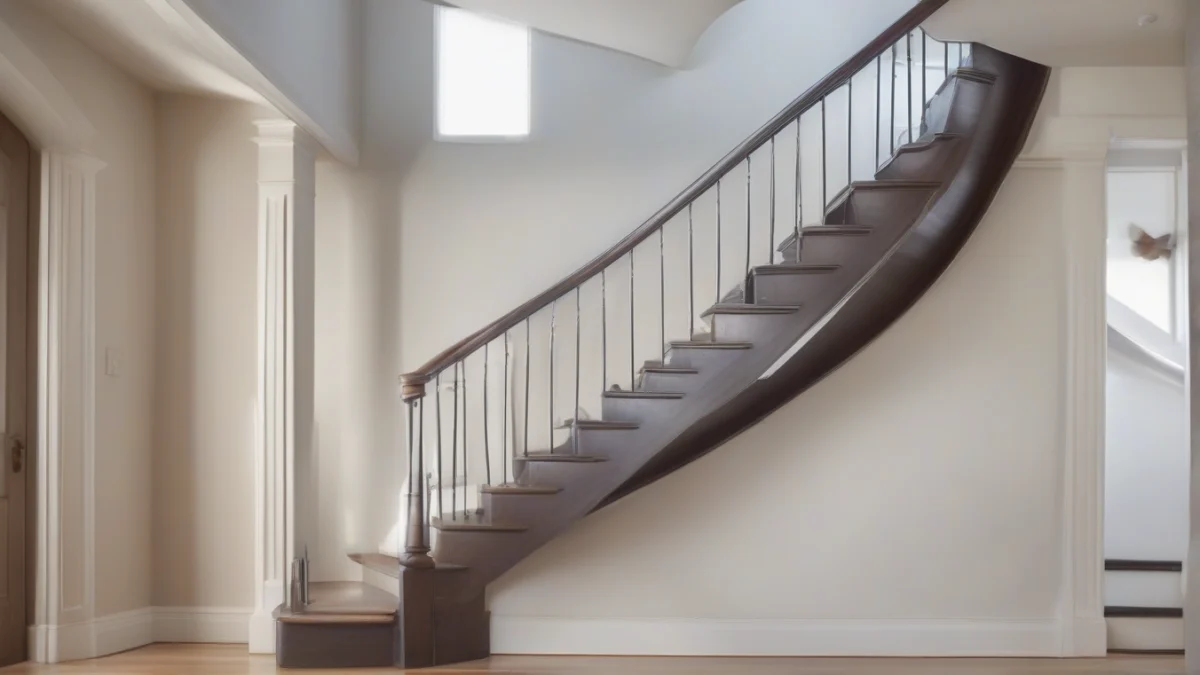
The most effective way to prevent heat from traveling upstairs is installing a door at the bottom of the stairs. This physical barrier blocks warm air from rising and cold air from descending, helping maintain separate temperature zones.
Sealing cracks and gaps around stairwells stops drafts that carry heat away. Use foam sealant or weatherstripping on edges where the staircase meets walls or floors. Pay special attention to open risers and spaces under handrails.
Insulating the stair structure, including under the stairs and attic stair openings, reduces heat loss through conduction. Attic stair insulators made of multilayer foam or fire-retardant materials trap heat inside the living space while blocking cold air from the attic.
- Install a door at the stairway bottomChoose a solid-core door with good seals. Make sure the door frame fits tightly and add weatherstripping to prevent air leaks.
- Seal gaps and cracksUse foam sealant around stair edges, caulk cracks, and add draft stoppers at thresholds or open risers.
- Insulate the stair structureInstall stair insulators or foam rolls under stairs and on attic stair openings to block heat conduction.
- Manage airflow with curtains or doorsHeavy curtains or accordion doors can reduce heat flow if a solid door isn’t possible. Close them when heating the lower level.
- Use ceiling fans to push heat downInstall fans at the top of stairs to circulate warm air downward, balancing temperature between floors.

| Appliance | Watts | Per hour | Per day (8 h) | Per month (30 days) |
|---|---|---|---|---|
| 1,500 W space heater | 1,500 W | 26¢ | $2.04 | $61.20 |
Understanding the Causes of Heat Loss Through Staircases
Warm handles or railings in your building’s stairwell feel warm because heat rises naturally. Warm air is lighter and less dense, so it moves upward through the stairwell, warming surfaces it touches.
Heat loss through staircases happens mainly by two mechanisms: thermal bridging and air movement. Thermal bridging occurs when heat transfers through solid materials like wood or metal in the stair structure, bypassing insulation. Air movement, however, causes most heat loss as warm air rises through gaps and openings.
Common weak points include loft hatches, cracks around stair stringers, gaps under stair treads, and the stairway door frame if present. These gaps allow warm air to move freely between floors, increasing heat loss.
The stack effect plays a key role. Warm air rises inside the stairwell, creating a pressure difference that pulls cooler air from lower floors into the stair space. This cycle draws heated air upward and out through any openings at the top, such as loft hatches or vents.
Sealing the stairway limits this airflow, reducing heat loss but also affecting indoor air circulation. It can restrict natural ventilation paths, so it’s important to balance sealing with proper ventilation elsewhere to maintain healthy air quality and pressure.
Sealing Gaps and Draft Proofing Staircases
Sealing off a stairway effectively for air conditioning or heating requires a comprehensive approach. This includes sealing loft hatches, stairway doors, and all gaps around the stair structure to block heat escape and unwanted drafts.
- Seal Loft HatchesUse attic stair insulators made of multilayer foam or fire-retardant materials. Attach them securely to the hatch, ensuring a tight fit to prevent warm air from escaping into the attic.
- Install or Weatherstrip Stairway DoorsIf your stairway lacks a door, installing one is the most effective barrier against heat rising. For existing doors, apply weatherstripping around the edges to close gaps.
- Use Flexible Sealants on CracksApply silicone or acrylic latex sealants to cracks around stair stringers, baseboards, and molding. These flexible sealants accommodate movement without cracking.
- Apply Draught ExcludersUse door sweeps or foam strips at the base and sides of stairway doors. These block air flow beneath and around the door.
- Check for Overlooked GapsInspect behind radiators, under stair treads, and around banisters. Seal any gaps with appropriate materials like expanding foam or sealant.
Insulating the Staircase Structure
Insulating under stairs, especially in walkout or unheated areas, stops cold air from leaking up and warm air from escaping down. Rigid foam insulation is the best choice for these spaces because it resists moisture and provides a solid thermal barrier.

To insulate under stairwells, cut rigid foam panels to fit snugly between stair stringers or framing. Seal seams with spray foam or tape rated for insulation to prevent air leaks. Cover the foam with drywall or plywood for fire safety and durability.
Mineral wool is another option for insulating stair cavities. It is fire-resistant and sound-absorbing but requires a vapor barrier if moisture is a concern. Mineral wool fits well around irregular shapes but needs careful installation to avoid gaps.
- Measure and CutMeasure the space under the stairs and cut rigid foam or mineral wool to fit tightly between framing members.
- Seal GapsUse spray foam or insulation tape to seal all edges and seams to prevent air movement.
- Cover InsulationInstall drywall or plywood over the insulation for fire protection and to prevent damage.
Complex stair structures or those with unusual shapes may require professional assessment and installation to ensure full coverage and compliance with building codes. A contractor can also check for hidden air leaks and recommend the best insulation type.
Managing Airflow with Doors and Curtains
Installing a door at the bottom or top of a stairway is the only effective method to block heat from rising up the stairs. A well-sealed door interrupts the natural convection of warm air moving upward.
To install a door on stairs, choose a solid core door with weatherstripping around the frame. Ensure the door fits tightly to minimize gaps. If the stairwell is wide or open, consider a double door or a custom panel.
Thermal curtains are a flexible alternative or complement to doors. Heavy, insulated curtains hung across stair openings slow heat transfer and reduce drafts. They are easier to install and can be opened when needed for airflow.
- Choose Door TypeSelect a solid core or insulated door sized for your stairway opening.
- Install WeatherstrippingApply weatherstripping around the door frame to seal gaps.
- Hang Thermal CurtainMount a heavy, insulated curtain on a track or rod for easy opening and closing.
- Door installation fully blocks heat transfer when closed.
- Thermal curtains are easy to install and adjust.
- Both options reduce drafts and improve comfort.
- Doors require professional installation for best fit and safety.
- Curtains are less effective than doors and may let some heat escape.
- Both require sealing gaps around edges to work well.
Complement door or curtain installation with sealing cracks and gaps around the stairwell to maximize heat retention. Without sealing, warm air can bypass barriers through small openings.
Adding doors or curtains at stairways changes airflow patterns and may require balancing HVAC registers upstairs and downstairs to maintain comfort on both levels.
