
Your water heater quietly provides hot water for daily use, but it relies on the sacrificial anode rod to prevent rust. This rod corrodes instead of the tank itself, and neglecting it can lead to leaks and costly repairs.
How Often to Replace Anode Rod
Replace your water heater’s anode rod every 3 to 5 years. This interval prevents rust buildup inside the tank and extends the heater’s lifespan.

How often to change anode rod in water heater depends on water quality and usage. Hard water or high mineral content can corrode the rod faster, requiring replacement closer to three years. Soft water or lower usage may stretch it toward five years.
Annual inspection is essential. Check the anode rod visually and with a multimeter to catch wear before it damages the tank. A worn rod loses its ability to protect the steel tank from corrosion.
| Water Quality | Replacement Interval |
|---|---|
| Hard or acidic water | 3 years |
| Moderate water hardness | 4 years |
| Soft water | 5 years |


Signs Your Anode Rod Needs Replacing
How to tell if anode rod needs replacing starts with visual inspection. Look for heavy corrosion, pitting, or if the rod is less than half its original diameter.
Rusty water or sediment in your hot water supply signals tank damage and an anode rod that no longer protects the tank. This is a clear sign to replace the rod immediately.
Using a multimeter can confirm if the rod is still active. Measure the voltage between the rod and the tank; a low or zero reading means the rod is depleted and should be replaced.
- Turn off power and waterShut off the water heater’s power source and close the water supply valve to prevent accidents.
- Remove the anode rodUnscrew the rod from the tank using a socket wrench.
- Inspect the rodCheck for corrosion, thinning, or breakage.
- Test with multimeterMeasure voltage between rod and tank; low voltage means replacement is needed.
Factors Affecting Anode Rod Lifespan
Replace your water heater’s anode rod every 3 to 5 years, but the exact timing depends on several factors. Hard water, rod material, temperature, and how often you use hot water all influence how quickly the rod wears out.
Hard water drastically shortens anode rod life. It contains more minerals like calcium and magnesium that speed up corrosion. In hard water areas, expect to replace the rod every 1 to 2 years instead of the usual 3 to 5.
| Anode Rod Type | Typical Lifespan | Suitability |
|---|---|---|
| Magnesium | 3 to 5 years | Best for soft or mildly hard water; provides strong corrosion protection |
| Aluminum | 2 to 3 years | Works well in hard water but corrodes faster; less effective than magnesium |
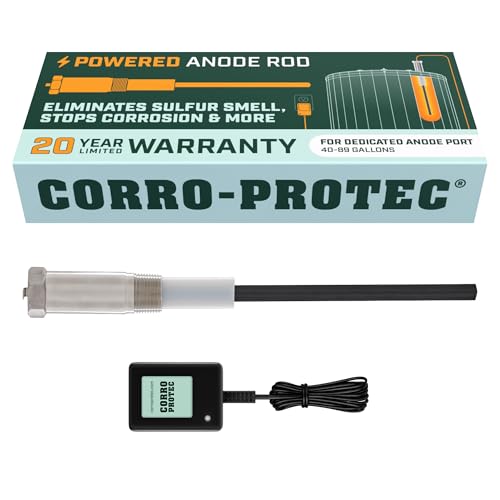
| Powered (Impressed Current) | 5 to 10 years | Lasts longest; good for very hard water and low maintenance |
Magnesium rods corrode faster but protect better. Aluminum rods last shorter but handle hard water better. Powered rods use an electrical current to reduce corrosion and last the longest but cost more upfront.
Higher water temperature speeds corrosion of the anode rod. Water heaters set above 140°F cause the rod to deteriorate faster. If you run your water heater at 120°F or lower, the rod lasts longer.
Heavy water usage also shortens rod life. More hot water flow means more exposure to corrosive elements. Homes with large families or high hot water demand may need to replace the rod more often.
Check your water hardness level if you’re unsure how often to replace the rod. Test kits are available at hardware stores. If hardness is above 7 grains per gallon, plan on replacing the rod every 1 to 2 years.
Choosing the right rod type for your water conditions extends its life. For hard water, an aluminum or powered rod is best. For soft water, magnesium rods offer the best protection and value.
If you want guidance on picking the right rod for your water, see our detailed reviews of magnesium, aluminum, and powered anode rods for rust protection.
Step-by-Step Guide to Replacing the Anode Rod
Replacing an anode rod extends your water heater’s life by preventing rust inside the tank. To replace it, you need a few tools and should follow safety steps to avoid injury or damage.

Gather these tools before you start: a socket wrench with a 1-1/16 inch socket or a breaker bar, a garden hose, a garden hose adapter (optional), a wire brush, and a new anode rod that matches your water heater model.
- Drain Some WaterAttach a garden hose to the drain valve at the bottom of the tank. Drain a few gallons to lower the water level below the anode rod opening, preventing spills when you remove the rod.
- Locate and Remove the Anode RodThe anode rod is usually on top of the tank, under a hex head screw or plug. Use the socket wrench or breaker bar to loosen and remove it. This may require significant force if it’s corroded.
- Inspect and Clean the OpeningCheck the rod for heavy corrosion or depletion; if it’s mostly gone, replacement is necessary. Use a wire brush to clean the threads and opening inside the tank.
- Install the New Anode RodWrap the threads of the new rod with plumber’s tape to ensure a tight seal. Screw it into the tank by hand, then tighten it firmly with the wrench, but avoid over-tightening to prevent damage.
- Refill and Restore PowerClose the drain valve and remove the hose. Open the cold water supply and allow the tank to fill completely, leaving the hot water faucet open to vent air. Once water flows steadily, close the faucet. Restore power or gas to the heater.
Consequences of Not Replacing the Anode Rod
If you don’t replace the anode rod, the steel tank will rust from the inside. Rust weakens the tank and leads to leaks, which usually means replacing the entire water heater.
A corroded tank reduces the heater’s efficiency. Rust buildup impairs heat transfer, causing the unit to use more energy to heat water, increasing your utility bills.
Ignoring anode rod replacement can void your water heater’s warranty. Most manufacturers require regular maintenance, including anode rod inspection and replacement, to keep the warranty valid.
Without replacing the anode rod, a water heater’s lifespan often shortens from the typical 8 to 12 years to just a few years due to corrosion damage. Regular replacement every 3 to 5 years prevents this premature failure.
For detailed replacement instructions, see our related guide on how to replace an anode rod.
