
Finding the right Hot Rod kit for your RV water heater can enhance your camping experience by providing consistent hot water. With various options available, it’s crucial to choose a kit that meets your specific needs.
Comparison of Top RV Hot Rod Kits
| Product | Best for | Capacity | Power (W) | Compatibility | Installation Ease | Price |
|---|---|---|---|---|---|---|
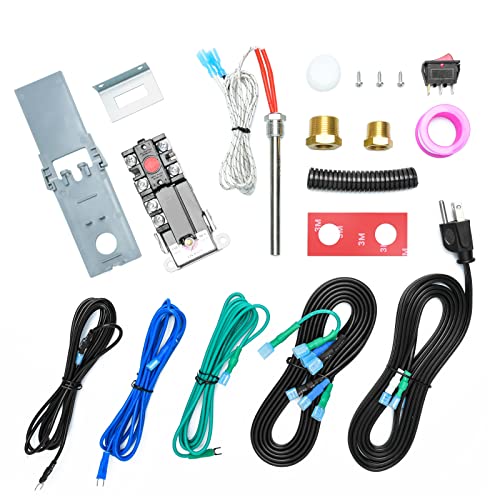
| briidea RV Electric Water Hybrid Heater Kit | Best Overall | 6 Gallon | 425 W | Atwood and Suburban | Easy with bushings | Check price |
| Fistihon RV Water Heater Electric Conversion Kit | Best Budget | 6 Gallon | 425-450 W | Atwood and Suburban | Easy with color-coded cords | Check price |
| Diamond Group HR10 Hot Rod 10 Gallon | Best for Larger Tanks | 10 Gallon | 400 W | — | Standard | Check price |
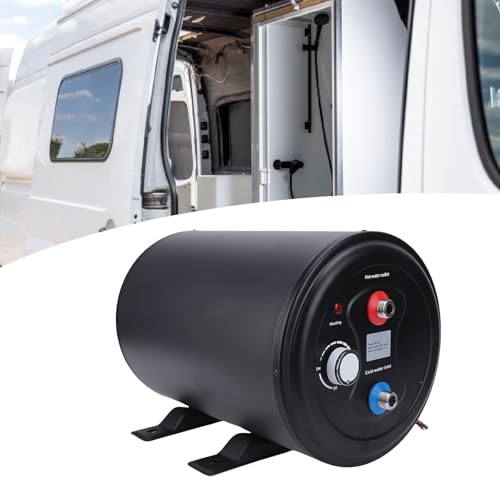
| FVSTR Dual Power Water Heater 15L | Best Dual Power | 15 L | 200W DC / 1500W AC | — | Moderate | Check price |
| ACAGALA 12V Portable Tankless Water Heater | Best Portable | — | 200 W | — | Very easy, portable | Check price |


Top Hot Rod Kits for RV Water Heaters
briidea RV Electric Water Hybrid Heater Kit
- Capacity6 Gallon
- Power425 W
- CompatibilityAtwood and Suburban
- Material304 Stainless Steel
- ThermostatAdjustable
- Hybrid propane and electric heating reduces fuel costs.
- Adjustable thermostat for consistent water temperature.
- 304 stainless steel heating rod for durability and safety.
- 425W power suits 6-gallon tanks; larger tanks heat slower.
- Installation requires correct thermostat placement to avoid dry heating.
Fistihon RV Water Heater Electric Conversion Kit
- Capacity6 Gallon
- Power425-450 W
- CompatibilityAtwood and Suburban
- Material304 Stainless Steel
- ThermostatAdjustable
- Affordable electric conversion for common RV tanks.
- Adjustable thermostat for temperature customization.
- Color-coded cords ease installation.
- Heating power limited to 425-450W, suited for 6-gallon tanks only.
- Longer heating times for larger tanks.
Diamond Group HR10 Hot Rod 10 Gallon
- Capacity10 Gallon
- Power400 W
- Compatibility—
- Suitable for 10-gallon water tanks.
- Low current draw at 6 amps.
- Preserves existing LP system for backup heating.
- Power rating lower than some kits, may heat slower in cold conditions.
FVSTR Dual Power Water Heater 15L
- Capacity15 L
- Power200W DC / 1500W AC
- Compatibility—
- CertificationCSA
- Dual 12V DC and 120V AC power inputs.
- Large 15-liter capacity for extended hot water supply.
- Pressure-resistant, durable shell design.
- Heavier and larger than typical hot rod kits.
- Requires compatible power sources for dual mode.
ACAGALA 12V Portable Tankless Water Heater
- Capacity—
- Power200 W
- Compatibility—
- Instant heating with 5-second warm-up.
- Compact and lightweight for portability.
- Wide temperature range up to 75°C.
- 200W power limits flow rate and heating capacity.
- Not a tank-style heater; less suited for large volume storage.
How to Choose the Right Hot Rod Kit
Start by matching the hot rod kit to your RV’s water tank capacity. Most RV tanks range from 6 to 10 gallons. The heating element must fit the tank size to deliver efficient, even heating without wasting power.
Next, check the power output of the kit. Electric conversion kits typically run at 1,000 to 1,500 watts. Confirm compatibility with your RV’s electrical system and whether your circuit can handle the load without tripping breakers.
Installation varies by model. Some kits fit existing water heater tanks without modification, while others require tank removal or drilling. Choose a kit with clear instructions and parts that match your heater’s make and model to simplify installation.
- Check Tank CapacityLocate your RV’s water heater tank size in gallons, usually on the tank label or manual.
- Verify Power NeedsMatch the rod wattage to the tank size and your RV’s electrical capacity.
- Assess InstallationReview the kit’s installation guide to ensure it fits your heater type and skill level.
| Kit Type | Typical Wattage | Best For |
|---|---|---|
| RV Water Heater Electric Conversion Kit | 1,000–1,500 W | Standard RV tanks and electrical systems |
| Diesel RV Water Heater Rods | Varies, often 1,500 W | Diesel-fired water heaters requiring electric boost or backup |
| Hybrid Electric/Propane Kits | Up to 1,500 W | Combining propane and electric for efficiency and reliability |
Sizing and Heat Output of RV Water Heaters
Determine your hot water demand by considering how many people use the RV and the typical daily water usage. A 6-gallon tank suits one to two people; larger families need 10 gallons or more.
Heat output matters. Most electric rods provide 1,000 to 1,500 watts, enough to heat a standard RV tank in about 30 to 60 minutes. Diesel-fired models vary but often match this range to ensure quick heating without overloading the system.
Dual power options combine propane and electric heating. These are useful if you want backup heat or faster recovery times. They switch between power sources to maintain hot water efficiently, especially on longer trips or in cold weather.
| Appliance | Watts | Per hour | Per day (1 h) | Per month (30 days) |
|---|---|---|---|---|
| 1,500 W electric hot rod | 1,500 W | 26¢ | 26¢ | $7.65 |
| 1,000 W electric hot rod | 1,000 W | 17¢ | 17¢ | $5.10 |
Safety and Certification for RV Water Heaters
Safety is critical when installing or upgrading an RV water heater with a hot rod kit. Look for kits with UL or CSA certification to ensure they meet strict electrical and fire safety standards. These certifications confirm the product has been tested for safe operation under typical RV conditions.
A good hot rod kit includes built-in temperature control to prevent overheating. This feature cuts power to the heating element once the water reaches the set temperature, reducing the risk of damage or fire. Overheat protection is non-negotiable for any electric heating element inside a confined space like an RV water tank.
Regular maintenance is essential to keep safety features working and extend heater life. Inspect wiring and connections for signs of wear or corrosion. Damaged cords or loose connections increase the risk of electrical faults and should be repaired immediately.
Maintenance Tips for RV Water Heater Conversion Kits
- Check the Heating ElementInspect the electric heating element at least once per season for signs of wear or mineral buildup. A worn element reduces efficiency and risks failure. Replace it if you notice pitting or corrosion.
- Replace the Anode RodRemove and examine the magnesium anode rod annually. Replace it when it has lost more than half its original diameter. This rod protects your tank from rust and helps extend its lifespan.
- Monitor Water QualityTest your RV’s water regularly for hardness and sediment. Hard water accelerates scale buildup inside the tank and on the heating element. Use a water softener or flush the tank periodically to prevent damage.
Replacing the water heater rod typically happens every 1 to 3 years. If your water has high mineral content, check it more often. Neglecting this maintenance shortens the heater’s life and can cause leaks or electrical shorts.
Following these maintenance steps keeps your RV water heater conversion kit running safely and efficiently. For more on prolonging water heater life, see our guide on the best anode rod for water heater.
Frequently Asked Questions
What is the best hot rod kit for RV water heaters?
How do I install an RV water heater conversion kit?
What power do RV hot rod kits require?
How long does it take to heat water with an RV hot rod kit?
Can I use an RV hot rod kit with a diesel water heater?
When should I replace the anode rod in my RV water heater?
There is more on how often to replace anode rod in a guide of its own.
We go through small gas heaters for homes step by step in a separate article.
