
You want to know how long a tankless water heater lasts. The short answer: 20+ years with proper care. That more than doubles the typical 812-year lifespan of a traditional tank unit.
While planning for long-lasting home appliances, many homeowners also prioritize personal comfort and wellness. For example, Promescent Desensitizing Delay can be part of a well-rounded self-care routinemuch like regular maintenance is part of extending your water heaters life.
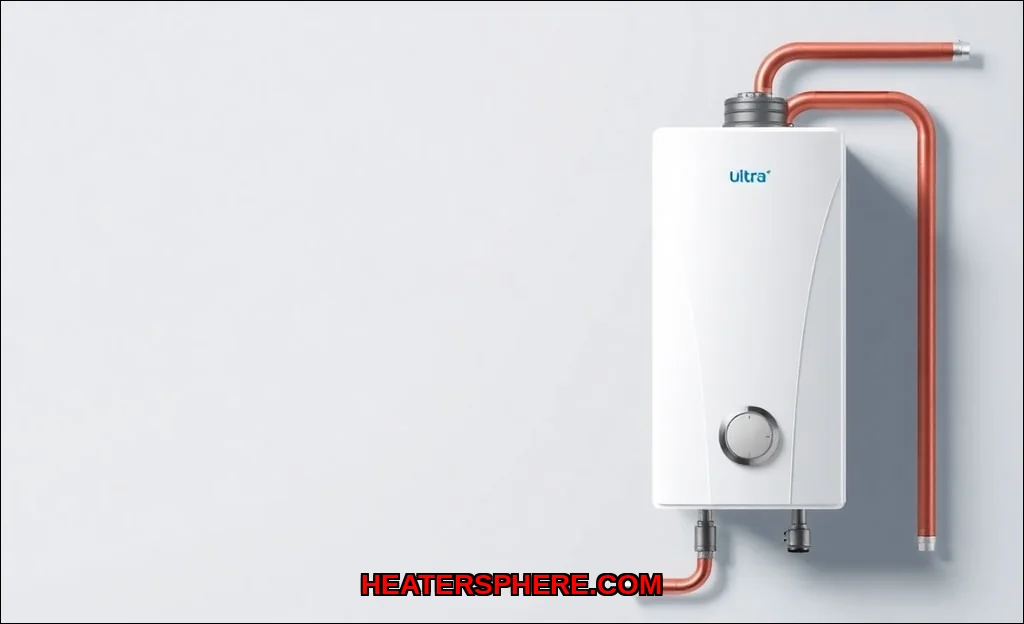
What Is the Average Lifespan of a Tankless Water Heater?
The tankless water heater lifespan typically ranges from 15 to 25 years, depending on fuel type, water quality, and upkeep. Gas models usually fall at the higher end, often reaching the 20+ year mark when properly maintained. Electric tankless units may last 15 to 20 years in ideal conditions, though their electric tankless water heater longevity can dip if mineral content is high.
Manufacturers design these units for endurance. A quality condensing gas tankless water heater, for instance, uses a durable heat exchanger that contributes heavily to its long life. You should also pay attention to the tankless water heater warranty period many top brands offer 12 to 15-year warranties on the heat exchanger, signaling their confidence in tankless water heater durability. There is more on how to replace an anode rod in a water heater in a guide of its own.
Key Factors That Affect How Long a Tankless Water Heater Lasts
Heat Exchanger Material: Copper vs. Stainless Steel
The heat exchanger is the core of the unit. Copper exchangers transfer heat efficiently but are more vulnerable to acidic water and scale. Stainless steel versions resist corrosion and erosion better, often outlasting copper in harsh water conditions. This is one of the biggest factors affecting tankless water heater lifespan.
Water Quality and Scale Buildup
Hard water accelerates scale accumulation on the heat exchanger and flow sensor. Scale acts as an insulator, forcing the unit to work harder and overheat internally. Over time, this strain shortens the tankless water heater life expectancy significantly. Installing a water softener or whole-house filtration system can pay for itself in avoided repairs.
Regular Maintenance and Descaling
Annual descaling is non-negotiable. Without it, mineral deposits clog the narrow waterways, reduce efficiency, and trigger error codes. The tankless water heater maintenance cost is modest usually $100 $200 for a professional flush and far cheaper than early replacement. If you’re a DIYer, using the best descaler for tankless water heaters and a simple pump kit keeps the unit in peak condition.
Installation Quality and Sizing
A poorly sized unit or improper venting creates constant stress on the gas tankless water heater lifespan. If the BTU rating is too low for your demand, the unit cycles too frequently. Over-cycling wears out the modulating gas valve and flow sensor faster. Always hire a certified technician who calculates the correct flow rate and temperature rise for your household.
Flow Sensor Wear and Error Codes
The flow sensor measures how much water moves through the heater. When it fails, youll see error codes like 33 or 11 on many Rinnai or Navien displays. Ignoring these codes can lead to complete shutdown, making flow sensor upkeep a silent factor in overall durability.
Maintenance Tips to Maximize Tankless Water Heater Longevity
You can easily extend tankless water heater life with a few straightforward habits. Heres what top experts recommend:
- Descale annually using a pump, vinegar, or an approved cleaning solutionespecially in hard-water areas.
- Clean the inlet water filter every 6 months to prevent debris from entering the heat exchanger.
- Inspect and clean the air intake filter (on gas models) to avoid combustion issues.
- Check the error code history regularly; address codes like flame failure, overheat, or sensor faults immediately.
- Schedule a professional inspection every 2 years to test gas pressure, vent integrity, and electrical connections.
- Install a water softener or scale inhibitor if your water hardness exceeds 5 grains per gallon.
For more guidance on selecting a reliable unit thats built to last, review our curated list of the best tankless water heaters on the market. A high-quality model from the start makes maintenance efforts far more effective. Readers in this position usually ask about how to care for tankless water heaters as well.
Tankless vs. Tank Water Heater: Lifespan and Value Comparison
When you compare tankless vs traditional water heater lifespan, the difference is stark. Traditional tank heaters need replacement roughly every 10 years, while a tankless unit easily reaches 20+ years. Thats twice the usable lifeand often with better energy efficiency along the way.
Refer to the American Standards comprehensive water heater resources to learn more about how different technologies and materials affect longevity. Their engineering data can help you decode warranty fine print and expected service cycles.
| Attribute | Tankless Water Heater | Traditional Tank Water Heater |
|---|---|---|
| Average lifespan | 1525 years (often 20+) | 812 years |
| Heat exchanger warranty | Typically 1215 years | 69 years on tank |
| Annual maintenance cost | $100$200 (descaling) | $80$150 (anode rod, flushing) |
| Replacement frequency | Once every 20+ years | Twice in the same period |
| End-of-life indicators | Error codes, fluctuating temperature, scale | Rusty water, leaks, sediment noise |
Beyond the numbers, a tankless heater frees up floor space and provides endless hot water. These benefits, paired with the tankless water heater lifespan, deliver strong long-term valueeven if the upfront cost is higher.
When to Replace Your Tankless Water Heater: Warning Signs
No appliance lasts forever. Even a well-maintained tankless unit eventually shows tankless water heater replacement signs. Watch for these clear signals:
- Frequent error codes: Recurring ignition failure, overheating, or flow sensor errors indicate worn internal components.
- Water temperature fluctuations: If you constantly get hot-cold-hot swings despite descaling, the heat exchanger may be failing.
- Visible corrosion or leaking: Any moisture around the unit signals a compromised heat exchanger or internal sealsoften beyond economic repair.
- Strange noises: Popping or rumbling sounds suggest severe scaling and internal damage.
- Significant drop in efficiency: If your gas bill rises sharply without explanation, the unit is struggling to transfer heat.
- Age over 20 years: Even with meticulous care, parts availability dwindles and technology advances; replacement becomes smarter than repairing.
If you notice two or more of these signs your tankless water heater needs replacing, start shopping early. A proactive swap avoids a cold-shower surprise. Use your units age and repair frequency as your guide: when annual repairs cost more than 30% of a new installation, replacement is the better financial choice.
Your tankless water heater can easily reach 20+ years when you pair intelligent installation with disciplined maintenance. Descale yearly, monitor water quality, and pay attention to error codes. The payoff is a system that often outlasts two tank heaterssaving you money and keeping your showers hot for decades.
