
A storage water heater looks like a sealed metal barrel, but inside it is slowly rusting anywhere steel is exposed to hot, mineral-filled water. The anode rod is the only part that is meant to take that damage and be replaced.
If you understand what that rod does, how material choices like magnesium vs aluminum behave, and how often to check it, you can often double the life of a tank and prevent surprise leaks or sulfur-smelling hot water.
What an Anode Rod Does in Your Water Heater
An anode rod in a water heater is a long, replaceable metal rod that screws into the tank and deliberately corrodes so the steel tank does not. Inside a standard glass‑lined steel heater, this sacrificial rod attracts rust and minerals, buying your tank extra years before it leaks.
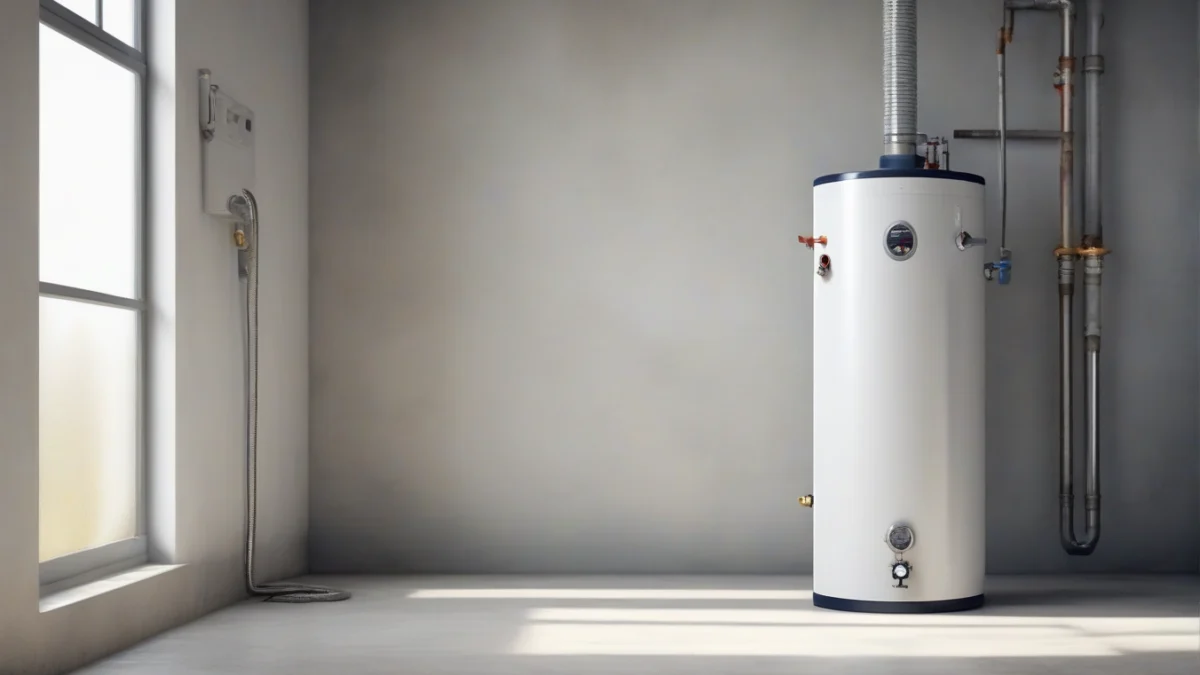
On almost all tank‑type residential heaters, the anode rod threads into the top of the tank on a 3/4″ NPT fitting and hangs down into the stored hot water. The rod itself is usually made from magnesium, aluminum, or an aluminum‑zinc alloy. Those metals are chosen because they are more chemically active than steel in hot water, so they corrode first. If you saw “what does an anal rod do in a water heater?” in search results, that is just a misspelling of this same anode rod.
Here is the basic mechanism. Different metals sitting in water create a tiny voltage between them. The more active metal becomes the anode, and corrosive ions in the water attack it instead of the less active metal. In a water heater, the rod is the anode and the tank wall is the cathode, so the rod slowly dissolves while the steel shell stays mostly intact.
The glass or porcelain lining on the tank does help. It covers most of the steel, acting like a shellac layer between water and metal. But that lining is never perfect. Manufacturing leaves pinholes and thin spots, and normal heating and cooling can create hairline cracks over the years. Wherever steel is exposed, the anode rod is supposed to take the damage first.
Once the anode is mostly consumed, it can no longer protect those bare spots. The exposed steel begins to rust, which can show up as brown or rusty water and then small leaks at seams or the bottom of the tank. From there, failure usually accelerates until the tank splits and needs replacement.
A water heater can run with a worn‑out or removed anode rod for a while, but it is running on borrowed time. The tank will rust faster, especially on an older heater, and you lose the safety margin that keeps it from suddenly leaking. Checking how often to replace anode rod and keeping a good rod installed is one of the few things that truly extends tank life.
Magnesium vs Aluminum Anode Rods for Water Heaters
For most people asking about water heater anode rod magnesium vs aluminum, the choice comes down to protection strength versus lifespan and odor control. Magnesium rods usually protect more aggressively but wear out faster; aluminum and aluminum‑zinc rods often last longer in hard water and may help with rotten egg smell.
All of these common rod types use the same basic 3/4″ NPT thread on most residential glass‑lined tanks, so you can usually swap materials as long as the length and style match your heater. The main options are: standard magnesium, standard aluminum, aluminum‑zinc alloy (for odor issues), and powered/titanium anodes driven by a small control box.
| Rod type | Typical strengths | Typical drawbacks | Very rough life range* |
|---|---|---|---|
| Magnesium | Strong tank protection; good for most city water; less sediment | Can wear out faster, especially in hot or soft water; may worsen sulfur odor in some well water | About 3–5 years |
| Aluminum | Often lasts longer in hard water; cheaper; widely available | Slightly weaker protection; can form white/gray oxide sludge or flakes | About 5–7 years |
| Aluminum‑zinc alloy | Similar to aluminum but can reduce rotten egg odor in some well water | Same flaking risk; not always as protective as magnesium | About 5–7 years |
| Powered/titanium | Does not get “used up”; strong adjustable protection; can help with odor | Higher upfront cost; needs power and proper installation | Often 10+ years |
Magnesium is more active than aluminum, so it takes the brunt of corrosion and usually offers the strongest protection for the steel tank. The tradeoff is that it tends to be consumed sooner, especially where the water is soft or very hot. For most municipal water with no smell problems, a magnesium rod is the best balance of safety and cost.
Aluminum and aluminum‑zinc rods corrode more slowly, which often makes them a better fit for very hard water that chews through magnesium. They can shed fine white or gray oxide flakes that collect in the bottom of the tank or show up as cloudy water, and they may offer slightly less aggressive protection than magnesium in the same conditions.
Aluminum‑zinc rods are a niche version used mostly for sulfur or “rotten egg” odors, especially on well water. The zinc content is small, but it can help disrupt the sulfur‑producing bacteria reactions in some systems. Many owners of smelly wells use aluminum‑zinc as a compromise between odor reduction and reasonable tank protection.
Powered anodes use an inert titanium rod and a small power supply to create a protective current instead of sacrificing metal. They can run 10 years or more, and they are often chosen when odor control and long life matter more than upfront cost. A best powered anode rod guide is a good place to compare those kits if you are tired of frequent rod changes.
If your manual specifically calls for magnesium, follow that unless you are fighting a clear sulfur odor. Switching to an aluminum‑zinc rod is a common way to tackle smell on well water while still giving the tank sacrificial protection. For a deeper breakdown of magnesium or aluminum anode for water heaters, see magnesium vs aluminum anode rod comparisons.
Flexible segmented rods are helpful in low basements, under counters, and in short “lowboy” heaters, because each section can bend as it goes through the opening. That lets you install a full‑length rod even where a rigid 44″ bar would hit the ceiling before it clears the tank.

As a rule of thumb: choose magnesium as the default on city water with no odor; choose aluminum or aluminum‑zinc for very hard water or persistent sulfur smell on a tank you still want to protect; choose a powered/titanium anode when you want long life, fine‑tuned protection, and are willing to pay more upfront. If you are buying new instead of just replacing, a best anode rod for water heater roundup can help match rod material and style to your specific tank.

How Long an Anode Rod Lasts and When to Replace It
Anode rods are consumable parts. Most standard residential water heater anode rods last about 3–7 years, but their actual life expectancy depends more on your water than on the heater brand. If you’re wondering how long does a water heater anode rod last, how long does anode rod last in water heater, or what the water heater anode life expectancy is, think of the rod as something you plan to check and replace, not a lifetime piece.

Under typical use, a magnesium anode gives strong protection for about 3–5 years. Aluminum and aluminum-zinc rods usually last around 5–7 years in the same water, so they are the longer-lasting but slightly weaker protectors. Powered/titanium anodes are often sized to match a 10‑year tank warranty, so a new water heater anode rod of that type can give roughly a decade of service if its power supply stays healthy. There is no single life expectancy of anode in water heater that fits every home, so any simple ‘how long do water heater anodes last’ answer is only a starting point.
Water chemistry is what really moves those numbers. Hard water, high chloride levels, slightly acidic water, very hot thermostat settings, softened water, and heavy hot water use all chew through anodes faster. Softer, neutral water at moderate temperatures lets anodes last longer. Electric vs gas heat source does not change the schedule much; the rod sees the same water either way.
As a rule of thumb, for a new tank: do the first anode inspection around year 2–3, then check it every 1–2 years after that regardless of material. In very aggressive water or heavy-use homes, start checking sooner. Instead of assuming how long should anode be in hot water heater is a fixed number like 5 years, use those inspections to decide.
| Water hardness | Typical test value | Suggested anode inspection interval |
|---|---|---|
| Soft water | < 60 mg/L (< 3.5 gpg) | After first 2–3 year check, inspect about every 3 years |
| Moderately hard | 60–180 mg/L (3.5–10.5 gpg) | Inspect about every 2 years |
| Hard or softened water | > 180 mg/L (> 10.5 gpg) or any water run through a softener | Inspect every year |
Replace the rod based on condition, not just years. Once roughly 75% of the metal is gone, the steel core is exposed in long sections, or the diameter is down near about 1/2 inch or less for most of its length, the rod is near the end of its life and should be changed. Yes, you should change the anode rod in your water heater at that point even if the tank is still working fine; it is cheap insurance against internal rust.
For a common scenario: if your tank is around 6 years old and the anode has never been checked, inspect it now. In medium to hard or softened water, plan on replacing it, because many original rods are mostly consumed by that age.
Light commercial or very heavy-use heaters (rental buildings, small businesses, laundries) should be checked more often: start inspecting after the first 1–2 years of service, then at least annually. The same wear rules apply whether the heater is gas or electric.
Signs Your Water Heater Anode Rod Needs Replacing
The clearest signs waterheater anode rod needs replacing show up when you actually pull the rod and look at it, backed up by a few symptoms at your taps. Here are 5 signs your water heater anode rod needs replacing before the tank itself starts to rust through.
- The rod is thinned to about 1/2 inch or less for most of its length, with heavy pitting or large missing chunks. That means most of the sacrificial metal is gone and the tank is next in line to corrode.
- Long stretches of the steel core wire are exposed. Once you can see bare steel along more than short spots, the anode is effectively used up and should be replaced.
- The rod has almost completely dissolved down to the cable, with only small remnants of metal left. At that point it is doing almost nothing; install a new anode immediately.
- You have a persistent rotten egg or sulfur smell on the hot water side only. That often means sulfur bacteria in the tank are reacting with the current anode material; it is time to disinfect the tank and consider a different rod type in your next replacement.
- You see rusty or tea-colored water from hot taps only, especially on first draw after the water heater has been sitting. That suggests internal tank corrosion that commonly starts once the anode is gone, as opposed to whole-house discoloration from old galvanized piping.
Increased popping, crackling, or rumbling when the burner or elements run points mainly to sediment, but tanks with exhausted anodes tend to build more scale and are usually closer to the end of their life. A thorough flush plus a new anode can slow further damage if the tank is not yet leaking.
You cannot reliably judge rod condition from the outside of the tank. The steel shell and top cover give no clue to how much metal is left on the anode, so it must be removed for inspection. If the heater is over 5 years old and the rod has never been checked, assume it is at least partly consumed and schedule an inspection soon instead of waiting for worse symptoms.
Rotten Egg Smell, Odor, and Your Anode Rod
Rotten egg smell from water heater hot taps usually comes from how the anode rod and bacteria in the water interact, not from the tank metal itself. If you are asking whether changing the water heater anode rod from aluminum to magnesium will reduce the foul odor, the answer is that it usually will not and can actually make the smell stronger. Most “water heater anode rod magnesium vs aluminum” odor fixes go the other way, from plain magnesium to an aluminum-zinc alloy rod that is often the best anode rod for rotten egg smell in well systems. Manufacturers often brand these aluminum-zinc rods with phrases like “GET RID OF ROTTEN EGG SMELL TECHNOLOGY” so you can spot them easily.
The basic cause is sulfate-reducing bacteria in the water that react at the anode surface. These bacteria use sulfur compounds and the hydrogen released as the rod corrodes to make hydrogen sulfide gas, which smells like sulfur or rotten eggs. The reaction is strongest at water-heater temperatures right around the anode, so the odor often shows up only in hot water. If both hot and cold water smell, the issue is in the source water or plumbing, and changing only the anode will not fully solve it.
Magnesium rods corrode more aggressively and tend to release more hydrogen, which can feed this odor problem in some well-water systems. Swapping an odor-prone magnesium rod for an aluminum-zinc anode usually cuts the smell sharply because the alloy changes the chemistry and the small zinc content helps disrupt the bacteria that produce hydrogen sulfide. Switching from aluminum to magnesium is unlikely to fix sulfur odor and may make it worse. Powered or titanium anodes can be very effective for odor control because they do not sacrifice metal into the water and do not feed bacteria in the same way.
Any odor-friendly anode still protects the steel tank from rust; you are trading one sacrificial material for another or moving to a powered rod, not running without protection. Pair the rod change with a thorough tank flush each time so you wash out existing hydrogen-sulfide-rich water and sediment that shelter bacteria. If you want to compare specific aluminum and aluminum-zinc options, our best aluminum anode rod guide and the best zinc anode rod review are good next steps before you buy.
Basic Steps and Safety for Replacing an Anode Rod
You do need to shut down the heater before any anode work, whether it is an electric water heater replacing anode or a gas model. So the answer to “do I need to shut down my water heater to change the anode rod” is yes, every time. The basic “anode rod replacement water heater how-to” below also covers how to drain a water heater and replace the anode, and when you can replace anode rod water heater without flushing the whole tank.
- Shut off power or gasFor an electric unit, switch off the water heater breaker so no power reaches the elements. For gas, turn the control to Off or Pilot as the manual directs, and close the gas shutoff valve if required.
- Close water and relieve pressureTurn off the cold-water supply valve feeding the heater. Open a nearby hot-water tap to relieve pressure inside the tank so the anode threads do not spray when you crack them loose.
- Drain just enough waterAttach a hose to the drain valve at the bottom of the tank and run it to a floor drain or outdoors. Open the drain valve until you have lowered the water level a few gallons so it sits below the anode port; you can change the rod with this partial drain, though a full flush is wise if you have heavy sediment or noise.
- Locate and loosen the anodeFind the anode hex head on top of the heater, often under a plastic cap. Use a 1-1/16 inch socket with a long handle or breaker bar to break it loose while someone steadies the tank so it does not twist the plumbing.
- Swap in the new rodPull the old rod straight out and inspect it, then wrap the new rod’s threads with fresh Teflon tape. Thread it into the tank by hand and tighten it firmly with the socket without over-torquing.
- Refill and purge airClose the drain valve and remove the hose, then reopen the cold-water supply. Leave a hot tap open until water flows steadily with no spurting air and check around the anode and drain valve for leaks before restoring power or relighting the burner.
Frequently Asked Questions
Can a water heater run safely with no anode rod at all?
Should I replace the anode rod in a 6-year-old water heater if it has never been checked?
How often should I change the anode rod on a commercial or heavily used water heater?
Does a water heater anode rod really need maintenance every six months?
Can I replace a water heater anode rod without fully draining and flushing the tank?
Do I need an aluminum or a magnesium anode rod for my specific water heater?
We go through best anode rod for hard water step by step in a separate article.
For the detail, see our notes on convenient hot water solutions.
