
Walking into a cold room can be uncomfortable, especially during winter months. A ventless gas wall heater provides immediate warmth without the hassle of venting or electricity.
With various options on the market, it’s crucial to find a model that suits your needs, whether for rapid heating in a small bedroom or maintaining a cozy atmosphere in a larger living area.
Ventless Gas Wall Heater Comparison
| Product | Best for | Max BTU | Heated Area | Control Type | Safety Features | Price |
|---|---|---|---|---|---|---|
| ProCom Natural Gas Ventless Blue Flame Heater T-Stat | Best Overall | 10,000 | 500 sq. ft. | Thermostat Control | Oxygen Depletion Sensor, ANSI Certified | Check price |
| Rinnai Ventless Natural Gas Heater with Programmable Thermostat | Best Smart Control | — | — | Programmable Thermostat | Flame Failure Device, Overheat Switch, Oxygen Depletion Sensor, Tilt Switch | Check price |
| ProCom Natural Gas Ventless Infrared Plaque Heater T-Stat | Best for Larger Rooms | 30,000 | 1400 sq. ft. | Thermostat Control | Oxygen Depletion Sensor, ANSI Certified | Check price |
| ProCom Natural Gas Ventless Blue Flame Heater Manual Control | Best Budget Option | 20,000 | 950 sq. ft. | Manual Control | Oxygen Depletion Sensor | Check price |
| ProCom Natural Gas Ventless Infrared Plaque Heater Manual | Best High Heat Output | 30,000 | 1200 sq. ft. | Manual Control | Oxygen Depletion Sensor | Check price |

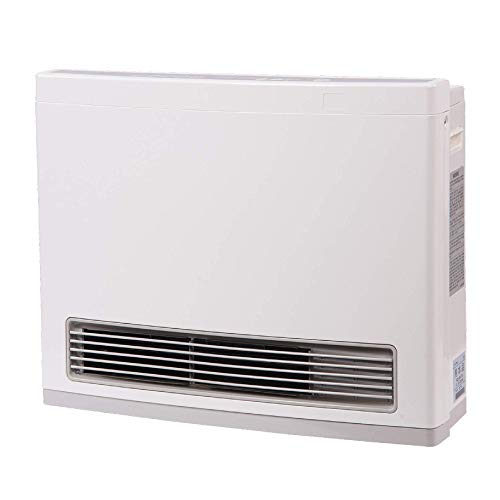


Best Ventless Gas Wall Heaters for Fast Warmth
ProCom Natural Gas Ventless Blue Flame Heater T-Stat
- Max BTU10,000
- Heated Area500 sq. ft.
- Control TypeThermostat Control
- Safety FeaturesOxygen Depletion Sensor, ANSI Certified
- Thermostat control with three heat levels
- Oxygen depletion sensor for safety
- No electricity required, works during power outages
- Slim, modern design with wall or floor mounting
- Maximum 10,000 BTU limits heating to smaller rooms
- Manual push button ignition may be inconvenient for some
Rinnai Ventless Natural Gas Heater with Programmable Thermostat
- Max BTU—
- Heated Area—
- Control TypeProgrammable Thermostat
- Safety FeaturesFlame Failure Device, Overheat Switch, Oxygen Depletion Sens
- Programmable digital thermostat with adaptive control
- Multiple safety sensors including tilt and flame failure
- Cool-to-touch child-safe cabinet with safety lock
- Self-diagnostics for easy maintenance
- Requires professional installation
- No BTU or heated area specified in the data
ProCom Natural Gas Ventless Infrared Plaque Heater T-Stat
- Max BTU30,000
- Heated Area1400 sq. ft.
- Control TypeThermostat Control
- Safety FeaturesOxygen Depletion Sensor, ANSI Certified
- High 30,000 BTU output for large areas
- Thermostat control with multiple heat levels
- Oxygen depletion sensor for safety
- No electricity needed, works during power outages
- Manual thermostat control may lack fine adjustment
- Infrared heat may feel different from blue flame models
ProCom Natural Gas Ventless Blue Flame Heater Manual Control
- Max BTU20,000
- Heated Area950 sq. ft.
- Control TypeManual Control
- Safety FeaturesOxygen Depletion Sensor
- High 20,000 BTU output for medium rooms
- Simple manual control with three heat settings
- Oxygen depletion sensor for safety
- No electricity required
- No thermostat control for precise temperature
- Manual ignition may be less convenient
ProCom Natural Gas Ventless Infrared Plaque Heater Manual
- Max BTU30,000
- Heated Area1200 sq. ft.
- Control TypeManual Control
- Safety FeaturesOxygen Depletion Sensor
- High 30,000 BTU output for large rooms
- Manual control with three heat settings
- Oxygen depletion sensor for safety
- No electricity required
- No thermostat for automatic temperature regulation
- Manual ignition can be less convenient
How to Choose a Ventless Gas Wall Heater
Ventless gas wall heaters suit people who want fast room heat without cutting a hole for a vent. Compared with a vented heater, a ventless model usually costs less to install and sends almost all of the burner heat into the room instead of up a flue, so at the same BTU rating it often feels warmer. For a single cold room, it is also usually cheaper upfront than extending a forced‑air duct run or installing a second vented appliance. The downside is that the combustion gases and moisture also stay in the room, so ventless heat works only where code allows and fresh air can dilute those byproducts.
Start by checking your local gas and building code and the heater manual for allowed locations. Many areas do not allow ventless units as the only heat source for a dwelling, and some ban them entirely in bedrooms, bathrooms, or very small rooms. Basements, tightly insulated new homes, and rooms without an operable window often push you toward a vented unit instead of ventless.
If your space fails any of those checks, plan on a vented heater or direct‑vent system instead of forcing a ventless unit to fit. For a deeper breakdown of vented vs ventless gas heaters, including long‑term cost and comfort, see vented vs ventless gas heaters.
Next, match the heater to your fuel supply. A natural‑gas model must connect to a natural‑gas line; a propane model must connect to an approved propane tank and regulator. In a house already piped for natural gas, staying with natural gas avoids refilling cylinders, while cabins, garages, and off‑grid spaces often rely on propane.
Choose Burner Style: Blue Flame vs Infrared
Ventless wall heaters use either a blue‑flame burner or an infrared (ceramic plaque) burner. Both are highly efficient, because none of the heat is lost up a vent; the difference is how they deliver that heat into the room.
- Blue flame (convection): Heats the room air, which then circulates. Best for insulated, enclosed rooms where you want even, gentle warmth across the whole space.
- Infrared / ceramic (radiant): Heats people and objects in front of the heater more directly. Feels hotter when you are in the line of sight and works well in drafty rooms or spaces with higher ceilings, but can create hot and cool spots.
Decide How Much Control You Want
A built‑in thermostat is worth paying for if you plan to use the heater often. Thermostatic models cycle the burner to hold a set room temperature; simple high/low units can leave you bouncing between too warm and too cool.
Ignition type also shapes day‑to‑day use. A standing pilot lights once at the start of the season and stays on, using a small amount of gas but working without batteries or house power. Electronic ignition lights the burner only when there is a heat call, wastes less gas between cycles, and restarts more easily after a shutdown, but adds cost and more parts to maintain.
Know the Limits of Ventless Heaters
A ventless gas wall heater is built to operate without a flue and cannot be “converted” to a vented unit. If you already suspect that you want the extra safety and moisture control of a vented system, buy a vented wall heater or direct‑vent furnace from the start instead of trying to modify a ventless model.
Every ventless heater adds water vapor and combustion byproducts such as carbon dioxide directly to the room air. In an older, slightly leaky house this usually drifts out through natural air changes; in a tight modern home it can lead to condensation on windows, stuffy air, and, if misused, elevated combustion gases—strong signs that a vented system would be a better match.
Space Heat vs Hot Water
Ventless gas wall heaters are for space heating only. Domestic hot water needs a dedicated gas water heater with its own safety controls, plumbing connections, and venting path for steam. If you came here looking for a ventless tankless gas water heater, head to ventless tankless gas water heater instead and plan on professional installation to meet plumbing and gas codes.
Sizing and Heat Output for Optimal Performance
Calculating the right BTU output is key to heating your room efficiently. Start by measuring the square footage. Multiply the square feet by 20 BTUs for average insulation. For example, a 400 sq ft room needs about 8,000 BTUs. Poor insulation or drafts can increase this number.
Insulation quality affects how much heat stays inside. Well-insulated rooms keep heat longer, so a lower BTU heater can suffice. Rooms with drafts, single-pane windows, or poor sealing lose heat quickly and need a higher BTU rating to maintain comfort.
Ventless gas wall heaters running on natural gas are common choices for many homes. They provide direct heat without venting losses. Compared to vented propane heaters, ventless models use all their heat indoors but require careful oxygen monitoring and ventilation.
| Appliance | Watts | Per hour | Per day (8 h) | Per month (30 days) |
|---|---|---|---|---|
| Ventless Gas Wall Heater 20,000 BTU | 5,860 W | 88¢ | $7.03 | $210.96 |
| Electric Space Heater 1,500 W | 1,500 W | 23¢ | $1.80 | $54.00 |
Choosing a heater with the right BTU output prevents wasted energy and uneven heating. Oversized heaters cycle off quickly, causing temperature swings. Undersized heaters run constantly but fail to warm the space adequately.
For more on vented gas heaters that safely heat rooms, see vented gas room heaters that heat safely. For water heating needs, consult our guide on ventless tankless gas water heaters.
Safety Standards for Ventless Gas Heaters
Ventless gas wall heaters are safe enough for indoor use when they are ANSI certified, installed to code, and used as supplemental heat in a room with adequate fresh air. They are less forgiving than vented heaters because every bit of combustion exhaust stays in the room instead of going up a flue.
Only buy a ventless heater labeled “unvented room heater” or “vent free” and showing ANSI certification for your fuel type (natural gas or propane) on the rating plate or in the manual. Brands like ProCom and Rinnai build their ventless wall heaters to that standard and include the key safety devices you should insist on.
An oxygen depletion sensor (ODS) monitors the burner flame; if room oxygen drops below a set level, the flame changes character and the ODS shuts off the gas valve. A flame failure device does the same if the flame blows out or lifts off the burner, cutting fuel before raw gas can accumulate. These devices reduce the risk of carbon monoxide buildup and gas leaks, but they do not replace ventilation or a separate carbon monoxide alarm.
From a safety standpoint, a properly installed vented gas heater has a wider margin because it sends combustion gases outdoors. A ventless heater is simpler and usually cheaper to buy and run, but it keeps all moisture and trace combustion byproducts in the room, so it is better as backup or zone heat than as the only heating system in a house.
Many building codes do not allow unvented gas heaters to be the sole permanent heat source and restrict them in small bedrooms and bathrooms. Basements can be tricky for ventless units because of limited air volume and weak natural air change; always confirm your local code allows ventless heaters below grade and size the heater exactly as the manual specifies. Avoid ventless heaters in attached garages or workshops with fuel, paints or solvents present, and use a sealed, vented unit there instead.
Ventless propane and ventless natural gas heaters follow the same safety principles and ANSI standard; the difference is only the fuel. Ceramic plaque (radiant) and blue flame (convection) ventless models also meet the same safety bar, so neither type is inherently safer or more efficient when they are certified and sized correctly.
Space heaters and water heaters follow different safety standards, so a wall heater must never be used to heat domestic water, and a water heater must not be repurposed as a room heater. If you actually need a ventless hot water heater, look at a listed ventless tankless gas water heater installed by a licensed plumber, and choose a separate ventless wall heater for space heating.
- Confirm ANSI ventless ratingOn the data plate or in the manual, verify it is described as an unvented or vent free room heater and is ANSI certified for the fuel you will use (natural gas or propane).
- Check local code and rulesAsk your building department or gas utility if ventless heaters are allowed in your jurisdiction and in the specific room type, and get landlord or HOA approval if applicable.
- Choose an appropriate roomUse ventless heaters only in rooms that meet the minimum cubic-foot volume the manual requires, and avoid using them as the only heat source, in very small bedrooms, bathrooms, or attached garages.
- Maintain safe clearancesMount the heater and route furniture so you meet or exceed the clearances listed in the manual; as a rule, keep at least 3 feet of open space in front of the unit and keep drapes, bedding and combustibles out of the side and top clearance zones.
- Add CO alarms and fresh airInstall carbon monoxide alarms as the alarm maker specifies, in the heater room and near bedrooms, and crack a window or leave a door open when the heater runs for long periods in a tight house.
- Schedule regular serviceHave a qualified gas technician clean the burner, check the flame pattern, and verify that the ODS and flame safety shutoff still operate correctly on a regular schedule, usually once a year before the heating season.
Understanding Ventless vs. Vented Heaters
Ventless and vented gas heaters differ mainly in how they handle combustion gases. Ventless heaters release combustion byproducts directly into the room, while vented heaters expel them outside through a flue or vent pipe.
Ventless heaters are more efficient because they use nearly all the heat generated without losing it through a vent. This makes them ideal for quickly heating smaller spaces up to about 500 square feet. However, they require good room ventilation and a working oxygen depletion sensor for safety.
Vented gas heaters are safer for larger or less ventilated spaces because they remove combustion gases outdoors. They require professional installation of venting systems, which adds to upfront costs and complexity. Vented heaters typically lose some heat through the vent but improve indoor air quality.
| Feature | Ventless Gas Heater | Vented Gas Heater |
|---|---|---|
| Heat Efficiency | High: ~99% heat used in room | Lower: 70-80% due to vent losses |
| Installation | Simple wall mount, no vent needed | Requires vent pipe installation |
| Safety Features | ODS sensor, flame failure device required | Flue to exhaust gases outside |
| Suitable Room Size | Small to medium rooms, up to 500 sq ft | Medium to large rooms, whole house |
| Operating Costs | Lower due to high efficiency | Higher due to heat loss via vent |
| Air Quality Impact | Consumes room oxygen, needs ventilation | No impact, gases vented outdoors |
Frequently Asked Questions
What are the advantages of ventless gas wall heaters?
How do I know if my gas heater is ventless?
Can you vent a ventless gas wall heater?
What safety features should I look for in a ventless gas heater?
Are ventless gas heaters safe for indoor use?
How do ventless and vented gas heaters compare in performance?
It helps to understand indoor heating with propane before spending anything.
If that sounds like your room, read up on small heaters for on-the-go warmth next.
