Winter in a UK student house can be brutal, especially when trying to keep heating costs down. Fortunately, there are many simple, non-permanent insulation fixes that can significantly improve your comfort and reduce energy bills.
Simple Insulation Fixes for Student Rentals in the UK
Student rentals often come with thin walls, single-pane windows, and gaps around doors that let cold air in and warm air out. Use weather stripping, thermal curtains, and window film to block drafts and reduce heat loss without making permanent changes.
These fixes are quick to install, removable, and affordable, perfect for renters who cannot alter the property structure. They improve comfort, lower heating bills, and require no landlord approval.
Many student rentals suffer from poor insulation because landlords avoid costly upgrades. Thin walls and old windows fail to keep heat inside, making rooms chilly and expensive to heat.
Drafts around doors and windows are the main cause of heat loss. Cold air sneaks in through cracks, while warm air escapes, forcing your heater to run longer and use more energy.
Start by sealing door and window gaps with weather stripping foam tape. This tape sticks to door frames and window sashes, filling cracks that cause drafts. It is easy to cut to size and install, and it peels off without damage when you move out.
- Measure GapsCheck the width and length of gaps around doors and windows where you feel cold air.
- Cut Weather StrippingCut foam tape to fit the measurements precisely for a tight seal.
- Clean SurfaceWipe the door frame or window edge clean and dry for good adhesion.
- Apply TapePress the tape firmly along the edges, making sure it sticks well and covers all cracks.

Thermal curtains add another layer of insulation by trapping air between the window and the fabric. Choose curtains with a thick lining and close them fully at night to keep heat inside.
Window insulation film is a transparent plastic sheet you apply with double-sided tape. It creates an insulating air pocket on the window surface, reducing heat loss through glass.
| Appliance | Watts | Per hour | Per day (8 h) | Per month (30 days) |
|---|---|---|---|---|
| 1,500 W electric heater | 1,500 W | 26¢ | $2.04 | $61.20 |
Understanding Your Rights as a Tenant
Tenants in the UK have specific rights when it comes to insulation and energy efficiency in their rental homes. Landlords must provide a safe and reasonably warm environment, which includes meeting minimum insulation standards.
Landlords are legally responsible for ensuring the property has adequate insulation to reduce heat loss and keep energy costs manageable. This responsibility is part of their duty to maintain the property in good repair and comply with energy efficiency regulations.
One key document is the Energy Performance Certificate (EPC). It rates the property’s energy efficiency from A (most efficient) to G (least efficient) and must be provided to tenants when a property is rented. An EPC highlights insulation quality and suggests improvements.
If your rental has a low EPC rating, it signals that insulation may be inadequate. You can ask your landlord to improve insulation or other energy-saving measures. Landlords must respond promptly to such requests, especially when poor insulation affects comfort or energy bills.
- Check Your EPCAsk your landlord for the EPC if you haven’t received it. Review the insulation ratings and recommended upgrades.
- Document IssuesNote any drafts, cold spots, or high heating bills as evidence to support your insulation concerns.
- Contact Your LandlordWrite a clear request for insulation improvements, referencing the EPC or specific problems.
- Seek Advice If NeededIf the landlord does not respond, contact a local tenant advice service or housing authority for guidance.
Quick Wins: No-Damage, Removable Fixes
Students can make a rental room warmer without permanent changes or landlord approval by using quick, removable insulation fixes. These solutions block drafts and retain heat without damaging walls or windows.
Thermal curtains are thick, insulated curtains that reduce heat loss through windows. Hang them over windows at night and open during the day to let sunlight warm the room. They are easy to install with tension rods or removable hooks.
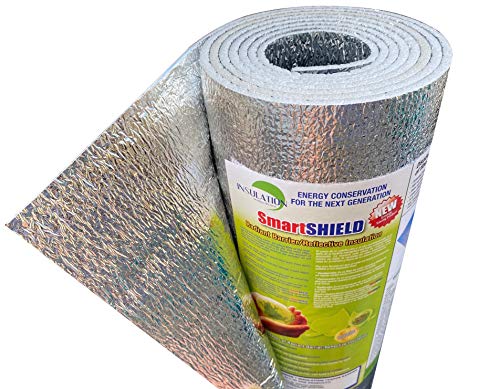
Radiator reflector foil is a thin, reflective sheet placed behind radiators on external walls. It reflects heat back into the room instead of letting it escape through the wall. It’s cheap, simple to attach with removable tape, and boosts radiator efficiency.
Rearranging furniture can also improve heat distribution. Keep sofas and chairs away from cold walls and windows. Place seating near radiators or heat sources to stay warmer and help circulate warm air better.
- Install Thermal CurtainsUse tension rods or removable hooks to hang thermal curtains over windows.
- Apply Radiator FoilAttach reflector foil behind radiators using removable adhesive tape.
- Rearrange FurnitureMove seating closer to radiators and away from drafty walls or windows.
Tackling Draughts: Doors, Windows & Gaps
Drafts commonly enter through gaps around doors, windows, and cracks in walls or floors. These let cold air in and warm air out, raising heating costs and making rooms uncomfortable.

Start by checking for drafts with your hand or a candle flame. Move slowly around door frames, window edges, and any visible cracks. Feeling cold air or flickering flame shows where sealing is needed.
- Apply Weather StrippingUse adhesive weather stripping tape on door and window frames to seal gaps. Clean the surface, then press the tape firmly along edges. Foam tape like Product 1 sticks well and blocks air leaks.
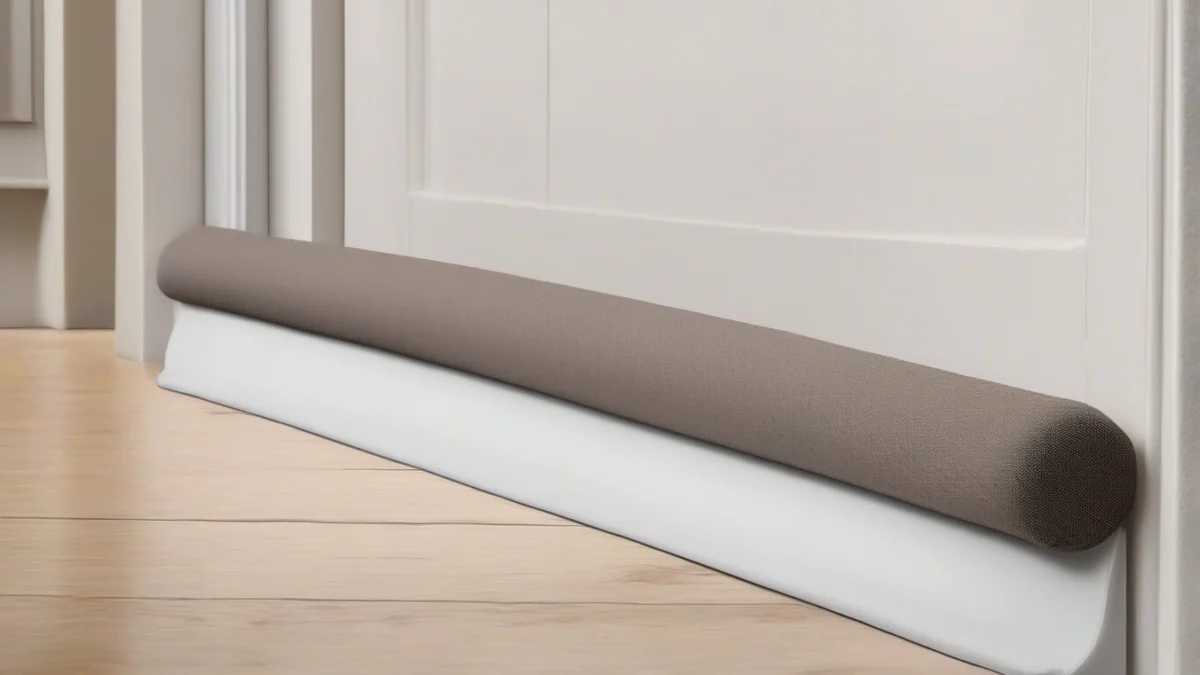
- Use Draught ExcludersPlace draught excluders under doors to block gaps at the bottom. Choose fabric or rubber types that fit tightly. They are easy to remove and leave no marks on floors.
- Seal Small Gaps with Acrylic CaulkFor cracks up to a quarter inch wide, apply acrylic caulk with a caulking gun. Smooth it with a wet finger or tool for a neat finish. Acrylic caulk is paintable and removable, suitable for rentals.
Communicating with Your Landlord for Bigger Issues
Landlords in the UK must provide rental properties with basic insulation and prevent excessive heat loss. If simple fixes don’t help, tenants should raise the issue clearly and professionally.
Document the problem by noting where drafts or cold spots occur. Take photos and keep records of temperature drops or increased heating bills. This evidence supports your request for repairs.
- Frame the Conversation Around Mutual BenefitsExplain that improving insulation reduces energy costs and protects the property from damp and damage. This approach can motivate landlords to act.
- Put Your Request in WritingSend a polite email or letter describing the insulation issues and your proposed solutions. Include your documentation and ask for a timeline on repairs.
- Know Your Landlord’s ObligationsLandlords must meet minimum energy efficiency standards and keep the property in good repair. Referencing these obligations can strengthen your case.
If the landlord does not respond or refuses repairs, tenants can seek advice from local housing authorities or tenant support organizations. Keep all correspondence as evidence.
For more on insulating rental properties effectively, see our guide on insulation fixes for rental apartments.
When to Replace Instead of Repair
Insulation in student rentals should be replaced when repairs no longer stop heat loss or moisture problems. If patches or temporary fixes fail to keep a room warm or dry, replacement is the next step.
Signs that insulation needs replacement include persistent cold spots on walls or ceilings, visible mold or damp patches, and insulation material that is compressed, crumbling, or missing in places. These indicate the insulation has lost its effectiveness.
Major insulation issues include water damage from leaks, pest infestations that have damaged insulation, and outdated materials that no longer meet current energy efficiency standards. These problems reduce the insulation’s ability to retain heat and can cause health issues.
- Check for persistent cold or damp areasUse your hand or a thermometer to find cold spots on walls or ceilings that remain cold even after repairs.
- Inspect insulation conditionLook behind accessible panels or in loft spaces for signs of damage, compression, or mold on insulation materials.
- Document issues for your landlordTake photos and notes about the damage or inefficiency you observe to support your request.
- Contact your landlordReport the problem clearly and ask for insulation replacement, explaining why repairs are insufficient.
- Follow up in writingKeep records of your communications to ensure your landlord addresses the problem.
Repair vs replace depends on the damage extent and insulation type. Small gaps or worn seals can be repaired with weather stripping or foam. Large areas of damaged or wet insulation require full replacement to restore thermal performance.
Approach replacement discussions with your landlord by emphasizing the benefits: lower heating bills, improved comfort, and compliance with rental property standards. Landlords are legally responsible for maintaining adequate insulation in UK rentals.
Frequently Asked Questions
What are the best temporary insulation methods for student rentals?
How can I reduce drafts in my rental property?
What should I do if my landlord won’t fix insulation issues?
Are there any legal requirements for insulation in rental properties?
What materials do I need for DIY insulation fixes?
How can I communicate effectively with my landlord about insulation?
The other half of this decision is safe insulation methods.
We cover 5 insulation hacks for older apartment buildings in its own guide. It helps to understand keeping warm in a rental before spending anything.