Living in a rental apartment often brings unique challenges with insulation. Drafty windows and poorly sealed doors can make your space cold and raise heating costs.
Insulation Fixes for Rental Apartments
Improving passive insulation in rental apartments starts with identifying drafts and cold spots. Use window insulation film and weather stripping for temporary, renter-friendly fixes that reduce heat loss without damaging surfaces.
First, check windows and doors for gaps by feeling for cold air or using a lit candle to see flickering flames. Focus on sealing these areas to stop drafts, which are the main source of heat loss in apartments.
- Locate Cold Spots and DraftsInspect windows, door frames, electrical outlets, and baseboards for airflow. Mark areas where you feel cold air or see visible gaps.
- Apply Window Insulation FilmUse a DIY window insulation kit designed for rentals. These kits typically include plastic film and double-sided tape. Cut the film to fit each window, tape it securely, and shrink it tight with a hairdryer for a clear, airtight barrier.
- Install Weather StrippingChoose removable foam or rubber weather stripping that sticks without damaging paint or wood. Apply it around window sashes and door edges to block drafts.

For insulation weight, use lightweight film and foam that add minimal bulk but still reduce heat transfer. Heavier, rigid insulation is not suitable for rentals as it requires permanent installation.
Fixing insulation in a rental means focusing on temporary, removable solutions that improve heat retention. Window film kits and weather stripping address the largest heat loss areas quickly and affordably, without landlord approval or damage.


Quick, Non-Damaging DIY Fixes
For fast insulation improvement, use window insulation film kits combined with draft stoppers and outlet gaskets. These fixes require no tools and leave no marks.
- Apply Window Insulation Film KitFollow the included instructions to tape and shrink the film over windows. This layer traps warm air and reduces cold drafts.
- Place Draft StoppersUse fabric or foam draft stoppers at the base of doors and windows to block cold air from entering. These are removable and cause no damage.
- Install Outlet GasketsSlip foam gaskets behind electrical outlet covers on exterior walls to reduce heat loss through outlet cavities.
- Add Removable Weather StrippingStick foam or felt weather stripping around door frames and window sashes. These peel off easily when no longer needed.
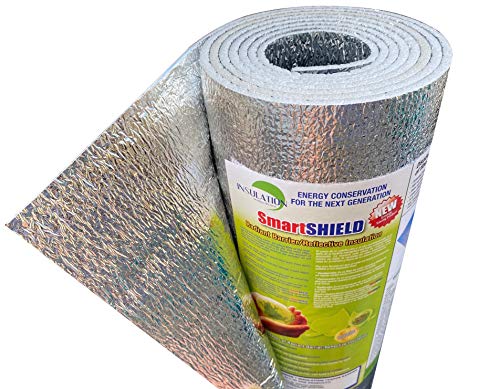
Top insulation patches like reflective foil-backed foam rolls can be cut to size and placed on cold walls or behind radiators. These patches reflect heat back into the room and are removable.
Patching insulation in rentals means using products designed for easy removal. Avoid spray foam or permanent adhesives that alter the structure or finish of your apartment.
These quick fixes can reduce heating costs and improve comfort immediately, making them well suited for renters who want simple, non-invasive insulation improvements.
How to Professionally Request Insulation Improvements
Fixing insulation in a rental apartment often means working with your landlord. The most effective improvements include sealing gaps, adding weather stripping, and increasing insulation thickness around windows and doors. The typical insulation thickness to aim for is at least 3 to 6 inches in wall cavities or attic spaces, but landlords may only be responsible for certain areas depending on your lease and building codes.
- Document the IssuesTake photos and videos of drafts, cold spots, and any visible damage like torn insulation or gaps. Write down dates and temperatures to show how the problem affects you over time.
- Frame Requests as Mutual BenefitsExplain how better insulation reduces energy costs and wear on heating systems, which benefits both you and the landlord. Offer to provide estimates or research on professional services.
- Suggest a Professional Energy AuditRecommend that the landlord hire a certified energy auditor to assess the apartment. This provides objective data and a clear plan for insulation upgrades.
Safety Considerations for Insulation Fixes
When improving insulation, safety is key. For example, if you add insulation hatch covers or patch tearholes in existing insulation, make sure you do not block emergency exits or heating vents. Blocked vents can cause overheating or carbon monoxide buildup.
Some insulation materials release dust or fibers. Use proper ventilation during installation and wear gloves and masks if handling fiberglass or spray foam. Avoid sealing rooms so tightly that air circulation stops.
Cost-Benefit Analysis of Common Solutions
Insulation fixes in rental apartments vary widely in impact on energy bills. Window insulation film kits and weather stripping fit renter needs well. They install and remove easily without damage.
Draft stoppers and outlet gaskets block cold air entry points with little effort. They help reduce heating bills by about 5% to 10%, depending on the apartment’s condition.
Heavier solutions like thermal curtains or removable foam panels improve heat retention noticeably, up to 15%. They need more effort to install and may require landlord approval.
| Solution | Approximate Cost | Installation Effort | Estimated Energy Savings |
|---|---|---|---|
| Window insulation film | Per window, low cost | Low, DIY peel-and-stick | 5–10% |
| Weather stripping | Per door or window, budget option | Low, peel-and-stick or adhesive | 5–10% |
| Draft stoppers | Each, affordable | Very low, place at door base | 5% |
| Thermal curtains | Per panel, moderate cost | Medium, hang with rods | 10–15% |
| Foam panels | Per window, moderate cost | Medium, removable adhesive | 10–15% |
| Appliance | Watts | Per hour | Per day (8 h) | Per month (30 days) |
|---|---|---|---|---|
| Window insulation film (150 W) | 150 W | 2.6¢ | 20¢ | $6.12 |
| Thermal curtains (50 W) | 50 W | 0.9¢ | 6.8¢ | $2.04 |
Renter-friendly options avoid damage and keep deposits safe. Window film, weather stripping and draft stoppers fit this category. They improve comfort and reduce heating costs with minimal upfront investment and no need for landlord approval.
Thermal curtains and foam panels offer stronger insulation but increase installation effort and may risk lease violations if not approved. Their higher upfront cost can pay off over time in reduced energy bills, especially in colder climates.
Choosing the right solution depends on your budget, lease terms and how much effort you can invest. For fast results with low risk, start with window film and weather stripping. Add thermal curtains if you want more warmth and your landlord agrees.
For more ideas on no-damage insulation fixes, see no-drill insulation ideas for rental apartments. If heating remains a problem, consider checking the best heaters for a draughty rental flat.
Frequently Asked Questions
What are some effective temporary insulation solutions for apartments?
How do I identify drafts in my rental apartment?
What materials are best for DIY insulation fixes?
Can I legally make insulation improvements in my rental?
What should I do if the insulation in my apartment is damaged?
How thick does insulation need to be for effective results?
We go through insulating utility rooms step by step in a separate article.
Before you buy anything, it is worth looking at 5 insulation tricks for a warmer, more efficient home.