
Many homeowners struggle with conservatories that are too cold in winter and too hot in summer. A poorly insulated roof is often to blame, leading to temperature swings and condensation issues.
How to Insulate a Conservatory Roof Cheaply
The best way to insulate a conservatory roof cheaply is to use reflective foil insulation combined with foam board or mineral wool for the walls. For the inside of conservatory walls, rigid foam panels or insulated plasterboard work well to reduce heat loss without major construction.
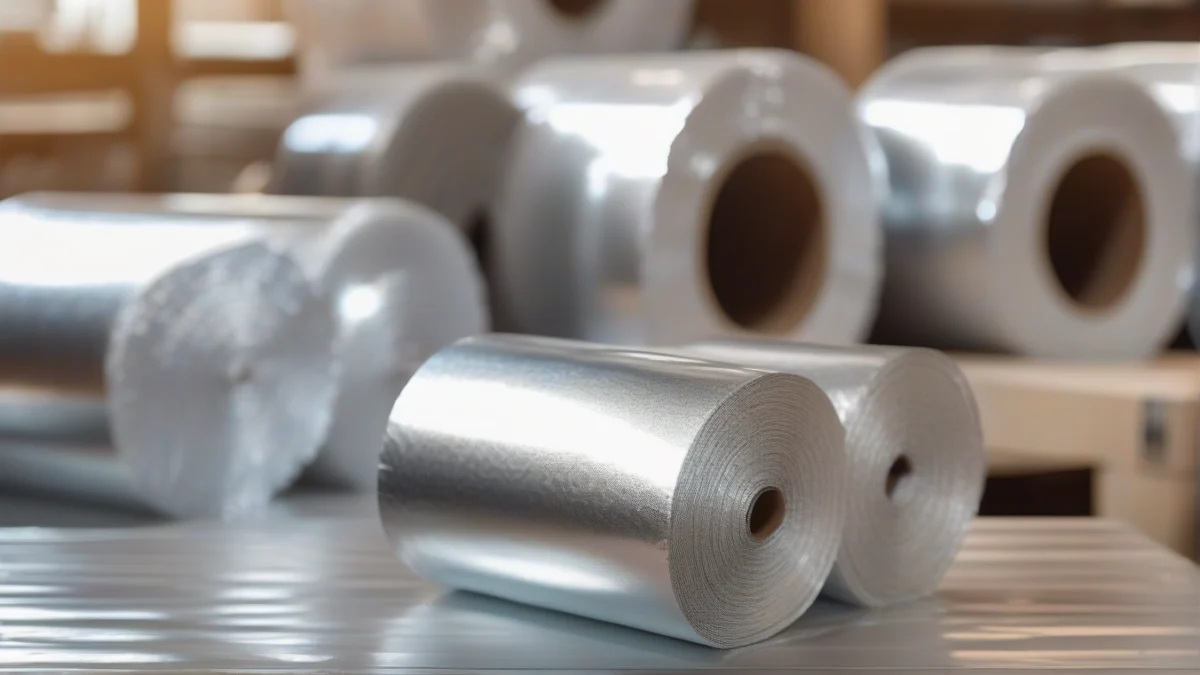
DIY methods include installing a radiant barrier foil directly under the roof glazing, adding foam insulation panels to the walls, and sealing gaps to stop drafts. These steps improve thermal retention without expensive materials or professional installation.
Conservatory roofs need insulation materials that resist heat transfer and moisture buildup. Reflective foil insulation blocks radiant heat, keeping summer heat out and winter warmth in. Foam boards provide a thermal break on walls, while mineral wool offers sound and heat insulation if there is frame space.
- Measure Your Conservatory Roof and WallsCalculate the square footage of your roof and wall areas to know how much insulation material you need.
- Install Reflective Foil on the RoofAttach a foil radiant barrier like the COLL7AWS product to the underside of the roof glazing. This blocks up to 97% of radiant heat and acts as a vapor barrier.
- Add Foam Boards to WallsFix rigid foam insulation panels on the inside of the conservatory walls with adhesive or mechanical fixings. Seal edges with tape to prevent drafts.
- Seal Drafts and GapsUse weatherstripping or caulk around window frames, door edges, and wall joints to reduce heat loss from air leaks.

The best thing to insulate inside conservatory walls is rigid foam board or insulated plasterboard. These materials are affordable, easy to cut, and provide continuous insulation without reducing interior space much. Mineral wool can be used if the wall has a cavity or frame to hold the insulation.
How to insulate the walls on a conservatory cheaply is to use foam board panels fixed directly on the wall surface and sealed properly. This avoids the cost of rebuilding walls or adding external cladding. Combined with sealing drafts, this method keeps the conservatory warmer and reduces heating bills.
Choosing the Right Insulation Materials
Insulating a conservatory roof well begins with selecting materials that fit your structure and budget. For the dwarf wall, rigid foam panels or mineral wool batts work best. These materials block heat loss effectively while fitting into the narrow space of a dwarf wall.
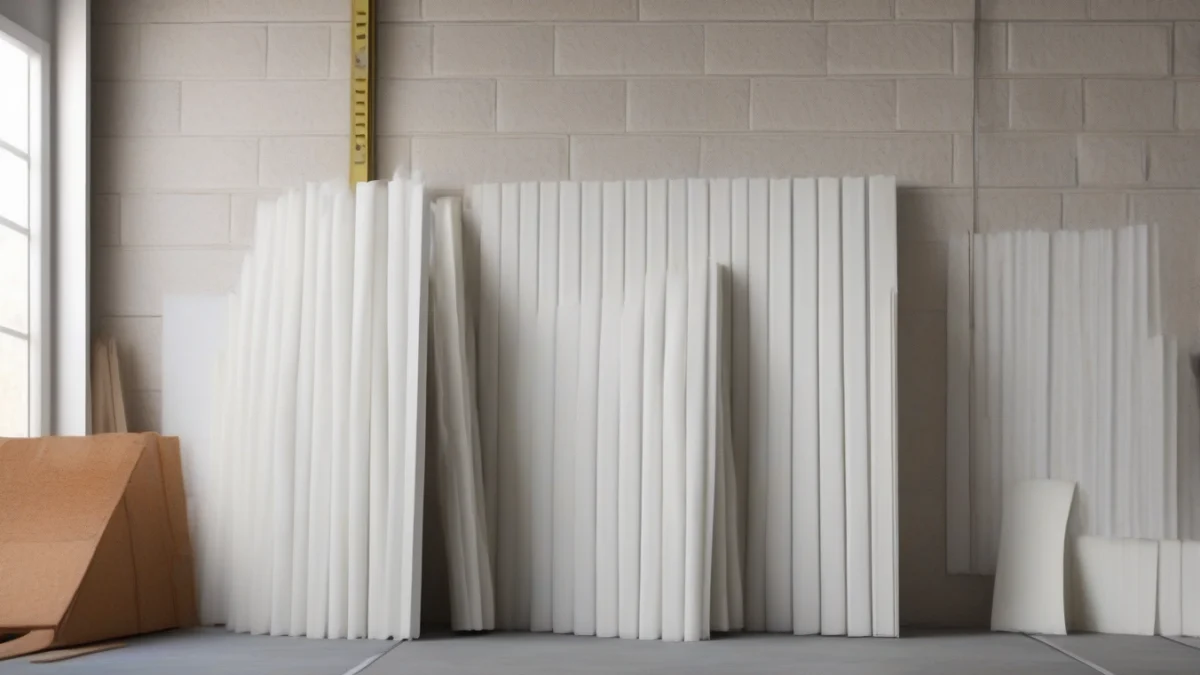
Thermal foil insulation reflects radiant heat back into the room. It is thin, lightweight, and easy to install between rafters or under clear roof panels. However, foil alone does not provide much resistance to conductive heat loss, so it is best combined with foam or mineral wool for a complete thermal barrier.
Rigid insulation panels, such as polyisocyanurate or expanded polystyrene, offer high R-values per inch of thickness. They are moisture resistant and stable, making them suitable for conservatory roofs exposed to humidity. These panels fit tightly between roof joists or onto the dwarf wall, reducing drafts and thermal bridging.
Insulation kits designed for conservatory roofs often combine reflective foil with foam boards or mineral wool. These kits simplify installation by including compatible layers that work together for better overall insulation. Kits vary in price but can save time and reduce errors.
| Insulation Type | Thermal Performance (R-value per inch) | Cost Range (per sq ft) | Best Use |
|---|---|---|---|
| Thermal Foil | 0.1 – 0.5 | Low | Reflective layer to reduce radiant heat loss |
| Rigid Foam Panels | 5 – 7 | Medium | Primary insulation for roof and dwarf wall |
| Mineral Wool Batts | 3 – 4 | Medium-Low | Fill cavities, soundproofing, and fire resistance |
| Conservatory Insulation Kits | Combined R-values 3 – 6 | High | Complete layered insulation for roofs |
For the dwarf wall, rigid foam panels are usually the best choice. They provide strong insulation in a limited space, resist moisture, and can be cut to fit. Mineral wool is an option if you want added fire resistance and soundproofing, but it requires a vapor barrier to prevent dampness.
Thermal foil works best as part of a layered system rather than the sole insulation. It reduces heat loss from radiation but adds little resistance to conduction and convection. Combining foil with rigid panels or mineral wool creates a more effective thermal barrier.
Cost varies widely depending on material thickness and brand. Rigid foam panels tend to cost more upfront but offer higher insulation value per inch, which can save space and improve comfort. Mineral wool is often cheaper but bulkier and requires careful installation to avoid gaps.
When buying insulation kits, check that they include both reflective and bulk insulation layers. Kits tailored for conservatories usually come with installation instructions that help you achieve a tight fit and good air sealing, which is crucial for performance.
Choose materials certified for moisture resistance and fire safety, especially since conservatories can have high humidity and direct sunlight. Look for UL, ASTM, or similar certifications on rigid panels and mineral wool products.
- Thermal foil reflects radiant heat and is lightweight
- Rigid foam panels provide high R-value and moisture resistance
- Mineral wool adds fire resistance and soundproofing
- Insulation kits combine layers for easier installation
- Thermal foil alone has low insulation value
- Rigid foam panels can be more expensive upfront
- Mineral wool requires vapor barrier and careful fitting
- Kits may cost more and include unnecessary materials
Step-by-Step Installation Guide for Conservatory Roof Insulation
Start by measuring the conservatory roof area accurately. Use a tape measure to get the length and width of the roof panels. Multiply these to find the square footage, adding 10% extra for overlaps and cutting waste.
- Prepare the Roof SurfaceClean the roof surface and remove any old insulation or debris. Check for damage or leaks and repair before proceeding.
- Install Reflective Foil InsulationCut reflective foil insulation to fit between the roof rafters. Staple or tape the foil securely, ensuring the reflective side faces the interior to reflect heat back into the room.
- Add Foam Board or Mineral WoolPlace foam board or mineral wool insulation over or between the rafters for thermal resistance. Cut panels precisely to avoid gaps, and fit snugly without compressing the material.
- Seal All Joints and EdgesUse foil tape or expanding foam to seal joints, edges, and around any penetrations like vents or pipes. Effective sealing prevents heat loss through air leaks.
- Insulate the Dwarf WallApply rigid foam board insulation to the dwarf wall inside the conservatory. Attach boards with adhesive or mechanical fixings and seal seams with tape. This reduces heat loss at the base of the roof.
Common mistakes include leaving gaps between insulation panels and insufficient sealing around edges. These reduce the overall thermal performance and can cause drafts.
When insulating a dwarf wall, avoid using flexible insulation that can sag. Rigid foam boards maintain shape and provide consistent insulation.
Seal around window frames and door junctions carefully to prevent cold air infiltration.
For the best results, install insulation during dry weather to avoid trapping moisture.
If your conservatory roof has glass panels, consider removable insulation panels for summer months to maintain natural light.
After installation, check the insulation for any signs of gaps or damage periodically and repair as needed to maintain efficiency.
This installation approach balances cost and effectiveness, improving comfort and reducing heating bills.
For more on preventing drafts in your conservatory, see stop cold drafts from your conservatory roof.
Maintenance and Troubleshooting Common Issues
Heating a cold conservatory starts with maintaining the insulation you installed. Even the best materials lose efficiency if seals degrade or moisture builds up. To keep your conservatory warm, check regularly for leaks around roof panels and frame joints. Warm air escaping or cold drafts indicate broken seals that need resealing or replacement.
To maintain insulation performance, keep seals airtight and ensure good ventilation. Fit trickle vents or use dehumidifiers to reduce humidity inside the conservatory. Inspect insulation materials for signs of dampness or compression, which lower thermal resistance.
- Inspect SealsLook for cracks or gaps in roof seals, window frames, and door joints every six months.
- Check for MoistureFeel insulation surfaces and roof panels for damp spots or mold growth.
- VentilateOpen vents or windows periodically to allow moisture to escape, especially after cooking or watering plants.
- Repair PromptlyUse silicone sealant or weatherstripping to fix leaks as soon as you find them.
If your conservatory still feels cold despite insulation, consider adding a supplementary heat source. Electric space heaters with thermostats provide quick warmth. Oil-filled radiators keep heat longer but take time to warm up. Use these safely with at least 3 feet of clearance and never leave unattended.
Maintaining insulation also means protecting it from physical damage. Avoid storing heavy items on insulation panels or leaning ladders against the roof. Damaged insulation loses its ability to retain heat and may require replacement.
| Issue | Cause | Fix |
|---|---|---|
| Cold drafts | Broken or missing seals | Reseal with silicone or weatherstripping |
| Condensation | Poor ventilation, high humidity | Increase ventilation, use dehumidifiers |
| Damp insulation | Roof leaks or condensation | Repair leaks, dry or replace insulation |
| Insulation compression | Heavy objects or impact | Remove weight, replace damaged sections |
Cost Considerations for Conservatory Roof Insulation
You can insulate your conservatory roof cheaply by focusing on materials and methods that offer the best balance of cost and performance. Reflective foil insulation combined with foam board or mineral wool is affordable and effective. This approach lowers heating bills by reducing heat loss through the roof, which is a major source of energy waste in conservatories.
To calculate potential savings, consider your current heating costs and how much energy you use to maintain comfort. A conservatory roof without insulation can lose up to 25% of heat. Adding insulation can cut heating demand by about 30% to 50%, depending on the material and installation quality. For example, if you spend $100 a month heating the conservatory, insulation could save $30 to $50 monthly.
| Item | Typical Cost Range | Expected Lifetime |
|---|---|---|
| Reflective foil insulation | Varies by material and thickness | 15 to 20 years |
| Foam board insulation | Varies by material and thickness | 20 to 30 years |
| Mineral wool insulation | Varies by material and thickness | 30 to 40 years |
Initial costs include materials and any tools or fasteners needed for installation. Doing the work yourself cuts labor expenses but requires careful preparation and safety measures. The upfront investment typically pays back within 2 to 4 years through lower heating bills, depending on your local energy prices and how often you use the conservatory.
Long-term benefits go beyond direct savings. Insulation improves comfort year-round by keeping the conservatory warmer in winter and cooler in summer. It also helps protect the roof structure from condensation and moisture damage, which can extend the life of your conservatory and reduce maintenance costs.
When choosing insulation materials, consider their lifespan and effectiveness relative to cost. Cheaper options may wear out sooner or perform less well, which can increase total costs over time. Investing in quality insulation that fits your budget ensures better value and lasting results.
Insulating your conservatory roof on a budget means balancing upfront costs with future energy savings. Choose materials that offer effective thermal resistance without high prices. This strategy keeps the project affordable and helps you enjoy a warmer space for years.
Frequently Asked Questions
What is the best material to insulate a conservatory roof?
Can I insulate the walls of my conservatory?
How do I prevent condensation in my conservatory?
What are the signs that my conservatory needs insulation?
Is it worth insulating a conservatory roof?
How much can I save on energy bills by insulating my conservatory?
We cover preventing heat loss through floors in its own guide.
There is more on tips for cozy sunless spaces in a guide of its own.
