
Winter in a rental can be uncomfortable, especially with drafts and rising energy bills. Fortunately, there are several non-permanent solutions that can help without damaging the property.
5 Reversible Thermal Upgrades for Renters
Keeping your rental warm without risking your security deposit is possible. Use reversible thermal upgrades that do not damage walls, windows, or doors. These changes improve insulation and reduce drafts. They help keep heat in and cold out, lowering your heating bills. Each upgrade is easy to install and remove when you move out. This guide shows five effective steps to stay warm while renting.
Start by reviewing your lease to understand what modifications you can make. Many leases restrict permanent alterations, so choose upgrades that are easy to remove and leave no damage.
- Check Your Lease and Ask PermissionRead your rental agreement for rules about modifications. If unclear, ask your landlord before starting any upgrades to avoid disputes.
- Use Window Insulation Film or Shrink WrapApply clear plastic film or shrink wrap kits over windows using double-sided tape. These reduce heat loss and peel off cleanly at move-out.
- Seal Drafts with Removable WeatherstrippingInstall foam or rubber weatherstripping around doors and windows. These strips press in place and can be removed without residue.
- Employ Portable Heaters and Thermal CurtainsUse electric space heaters that plug directly into a wall outlet and have safety features like tip-over protection. Hang thermal curtains to block cold air and keep heat inside.
- Remove Upgrades CarefullyWhen leaving, peel off films and weatherstripping slowly to avoid paint damage. Clean window surfaces and patch small holes with removable putty if needed.
These reversible upgrades combine to make rentals warmer without permanent changes. For more ways to add insulation quickly and safely, see 5 Simple Insulation Upgrades You Can Do This Weekend or 5 Thermal Hacks to Warm Your Home Fast.
Understanding Your Lease and Permissions
Renters often wonder what thermal upgrades they can make without risking their security deposit. The first step is to review your lease agreement carefully. Look for any clauses about alterations or modifications to the property, including windows, walls, and fixtures. Many leases forbid permanent changes but allow temporary or non-damaging improvements.
Without explicit permission, renters can usually install non-invasive solutions like removable weatherstripping, draft stoppers, and window film kits that peel off without residue. These do not alter the structure and typically do not require landlord approval. However, anything that involves drilling, painting, or permanently attaching materials may need written consent.
Communicating with your landlord about your planned upgrades builds trust and avoids surprises. Explain that you propose reversible, non-damaging thermal improvements to reduce energy costs and keep the unit comfortable. Some landlords welcome this because it can protect their property and lower heating bills.
If your lease does not clearly cover alterations, ask your landlord in writing for permission to install specific upgrades. Keep your requests detailed and emphasize that you will restore the unit to its original condition before moving out. This paperwork can prevent disputes later.
Focus on solutions designed for easy removal. Examples include removable window insulation film, thermal curtains hung on tension rods, and draft blockers placed at door bottoms. These upgrades improve warmth and energy efficiency without violating lease terms or risking damage.
Effective Window Insulation Techniques
Windows can be a major source of heat loss in rentals. Insulating them effectively without damage is key to staying warm. Renters should use temporary window insulation solutions that do not require drilling or permanent fixtures.
- Apply Removable Window Film KitsClean the window glass thoroughly. Cut the film to fit the window pane. Use double-sided tape or adhesive strips included in the kit to attach the film to the window frame. Use a hair dryer to shrink the film tight, creating an airtight seal that reduces drafts and heat loss.
- Create DIY Window Insulator PanelsCut rigid foam board or acrylic sheets slightly larger than the window opening. Cover the panel with reflective insulation or bubble wrap for extra thermal resistance. Fit the panel inside the window frame using removable weatherstripping or spring tension rods to hold it in place. Remove easily when no longer needed.
Temporary window insulation kits and DIY panels are affordable and renter-friendly. They improve comfort without permanent changes or landlord approval. Use these methods along with draft sealing around windows and doors for best results.
Sealing Drafts Around Doors and Windows
Sealing drafts is one of the simplest ways renters can keep heat inside without risking their security deposit. Temporary weather stripping and draft stoppers block cold air from sneaking in around doors and windows, improving comfort and reducing heating costs.
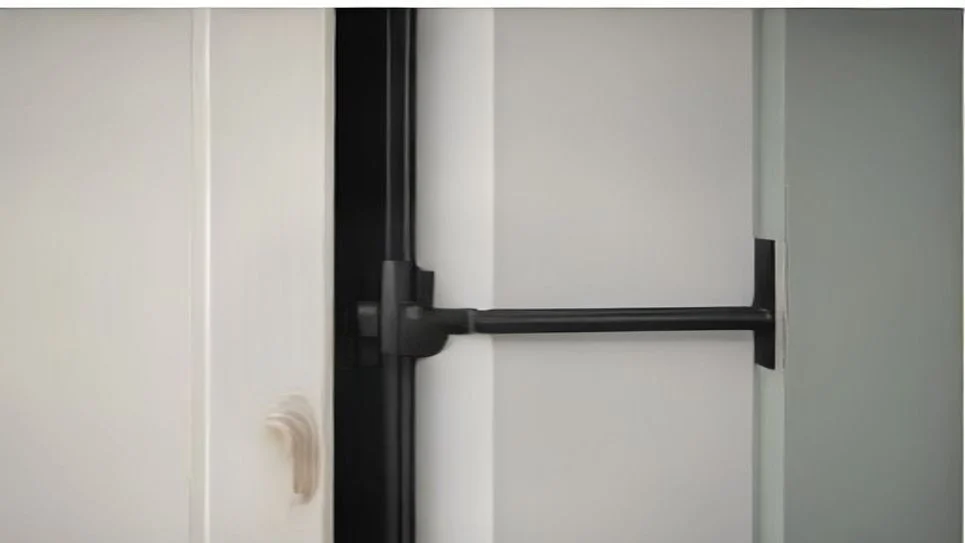
Use removable foam or rubber weather stripping on door and window edges. These strips press in place and peel off cleanly when you move out. For gaps under doors, a draft stopper or a rolled towel works well to block cold air.
You can also apply removable caulk alternatives to seal cracks. These gel or putty products fill gaps and peel off without damage. Check the package to confirm they are safe for painted surfaces and easy to remove.
- Locate draft sourcesCheck for cold air by holding a lit candle or incense stick near doors and windows. Watch for flickering or smoke movement.
- Apply weather strippingCut strips to size and press firmly along door frames, window sashes, or anywhere cold air enters.
- Use draft stoppersPlace draft stoppers at the base of doors and windows to block air leaks.
- Seal cracks with removable caulkApply gel or putty caulk to small cracks, smoothing it to fill gaps. Let it dry before testing.
Sealing drafts improves heating efficiency by reducing the amount of cold air that forces your heater to work harder. Less heat escapes, so your room stays warmer longer and your heating bills drop. The U.S. Department of Energy estimates draft sealing can save 10% to 20% on heating costs.
Portable Heating Solutions and Thermal Curtains
Portable space heaters offer renters flexible warmth without installation or permanent changes. Choose efficient models with adjustable heat settings and safety features like tip-over and overheat protection.
Ceramic heaters heat quickly and are good for short-term use in small rooms. Oil-filled radiators provide steady, lasting warmth for bedrooms or living areas. Both types usually draw 1,500 watts, the maximum safe load for most household outlets.
Use thermal curtains to reduce heat loss through windows. Attach them with tension rods or removable adhesive hooks that won’t damage walls or trim. Keep curtains closed at night to trap heat and open them during sunny days to let warmth in.
Position portable heaters away from curtains, furniture, and foot traffic. Place them on level surfaces with at least 3 feet of clearance to prevent fire hazards. Never use extension cords or power strips with space heaters.
Maximize warmth by combining portable heating with thermal curtains and draft sealing. Heating one room effectively costs less than heating the whole home. Use a timer or thermostat to avoid wasting energy when the room is unoccupied.
For renters, portable heaters and thermal curtains offer practical, reversible ways to improve comfort and reduce heating costs without altering the property. Follow safety guidelines and your lease terms to avoid issues.
Properly Removing Upgrades to Leave No Trace
Removing window films and tapes without damage requires patience and careful technique. Heat the film gently with a hair dryer to soften the adhesive before peeling. Pull the film slowly at a low angle to avoid tearing or leaving residue.
- Remove window films and tapesUse a hair dryer on low heat to warm the film or tape. Start peeling at a corner, pulling steadily and slowly to avoid ripping.
- Clean adhesive residueApply a mixture of warm water and mild dish soap to the sticky spots. Use a soft cloth or sponge to rub gently until the residue lifts. For stubborn spots, a rubbing alcohol solution can help, but test on a small area first.
- Document the conditionTake clear photos of windows, doors, and other treated areas before removal and after cleaning. This helps prove you left the property in good condition.
Leaving no trace means restoring surfaces to their original state. Cleaning adhesive residue fully and documenting your work protects your security deposit. These steps apply to all temporary upgrades covered earlier, including draft seals and thermal curtains diy window insulation for uk renters.
Frequently Asked Questions
What are the best temporary insulation solutions for renters?
How can I communicate with my landlord about insulation upgrades?
What is the most effective way to seal drafts in a rental?
What portable heating options are safe for renters?
How do I remove window insulation without damaging the frame?
Are there any products specifically designed for renters to insulate?
The other half of this decision is non-invasive insulation solutions.
Before you buy anything, it is worth looking at insulating small homes.
