
Cold air seeping through brick vents can make your home uncomfortable and drive up heating costs. These vents are designed to allow moisture to escape, but they can also let in chilly drafts during winter months.
How to Stop Cold Air Coming Through Brick Vents
Seal brick vents by first identifying their purpose and condition, then use breathable materials that block drafts without trapping moisture. Air seal around the vents with foam or vent covers designed for ventilation to avoid cold drafts inside your home.
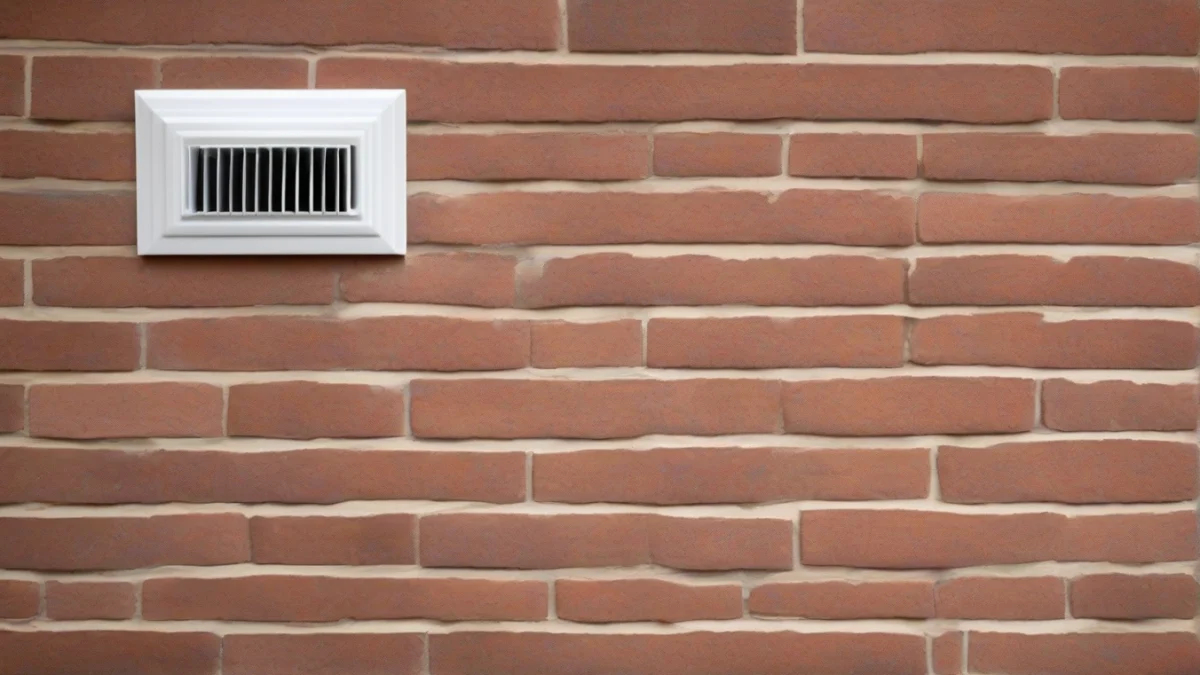
Brick vents let air flow under floors or through walls to prevent damp and rot. They are common in older homes with crawl spaces or brick foundations. Sealing them completely with non-breathable material can trap moisture, causing damage.
Start by locating all exterior brick vents around your home. Check for visible gaps, cracks, or broken vent covers letting cold air in. Use a flashlight inside to see if the vents are clear or blocked by debris.
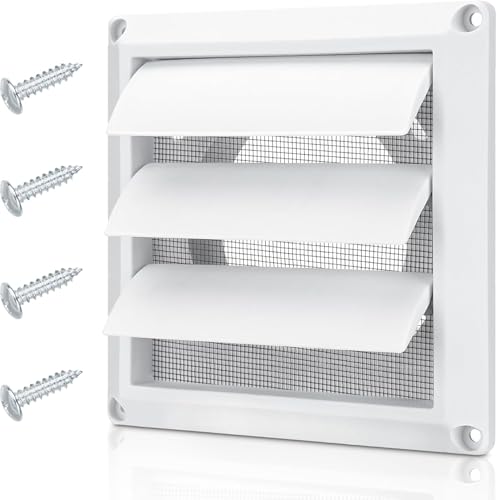
Choose sealing materials that reduce drafts but remain breathable. Rigid foam board with a vented cover, metal mesh with weatherproof paint, or vent covers with adjustable louvers work well. Avoid plastic sheeting or caulk that stops airflow.
To air seal around vents, use expanding foam spray in gaps around the vent frame. This closes cracks where cold air leaks without sealing the vent opening itself. Weatherstripping can also help on vent covers that open or close.
- Step 1: Clean the Vent OpeningRemove dirt, leaves and debris from both sides of the vent. This ensures sealing materials adhere well and airflow is unobstructed.
- Step 2: Inspect for DamageCheck bricks and mortar for cracks near the vent. Repair with exterior-grade mortar or sealant to prevent air leaks.
- Step 3: Apply Expanding FoamSpray expanding foam around the vent frame gaps on the exterior wall to seal air leaks. Trim excess foam once cured.
- Step 4: Install a Breathable Vent CoverAttach a vent cover designed to block drafts but allow airflow. Secure it with screws or masonry anchors.
- Step 5: Check Ventilation FunctionEnsure the vent cover does not block airflow completely. Adjust louvers or mesh size if needed.
Addressing cold air through brick vents reduces heating costs and improves comfort. For detailed sealing methods and materials that balance airflow and insulation, see How to Stop Cold Air Coming Through Vent Bricks UK.

Understanding Brick Vents and Their Importance
Brick vents are openings in brick walls designed to allow air circulation within wall cavities or crawl spaces. They often include weep holes, small gaps at the base of brickwork that let moisture escape. Both features help prevent dampness and mold inside walls.
Ventilation through brick vents reduces moisture buildup by letting humid air escape and fresh air enter. Without this airflow, trapped moisture can cause wood rot, rust, and structural damage. That is why permanently sealing brick vents without providing alternative ventilation can lead to costly repairs.
Some homeowners want to fill the hole left by a removed brick vent to stop cold air or pests like mice. The best approach is to use a breathable filler such as mortar mixed with lime or a vented brick insert. These solutions block drafts while maintaining airflow and moisture escape.
Sealing brick vents to stop mice is common, but blocking the entire vent can trap moisture and cause damage. Instead, install metal mesh screens designed for vents. These keep rodents out but still allow air and moisture to pass through.
Steps to Seal Brick Vents Effectively
- Assess the Vent ConditionInspect each brick vent for damage, blockages, and signs of moisture. Clear out debris like leaves, dirt, or nests to restore airflow. Check that the vent is still needed for ventilation before sealing.
- Clean the Vents ThoroughlyUse a wire brush or vacuum to remove dust and loose mortar. Avoid using water inside the vent to prevent moisture buildup. Cleaning ensures sealants or materials will adhere properly.
- Decide on Temporary or Permanent SealingTemporary sealing works for winterizing and is removable in spring. Use foam board or rigid insulation cut to vent size, secured with weather-resistant tape. Permanent sealing uses breathable materials like vent covers or mesh to block drafts but allow air and moisture passage.
- How to Seal Holes in Air VentsFill small holes or cracks with exterior-grade caulk or mortar patch. For larger openings, install a vent cover with a built-in screen to keep out cold air and pests while maintaining ventilation.
- Winterize Brick Weep HolesInsert foam backer rod or pipe insulation into weep holes to reduce cold drafts. Cover with breathable mesh or vent covers that prevent water intrusion but allow moisture to escape.
- Install Selected Materials CarefullyCut materials to fit snugly inside or over the vent opening. Attach with corrosion-resistant screws or appropriate adhesive. Ensure no gaps remain that allow cold air to pass through.
- Maintain Clearance and VentilationDo not seal vents completely if they provide necessary airflow for moisture control. Leave at least 25% of the vent area open or use vent covers designed for airflow. Check local building codes for ventilation requirements.
Recommended Materials for Sealing Brick Vents
Use steel wool size #0000 to fill the space inside the brick vent cavity. This fine steel wool blocks drafts while allowing some airflow and moisture passage. Avoid coarser grades that do not fit tightly or finer grades that rust quickly.

For closing a wall vent in brick, use rigid metal vent covers or breathable vent bricks designed to fit over the opening. These allow air circulation while reducing cold air infiltration. Plastic or foam covers block air but trap moisture and risk damage.
| Material | Properties | Pros | Cons |
|---|---|---|---|
| #0000 Steel Wool | Fine metal fibers, fits tightly inside vent cavity | Blocks drafts, allows moisture escape, inexpensive | Rusts over time, needs replacement every few years |
| Metal Vent Cover | Rigid metal panel with vent holes | Durable, allows airflow, weather-resistant | Requires precise fit, may need screws or anchors |
| Breathable Vent Brick | Porous brick designed for ventilation | Maintains airflow and moisture balance, blends with wall | Higher cost, installation requires mortar skills |
| Foam Sealant | Expands to fill gaps | Blocks air effectively, easy to apply | Traps moisture, not breathable, can damage brick |
| Plastic Vent Cover | Rigid plastic with vent holes | Lightweight, inexpensive | Traps moisture, less durable, may warp |
Select materials that balance draft prevention with ventilation. Steel wool is best for filling inside the vent cavity below the brick layer. Use metal or breathable vent covers to close the visible vent opening without blocking airflow.
Avoid using airtight materials like foam or plastic that trap moisture inside the wall cavity. Moisture buildup can cause mold, rot, or brick damage. Always maintain some ventilation when sealing vents.
- Insert Steel WoolPush #0000 steel wool into the vent cavity to fill gaps and block drafts. Wear gloves to avoid injury from metal fibers.
- Attach Vent CoverInstall a metal or breathable vent cover over the vent opening. Secure it with screws or anchors suitable for brick.
- Check for AirflowConfirm some air passes through the vent cover to prevent moisture buildup. Replace steel wool every 2–3 years as it rusts.
When to Call a Professional for Vent Issues
Vent the top of a brick cavity only if the design allows airflow while preventing water entry. A professional can assess if adding or modifying vent openings is safe and effective for your wall system.
Properly ventilating an air conditioning line exiting through a brick wall requires sealing around the line with flexible, weatherproof materials and ensuring a small vent gap for drainage and air exchange. Incorrect sealing can trap moisture or allow drafts.
Call a professional if you notice persistent dampness or mold near vents, visible damage to brick or mortar, or if cold air drafts continue despite your sealing efforts. These signs suggest underlying issues that need expert diagnosis.
If your home has a crawl space or wall cavity that relies on venting, a qualified contractor can test airflow and moisture levels. They can recommend solutions that balance draft reduction with necessary ventilation for health and building integrity.
When vent modifications involve electrical or HVAC lines, professional installation prevents damage to equipment and maintains system efficiency. This includes proper sealing and routing of air conditioning lines through brick walls.
- Assess the ProblemLook for signs of moisture, drafts, or structural damage around vents.
- Test VentilationMeasure airflow and humidity in vented areas if possible.
- Consult a ProfessionalHire a contractor or building inspector experienced with brick ventilation systems.
- Implement SolutionsFollow expert recommendations for sealing or vent replacement.