
Older UK homes often feature solid brick or stone walls that struggle to retain heat. Insulating these walls is essential for improving energy efficiency and comfort.
Insulating a UK Solid Wall Home
Insulating a UK solid wall home means choosing between internal wall insulation (IWI) and external wall insulation (EWI) to improve thermal performance while managing moisture carefully. Solid walls, common in older stone and brick homes, lack the cavity that modern walls use for insulation, so the insulation method must address heat retention without trapping damp.

Stone wall cottages and dry stone walls pose unique challenges because their materials are porous and absorb moisture. Insulating these walls requires materials and methods that allow breathability to prevent damp and mold. Internal wall insulation is often used in terrace homes where external changes are restricted, but this needs careful installation to avoid condensation behind radiators or around exterior outlets on house walls.
Internal wall insulation involves fixing insulation boards or panels to the inside surface of the wall, then covering with plasterboard. This method is suitable for insulating stone walls where external cladding is not an option. However, it reduces room size slightly and must include a vapor control layer to avoid moisture build-up. External wall insulation adds a layer of insulation on the outside, covered by render or cladding, preserving internal space and protecting the wall from weather but usually needs planning permission in conservation areas or for listed buildings.
Moisture management is critical for solid wall insulation. Walls must remain breathable to let moisture escape; using impermeable materials leads to trapped damp and damage. Specialist breathable insulation boards and membranes are available to maintain vapor permeability. Insulating behind radiators on external walls requires extra care to prevent cold spots where condensation can form.
Insulating around exterior outlets on house walls requires sealing gaps tightly with appropriate weatherproof materials to maintain insulation continuity and prevent drafts or moisture ingress. This detail is often overlooked but essential for effective insulation performance and long-term durability.
Choose insulation materials with vapor permeability and thermal resistance suited to the wall type and local climate. Combining insulation with proper ventilation and damp-proofing measures ensures a healthy, warm home. For more about insulating internal walls in terraces, see internal wall insulation in terraced houses.
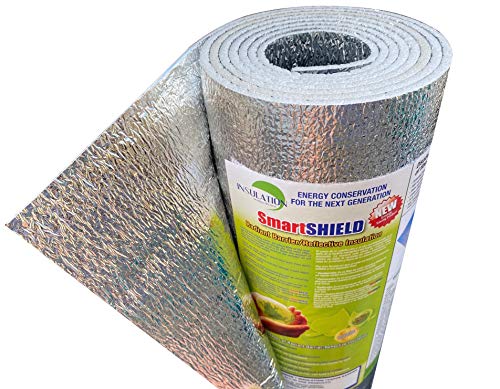
Choosing Between Internal and External Wall Insulation
In a typical UK terraced home, insulating walls is usually beneficial for reducing heat loss and improving comfort. However, the shared party walls and the under passage wall often do not require insulation. These walls are typically sheltered and benefit from the adjacent home’s insulation, so adding insulation there has limited effect.
Internal Wall Insulation (IWI) involves fixing insulation materials to the inside of external walls. It is generally less disruptive to the building’s exterior appearance and avoids planning permission issues. IWI suits homes where external changes are restricted or where maintaining the original facade is important.
External Wall Insulation (EWI) means adding insulation to the outside of the walls, then covering it with a protective render or cladding. EWI improves thermal performance more effectively by reducing thermal bridging and protecting the wall fabric from weather. It also avoids reducing internal room space but requires planning permission in conservation areas or on listed buildings.
| Feature | Internal Wall Insulation (IWI) | External Wall Insulation (EWI) |
|---|---|---|
| Thermal performance | Moderate improvement; some heat loss at wall junctions | Higher improvement; continuous insulation layer reduces heat loss |
| Cost | Lower initial cost; typically £40–£70 per square meter | Higher cost; typically £80–£120 per square meter |
| Installation disruption | Takes several days; room furniture must be moved; reduces room size by 4–10 inches | Takes several weeks; scaffolding needed; no loss of internal space |
| Aesthetic impact | Interior walls altered; may require redecorating | Changes exterior appearance; can improve look with new finishes |
| Planning permission | Usually not required unless listed or in conservation area | Often required in conservation areas or for listed buildings |
| Moisture risks | Can increase risk of interstitial condensation if not installed correctly | Protects wall fabric from rain and moisture |
| Typical suitability | Homes with protected exterior or conservation restrictions | Homes with external access and no strict planning restrictions |
Cost is a major factor. IWI has lower upfront costs but reduces room size and may require redecoration. EWI costs more and takes longer but preserves internal space and can add weather protection. Both methods improve energy efficiency and reduce heating bills.
IWI can cause condensation problems if the insulation is not correctly fitted with a proper vapour control layer. EWI reduces this risk by keeping the wall warmer and drier. Moisture management is critical to avoid damp issues in solid wall homes.
Planning permission depends on local rules. EWI often triggers permission requirements, especially in conservation areas or where the external appearance matters. IWI rarely requires permission but changes interior surfaces.
In terraced houses, insulating the under passage wall is generally unnecessary since it is sheltered and shared with the neighbour. Focus insulation on external-facing walls for best results.
Choosing between IWI and EWI depends on budget, disruption tolerance, planning constraints, and whether preserving internal space or external appearance is more important. For more on insulating terraced houses, see insulating thin walls in UK terraced houses.
Steps for Insulating Your Solid Wall Home
Start by assessing your property to determine the best insulation approach. For a stone wall terrace cottage, internal wall insulation (IWI) usually works well because external modifications can be restricted by planning rules. Check wall thickness, surface condition, and existing moisture issues before choosing materials.
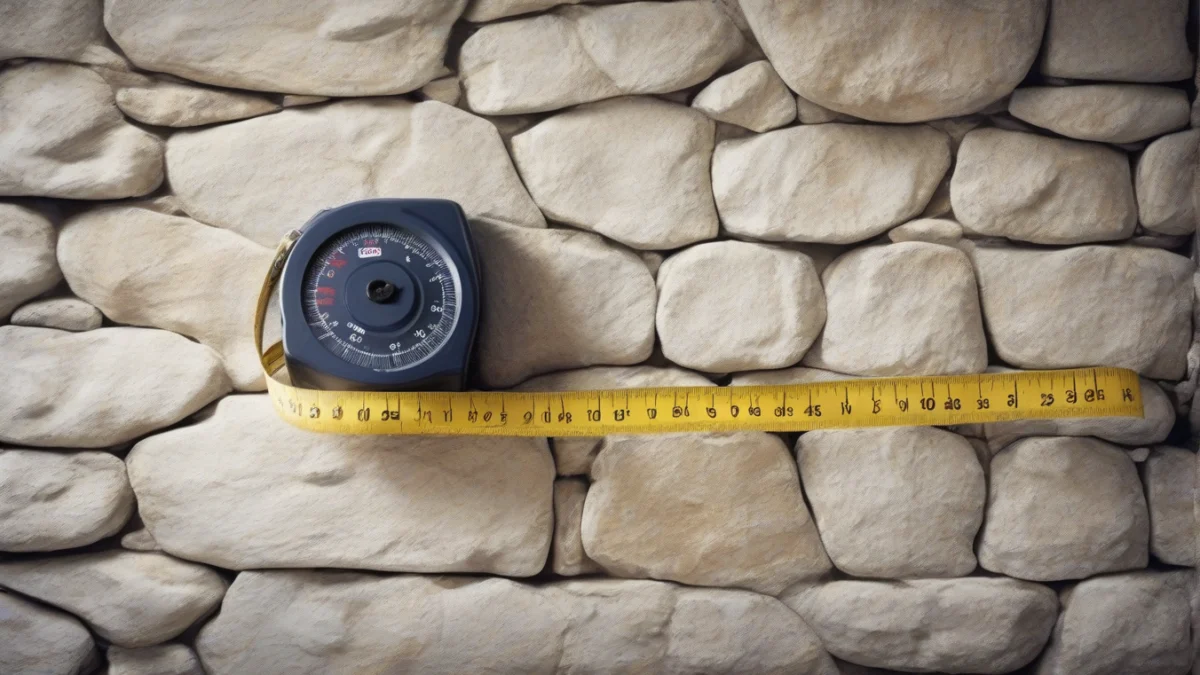
Locate any duct or vent holes in brick walls early. These need careful sealing and insulation around them to avoid drafts and heat loss. Use expanding foam or flexible insulation strips designed for irregular gaps to maintain airtightness without blocking airflow.
- Assess Your Walls and NeedsMeasure wall dimensions and note construction type. Inspect for damp or mold. Decide on internal or external insulation based on access, permissions, and performance goals.
- Choose Materials and ToolsGather insulation boards or batts, adhesive, mechanical fixings, vapor barriers, and sealing tapes. Have a drill, saw, spirit level, measuring tape, and safety gear ready.
- Prepare the SurfaceClean walls thoroughly. Remove loose plaster or flaking paint. Repair cracks and fill holes. Allow walls to dry completely to prevent trapping moisture.
- Install InsulationFor internal insulation, fix insulation boards to the wall using adhesive and mechanical fixings. Leave a small gap around duct vents and seal edges with tape. For external insulation, attach insulation boards to the outside wall and cover with render or cladding according to manufacturer instructions.
- Add Vapor Barrier and FinishInstall a vapor barrier on the warm side of the insulation to prevent moisture ingress. Finish with plasterboard or render. Seal all joints and edges carefully to maintain airtightness.
Identifying and Addressing Damp Issues
Damp is a common problem in solid wall homes and must be tackled before adding insulation. Signs include musty smells, mould patches, peeling paint, and damp stains on walls or ceilings. Condensation often appears on windows and cooler surfaces, especially in poorly ventilated rooms.
Mobile homes and conservatories need special attention. Mobile homes often have thin walls prone to condensation, so use insulation materials that resist moisture and allow drying. For conservatory walls, which can be colder and less insulated, ensure any added insulation does not block ventilation and choose breathable materials to prevent condensation.
Addressing existing damp involves several steps. Start by identifying the source: rising damp from the ground, penetrating damp from leaks, or condensation from poor airflow. Fix leaks in gutters, roofs, and walls promptly. Improve ventilation with extractor fans or vents in kitchens and bathrooms. Consider damp-proof courses or membranes for rising damp.
- Inspect for Damp SourcesCheck for leaks, cracks, blocked gutters, and signs of water ingress around windows and doors.
- Improve VentilationInstall or repair extractor fans and open windows regularly to reduce indoor humidity.
- Repair Structural IssuesSeal cracks and fix roof or gutter leaks to prevent water penetration.
- Apply Damp-Proofing TreatmentsUse damp-proof membranes or courses where rising damp is confirmed, following professional advice.
Using breathable insulation materials is critical in solid wall homes. Materials like mineral wool, wood fibre boards, and lime-based plasters allow moisture to pass through, preventing condensation buildup inside walls. Non-breathable materials such as polystyrene can trap moisture, causing damp and structural damage over time.
Ensure any internal or external insulation system includes a vapour control layer positioned correctly to balance moisture movement. This prevents moisture from getting trapped between the insulation and the wall.
If damp issues are severe or unclear, consult a damp specialist or surveyor before proceeding with insulation. Ignoring damp risks costly repairs and reduces the insulation’s effectiveness.
For more on insulating mobile homes and conservatories, see insulating a mobile home for winter and insulating conservatory walls.
Frequently Asked Questions
What insulation should I use in my conservatory walls?
How do I insulate heating pipes in solid walls?
Is internal wall insulation a good choice for historic homes?
Can I insulate around exterior outlets?
What are the benefits of external wall insulation?
How can I prevent damp after insulating my walls?
If that sounds like your room, read up on maximizing energy efficiency next.
There is more on floor insulation solutions in a guide of its own.
