
Winter mornings can be uncomfortable when the chill seeps into your home. Insulation is key to keeping your space warm and reducing heating costs.
This roundup highlights practical insulation hacks to help you stay cozy throughout the cold months.
Insulation Product Comparison
| Product | Best for | Type | Size | Application | Durability | Price |
|---|---|---|---|---|---|---|
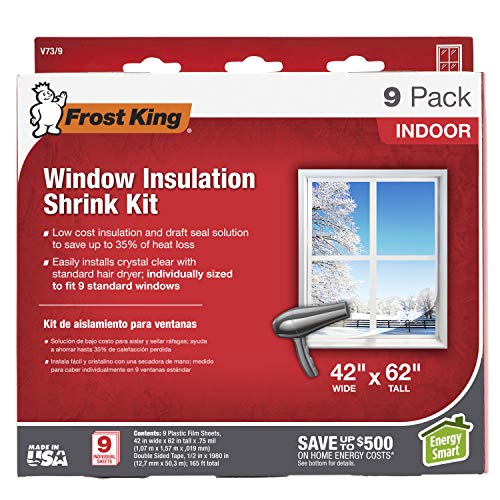
| Frost King Indoor Shrink Window Kit Clear 9-Pack | Best Overall | Shrink film kit | 42 x 62 inches per sheet | Window draft sealing | Durable with yearly replacement | Check price |
| Loctite Tite Foam Spray Sealant 12 oz White | Best for Gaps | Spray foam | 12 oz can | Filling gaps up to 1 inch | UV-resistant, long-lasting | Check price |
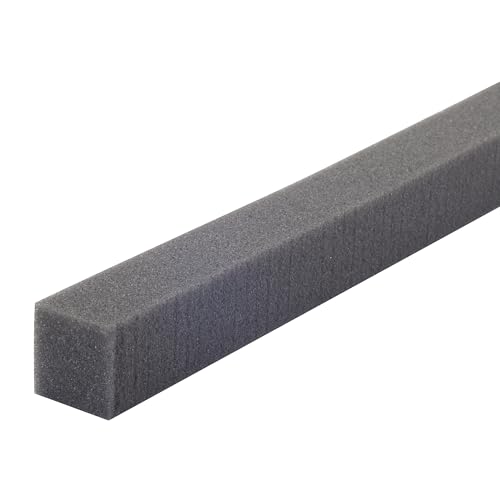
| M-D Building Air Conditioner Weatherseal Foam Strip | Best for AC Units | Foam strip | 42 x 1-1/4 inches | Sealing window AC unit gaps | Durable gray foam | Check price |
| Bantie EVA Foam Weather Stripping Tape 33 ft | Best Flexible Tape | Foam tape | 33 feet length | Door and window gap sealing | Strong adhesive, flexible foam | Check price |
| Flex Seal Draft and Insulation Tape Clear 2 in x 16 ft | Best Clear Tape | Rubberized tape | 2 in x 16 ft | Wide gap sealing on doors, windows | Weather and moisture resistant | Check price |



Best Insulation Products for Warmer Mornings
Frost King Indoor Shrink Window Kit Clear 9-Pack
- Pack size9 sheets
- Sheet size42 x 62 inches
- ColorClear
- Made inChina
- Easy to use and install
- Durable plastic film
- Good value for multiple windows
- Tape can fail with sun exposure and must be replaced yearly
- Needs removal for window opening
Loctite Tite Foam Spray Sealant 12 oz White
- Size12 oz
- ColorWhite
- Gap fillUp to 1 inch
- Expands to fill gaps up to 1 inch
- Strong adhesion to many surfaces
- UV-resistant and flexible
- Can be messy to apply
- Requires careful handling and ventilation
M-D Building Air Conditioner Weatherseal Foam Strip
- Length42 inches
- Width1-1/4 inches
- Gap sealUp to 1-1/4 inches
- ColorGray
- Measures 42 x 1-1/4 inches
- Seals gaps up to 1-1/4 inches
- Durable gray foam
- Reduces drafts and noise
- Limited to window AC unit gaps
- Not suitable for large or irregular gaps
Bantie EVA Foam Weather Stripping Tape 33 ft
- Length33 feet
- MaterialEVA foam
- Self-adhesiveYes
- 33 feet length for versatile use
- Strong mesh adhesive
- High-density EVA foam
- Multi-purpose sealing and insulation
- Adhesive may peel on some surfaces
- Not as thick as spray foam for large gaps
Flex Seal Draft and Insulation Tape Clear 2 in x 16 ft
- Width2 inches
- Length16 feet
- ColorClear
- 2 inch width for wide gaps
- Strong adhesion withstands weather
- Flexible rubberized edges
- Clear for discreet sealing
- Shorter length than some tapes
- Not suitable for irregular or very large gaps
How to Choose the Right Insulation Products
Fixing morning insulation problems starts with choosing the right products for each area of your home. Windows, doors, and gaps need different materials to stop cold air from seeping in and warm air from escaping.
For windows, consider shrink window kits like the Frost King V73/9H Indoor Shrink Window Kit. They create a clear plastic barrier that reduces drafts effectively. For doors, weatherstripping such as foam or rubber seals works best to block gaps around the edges.
Spray foam sealants like Loctite Tite Foam Gaps & Cracks fill irregular gaps and cracks in walls or around window frames. Choose a product that fits the size of the gap: thin strips for narrow cracks, expanding foam for larger voids.
| Product Type | Best For | Durability | Installation |
|---|---|---|---|
| Shrink Window Kit | Window insulation | Moderate | Easy, peel and stick with heat shrink |
| Weatherstripping | Door and window edges | High | Easy, adhesive backed |
| Spray Foam Sealant | Gaps and cracks | High | Requires careful application |
Durability matters because insulation that breaks down or falls off lets cold air return. Look for products rated for indoor use with adhesive strong enough to last through winter weather.
- Measure the AreaCheck the size of windows, doors, and gaps you want to insulate to pick the right product size and quantity.
- Select the ProductMatch the product to the area: shrink kits for windows, weatherstripping for doors, spray foam for gaps.
- Prepare the SurfaceClean and dry surfaces before applying to ensure strong adhesion and long-lasting results.
- Install CarefullyFollow instructions closely, especially for spray foam to avoid over-expansion or mess.
An oil warmer with magnetic base is unrelated to insulation but can provide localized heat in winter mornings. It does not replace proper insulation but can add comfort near your workspace.
Understanding Heat Loss and Insulation Efficiency
Heat escapes a home mainly through gaps, cracks, and unsealed areas around windows, doors, and walls. Cold air enters these openings, forcing your heating system to work harder.
Insulation works by slowing heat transfer. Its effectiveness is measured by the R-value, which rates resistance to heat flow. The higher the R-value, the better the material insulates.
For example, a window shrink kit adds a small insulating barrier that raises the overall R-value of your window assembly. Weatherstripping and foam sealants close leaks, preventing heat loss through air infiltration.
Sealing gaps is the most cost-effective way to improve insulation efficiency. Even gaps as small as 1/8 inch can let in significant cold air. Use foam sealants for cracks, weatherstripping for door edges, and shrink kits for window surfaces.
| Appliance | Watts | Per hour | Per day (8 h) | Per month (30 days) |
|---|---|---|---|---|
| 1,500 W electric heater running | 1,500 W | 26¢ | $2.04 | $61.20 |
Check for draft sources on cold mornings by holding your hand near seals and gaps. A cold spot means heat is escaping. Fixing these leaks boosts comfort and lowers energy bills.
For more ways to improve insulation and heating, see our guide on insulation hacks for older apartment buildings.
Temporary Solutions for Renters and Quick Fixes
Renters need insulation fixes that don’t damage walls or windows and can be removed easily. Bubble wrap is a popular choice. It traps air in its pockets, adding an insulating layer over cold glass. Use scissors to cut bubble wrap to window size and attach it with water or double-sided tape. It’s cheap, clear, and quick to apply.
Draft snakes block cold air at the bottom of doors and windows. You can buy fabric tubes filled with sand or rice, or make your own by rolling up towels or old clothes. They stop drafts without permanent installation or tools.
Everyday items can serve as insulation hacks. Heavy blankets or quilts hung over windows at night block heat loss. Cardboard cut to window size and taped in place also works for short-term use. Even placing rugs or mats on cold floors adds a layer of warmth and cuts floor drafts.
- Apply Bubble Wrap to WindowsCut bubble wrap to the window pane size. Spray a fine mist of water on the glass, then press bubble wrap onto it. The water acts as a temporary adhesive and won’t leave residue.
- Use a Draft SnakePlace a draft snake or rolled towel along the base of doors or windows where you feel cold air coming in.
- Hang Heavy Curtains or BlanketsAt night, hang heavy curtains or blankets over windows to add insulation. Remove them during the day to let sunlight in.
Long-Term Insulation Upgrades for Homeowners
Homeowners can invest in insulation upgrades that pay off year after year. Quality insulation reduces heat loss, lowers energy bills, and improves comfort. Attics and basements are common weak spots where heat escapes, so focus there first.
Fiberglass batts and spray foam are two popular insulation types. Fiberglass is affordable and DIY-friendly but less effective in irregular spaces. Spray foam seals gaps and cracks, creating an air barrier and higher R-values, but requires professional installation.
| Insulation Type | R-Value per Inch | Best Use |
|---|---|---|
| Fiberglass Batts | 3.1 to 3.7 | Attics, walls, basements |
| Spray Foam | 6 to 7 | Sealing gaps, irregular spaces |
| Rigid Foam Board | 4 to 6.5 | Basements, exterior walls |
| Cellulose | 3.2 to 3.8 | Attics, wall cavities |
Professional installation ensures correct coverage and seals air leaks that reduce insulation effectiveness. Costs vary by material and home size, but the energy savings often offset upfront expenses within a few years. Check local incentives for insulation upgrades that can lower costs.
Frequently Asked Questions
What is the best way to insulate windows for winter?
How do I seal gaps around doors and windows effectively?
What are the most cost-effective insulation hacks?
Can I use bubble wrap as a temporary insulation solution?
What is R-value and why is it important for insulation?
How can I prevent heat loss in my home during winter?
Before you buy anything, it is worth looking at preventing cold air leaks.
We go through keeping rented spaces warm step by step in a separate article.
