
Heating a large open space can be challenging due to its volume and potential heat loss. Understanding how to manage air circulation and heat distribution is key to maintaining comfort.
How to Heat a Large Open Space Efficiently
Heating a large open-plan space efficiently requires sealing drafts, optimizing your main heating system, adding targeted supplemental heaters, and using insulation and window treatments. This approach reduces heat loss and focuses warmth where you need it, cutting energy waste.
Large rooms with high ceilings lose heat quickly because warm air rises and escapes through gaps. Drafts around windows and doors can waste 10% to 30% of your heating energy. Sealing these leaks is the first step.
- Identify draftsCheck for cold air near windows, doors, and electrical outlets using your hand or a smoke stick. Focus on common gaps around frames and where different building materials meet.
- Seal leaksUse weatherstripping for doors, caulk for window gaps, and foam gaskets behind outlet covers. These inexpensive fixes can lower heating costs and improve comfort.
- Optimize your primary heaterEnsure your furnace or heat pump is sized for the space and maintained yearly. Clean filters and vents improve airflow and efficiency.
- Add supplemental heatingUse electric space heaters with thermostats for areas where your main system underperforms. Ceramic or oil-filled radiators provide steady heat without spikes in electricity use.
- Insulate and treat windowsAdd insulation to walls and ceilings if accessible. Use thermal curtains or window film to reduce heat loss through glass, especially in rooms with large windows.
| Appliance | Watts | Per hour | Per day (8 h) | Per month (30 days) |
|---|---|---|---|---|
| 1,500 W space heater | 1,500 W | 26¢ | $2.04 | $61.20 |
| Heated blanket | 100 W | 1.7¢ | 14¢ | $4.08 |
Heating a house with very high ceilings and large rooms is most cost-effective when you focus on stopping heat loss and using supplemental heaters to warm people and furniture directly. Large volumes of air take more energy to heat evenly. Keep the thermostat moderate and use radiant or convection heaters near seating areas.
This layered strategy — sealing drafts, maintaining your main heating system, supplementing with electric heaters, and improving insulation — is the best way to heat large open-plan spaces efficiently. Target heat where it’s needed, and keep warm air inside longer to save on energy bills.
For more details on sealing drafts and insulation, see how to heat a large open-plan living space efficiently and insulating a living room with large windows.
Identifying and Sealing Drafts
Large windows in a big room let in cold air and lose heat quickly. To keep heat inside, use insulated curtains or cellular shades designed to trap air. Applying window film adds a thin barrier that reduces heat loss without blocking the view. These treatments cut drafts and lower heating costs.
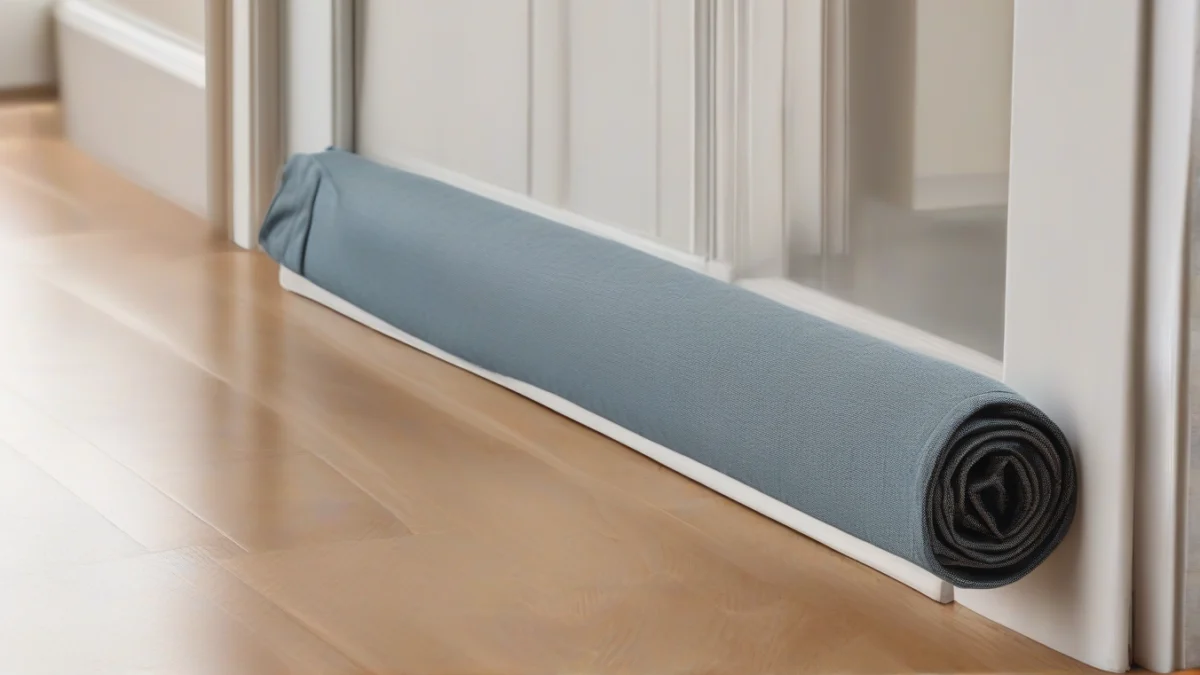
Start your draft audit at windows and doors. Check for cold air slipping through gaps by moving your hand along the edges on a windy day or using a lit incense stick to watch smoke drift. Also inspect electrical outlets on exterior walls; these often have gaps behind them.
- Inspect Windows and DoorsLook for visible cracks, worn weatherstripping, and gaps under doors. Feel for drafts with your hand or use a smoke test.
- Check Electrical Outlets and SwitchesRemove cover plates and seal gaps with foam gaskets designed for this purpose.
- Seal Gaps with Weatherstripping and CaulkApply weatherstripping to operable windows and doors. Use paintable caulk for stationary cracks and around window frames.
- Insulate Attics and WallsAdd insulation where it’s missing or compressed, especially in attics and exterior walls. This stops heat from escaping through the building shell.
Weatherstripping types vary: V-strip or foam tape works well on door edges, while felt strips suit window sashes. Replace worn or brittle strips to maintain a tight seal. For larger gaps under doors, install door sweeps with a flexible seal that brushes the floor.
Insulating attics is critical because heat rises. Use fiberglass batts or blown-in cellulose to fill gaps between rafters. Walls can be insulated from the inside or outside, but do not cover electrical wiring or plumbing improperly.
| Draft Location | Common Fix | Effectiveness |
|---|---|---|
| Windows | Insulated curtains, weatherstripping, window film | High |
| Doors | Weatherstripping, door sweeps | High |
| Electrical outlets | Foam gaskets, sealant | Moderate |
| Attic and walls | Insulation | Very High |
Optimizing Your Primary Heating System
Panel heaters do not effectively warm large living areas. Their radiant heat works best in small or enclosed spaces near the heater. For big open rooms, they lack the power and air circulation to distribute heat evenly.
Vaulted ceilings pose a challenge because warm air rises and collects near the ceiling, leaving the lower living area cooler. Efficient heating here requires a system that can move air or deliver heat at the occupant level.
- Check Your Furnace or Heat Pump SizeA furnace or heat pump that’s too small struggles to heat a large open area. Oversized units cycle on and off too often, wasting energy and wearing parts. Confirm your system’s heating capacity in BTUs matches the square footage, ceiling height, and insulation level of your space.
- Schedule Annual MaintenanceClean or replace filters, inspect ducts, and service the furnace or heat pump yearly. Dirty filters and leaks reduce heat output and efficiency. Well-maintained equipment uses less energy and lasts longer.
- Consider Upgrading to a Ductless Mini-Split SystemMini-splits provide zone heating with an indoor air handler in the main living area. They deliver warm air directly and maintain comfort without heating unused spaces. This reduces waste in large open plans, especially with high ceilings.
- Use Smart Thermostats to Optimize HeatingSmart thermostats learn your schedule and adjust temperatures accordingly. They reduce heating when rooms are empty and ramp up before you return. Remote control and zoning options let you target heat where and when you need it, cutting costs.
Using Supplemental Heating Solutions
The best way to heat a large room is to combine your main system with supplemental heaters that focus warmth where you need it. Electric space heaters deliver targeted heat quickly and flexibly. Radiant floor heating provides even, consistent warmth from the ground up. Vented gas heaters offer a more permanent, powerful solution when ventilation and safety needs are met.
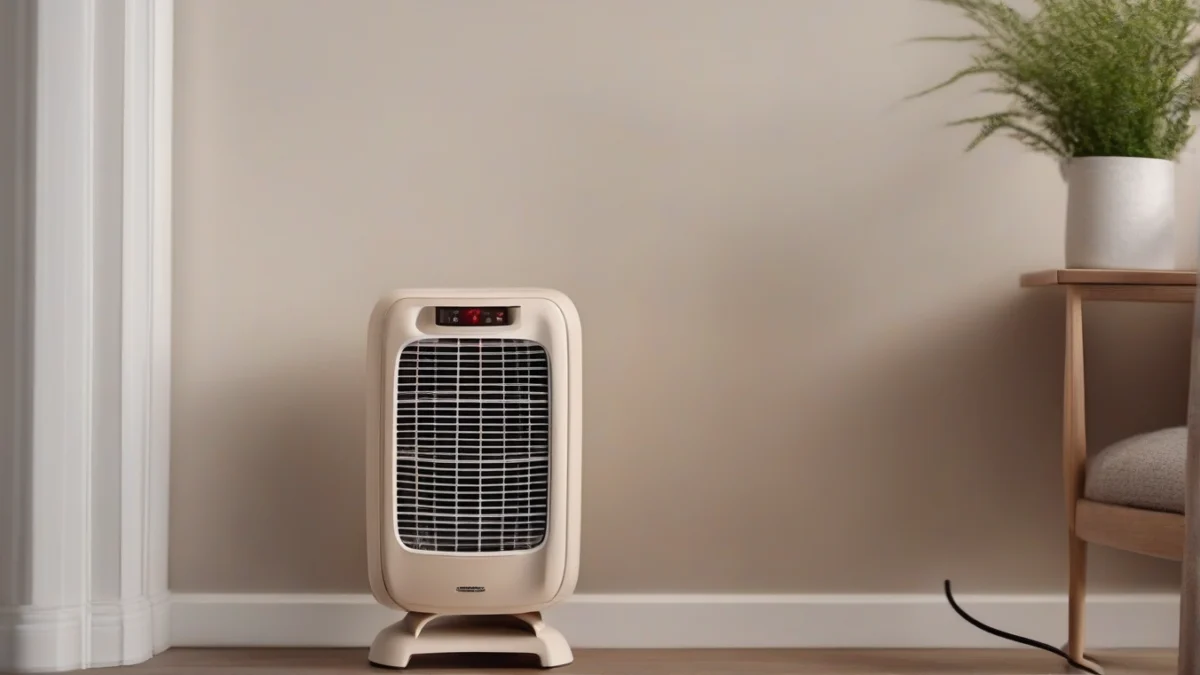
Electric Space Heaters for Targeted Warmth
Electric space heaters are ideal for adding heat to specific areas in a large open-plan space. They plug into standard 120 V outlets and usually run at about 1,500 watts, the maximum safe draw for most household circuits. Use them near seating or work areas to warm people directly without wasting energy heating the entire room.
Look for models with tip-over and overheat protection and a UL, ETL, or CSA safety listing. Keep at least 3 feet of clearance around the heater, and never use an extension cord or power strip. Models with adjustable thermostats and multiple heat settings help control energy use and comfort.
Radiant Floor Heating for Consistent Heat Distribution
Radiant floor heating warms a large area evenly by circulating warm water or electric cables under the floor surface. Heat rises steadily, warming people and objects directly without heating all the air first. This method reduces drafts and cold spots common in large open spaces.
Installation requires professional work and upfront cost but pays off in comfort and energy efficiency over time. It is best for new construction or major remodels since it involves lifting or installing flooring. Radiant floor systems work well with wood, tile, or concrete floors.
Vented Gas Heaters for a Permanent Solution
Vented gas heaters burn natural gas or propane and exhaust combustion gases safely outside through a vent. These heaters can warm large open spaces effectively and run at a lower cost per hour than electric models, depending on local fuel prices.
They require professional installation, proper ventilation, and a working carbon monoxide alarm. Never use unvented or outdoor-only gas heaters indoors, as they pose serious carbon monoxide risks.
- Choose the Right Electric HeaterPick a model with enough wattage (up to 1,500 W), safety features, and adjustable settings for your needs.
- Position Heaters StrategicallyPlace space heaters close to where you spend the most time to maximize direct warmth.
- Consider Radiant Floor HeatingPlan for radiant floors if remodeling or building new to add consistent, energy-efficient heat.
- Install Vented Gas Heaters SafelyHire licensed professionals and ensure proper venting and CO detection for gas heaters.
Incorporating Insulation and Smart Design
Rooms with large windows lose heat quickly through glass, which is a poor insulator. To keep heat in, start by using thermal curtains. These curtains have a thick lining that traps warm air inside and blocks cold drafts at night. Close them as soon as the sun sets to reduce heat loss by up to 25%. Choose curtains that cover windows fully and reach the floor for the best seal.
Insulating a living room with large windows means more than just curtains. Add window insulation film or cellular shades for extra layers that slow heat transfer. These options reduce heat loss without blocking light during the day. If replacing windows is an option, look for double- or triple-pane glass with low-emissivity (low-e) coatings to keep warmth inside.
Furniture placement can affect how warm a large open space feels. Arrange sofas, chairs and rugs to create cozy zones that trap heat. Rugs add insulation to floors, which often lose heat quickly, especially over tile or hardwood. A thick rug can reduce heat loss through the floor by about 10% and make the room feel warmer underfoot.
Use furniture to block cold drafts near windows or doors without obstructing heating vents. Position seating where supplemental heaters can warm occupants directly. Grouping furniture also reduces the volume of air that needs to be heated to make the space feel comfortable.
Color and materials influence perceived warmth. Warm color palettes—like reds, oranges and yellows—reflect light in a way that feels cozy. Choose upholstery and curtains made from natural fibers such as wool or cotton, which hold heat better than synthetics. Avoid shiny surfaces that can make a room feel cooler.
Layer textiles like throw blankets, cushions and wall hangings to add warmth visually and physically. These materials help trap heat close to the body and reduce echo in large spaces, which enhances comfort.
- Install Thermal CurtainsMeasure windows accurately and buy curtains with thermal lining. Close them fully at night and on cold days.
- Add Rugs and Arrange FurniturePlace thick rugs on cold floors and arrange seating to create smaller warm zones.
- Use Window Insulation Film or Cellular ShadesApply film in winter to reduce heat loss or install cellular shades that close tightly over windows.
- Choose Warm Colors and Natural MaterialsSelect upholstery, curtains and accessories in warm tones and natural fibers to enhance comfort.
Frequently Asked Questions
What is the most effective way to heat a large room?
How do I prevent heat loss in a room with high ceilings?
Can I use space heaters to heat a large open area?
What insulation methods work best for large windows?
How do I choose the right heater for my large living space?
What are the benefits of using a ductless mini-split system?
We cover fixing chilly spots in its own guide.
If that sounds like your room, read up on old window frame insulation next.
