
You love the light and flow of your long open-plan living space. It feels modern, social, and spacious. But come winter, that same openness can feel like a chilly, cavernous challenge to heat effectively. You’re not alone. The very design that creates a beautiful sense of volume also creates unique obstacles for thermal comfort.
Warming these areas isn’t just about cranking the thermostat. It’s a strategic game of balancing heat input with heat retention. You need to stop warmth from escaping, distribute it intelligently, and use your system smartly. The goal is consistent, cost-effective warmth without wasting energy or money. For a quick, targeted boost in a specific seating area, a portable ceramic heater like the DREO Space Heater can be a great supplement. Its oscillation and thermostat control make it ideal for taking the edge off a drafty corner while you work on the bigger picture.
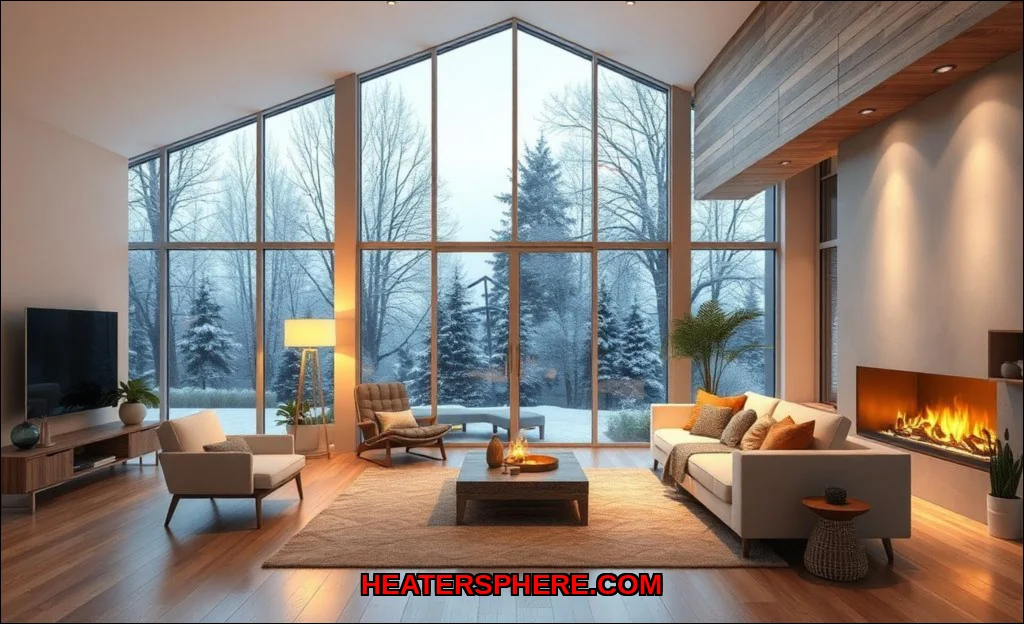
Why Open-Plan Spaces Are Hard to Heat
Think of heat like water. It naturally flows from warm areas to cold ones, seeking equilibrium. Your long living room has several features that accelerate this process. First, there’s sheer volume. A standard radiator is designed for a 12×12 foot room, not a 30-foot-long great room. The heat it produces dissipates quickly.
Large windows and sliding glass doors can cause significant heat loss, especially if they have poor insulation or single glazing. The glass surface area increases heat escape and allows cold air infiltration. Thermal bridging worsens this by letting structural elements conduct heat outside. High ceilings cause warm air to rise, leaving the living area cooler. Using insulated curtains or window treatments and addressing gaps around frames reduces this heat loss effectively. The other half of this decision is heating an open-plan lounge.
Core Strategy 1: Improve Your Space (Insulation & Draft Proofing)
Before you spend a penny on new heating gear, your first move should be defensive. Plug the leaks. This is the most cost-effective long-term investment for energy efficient heating.
Seal the Envelope
Draft proofing is your low-hanging fruit. Walk around on a windy day and feel for cold air. Common culprits are doors, windows, and where walls meet floors. Use weatherstripping for movable parts and silicone sealant for gaps. Don’t forget keyholes, letterboxes, and cat flaps. A simple draught excluder for the bottom of a door can make a noticeable difference, especially for warming cold entryway spaces that chill the whole area.
Upgrade Your Insulation
If your space feels perpetually cold, the walls or roof might be under-insulated. While retrofitting wall insulation is a bigger job, improving loft insulation is often very effective. Consider thermal curtains for large windowsclose them at night to create an insulating layer. For a high-tech diagnosis, you can rent a thermal imaging camera. It visually shows you exactly where the cold is infiltrating, turning guesswork into a targeted plan.
Core Strategy 2: Optimise Your Heating System & Habits
With a tighter space, you can now work on heating it intelligently. This is where system tweaks and behavioral changes deliver serious results.
Master the Art of Zoning
Zone heating is the golden rule for large room heating. The idea is simple: heat the areas you use, when you use them. You don’t need to keep the entire 50-foot space at 70F if you’re only using the sofa area in the evening.
- Physical Zoning: Use furniture, bookshelves, or room dividers to subtly break up the space. This doesn’t fully enclose areas but helps slow air movement, making it easier for heat to accumulate in “pockets.”
- System Zoning: If you have radiators, install thermostatic radiator valves (TRVs) on each one. Set lower temperatures in less-used zones. For the ultimate control, a smart thermostat like those from Nest or Hive can learn your schedule and create heating zones if you have a compatible multi-zone system.
This approach directly answers the question of how to heat a large open plan living room efficiently. It’s about precision, not brute force. It helps to understand comfortable tv room heating before spending anything.
Adopt Efficient Heating Practices
Your daily habits matter. Keep furniture away from radiators to allow heat circulation. Use ceiling fans (yes, in winter!) Set them to run clockwise on a low speed to gently push the warm air pooled at the ceiling back down to you. This simple trick redistributes heat without using more energy.
Also, consider your humidity. Dry air feels colder. Using a humidifier can make the space feel warmer at a lower thermostat setting, saving you money. It’s a nuance many guides miss.
Product Deep Dive: Heating Solutions for Large, Open Areas
Sometimes, your existing central system needs help. Here are the most effective products for tackling the scale of an open-plan area.
Radiant Heating Systems
For consistent, comfortable warmth, it’s hard to beat radiant heat. Unlike forced air that heats the air (which then rises), radiant systems warm objects and people directly.
- Underfloor Heating: This is a top-tier solution. It provides even heat across the entire floor, eliminating cold spots and working wonderfully with hard surfaces common in open-plan designs. The warmth rises gently, combating stratification. It’s a dream for thermal comfort.
- Radiant Panels: Mounted on walls or ceilings, these panels emit infrared warmth. They’re excellent for supplementing heat in specific zones, like over a dining table, and they don’t circulate dust or allergens.
Forced Air & Supplementary Solutions
Ducted systems or powerful fan heaters can work but must be chosen carefully for air distribution. A heat pump (air-source or ductless mini-split) is incredibly efficient for open plan heating. It acts as both heater and air conditioner, and the wall-mounted indoor units allow for excellent zoning control.
For portable, immediate warmth, look for high-wattage ceramic heaters with wide oscillation and thermostat controls. In the product realm of heated furniture, a high-quality heated throw on your sofa provides direct, luxurious warmth at a fraction of the cost of heating the entire room. It’s a personal zone of coziness. The other half of this decision is winterizing open areas.
Choosing the right heater type is critical, especially in a shared environment. For more on selecting a unit that balances performance with safety and noise levels, our guide on the best heater type for shared living spaces breaks down the options.
The Smart Control Advantage
Are smart thermostats good for open plan homes? Absolutely. Their true value lies in adaptability and learning. They can adjust the heating schedule based on when you’re actually home, use geofencing to warm the space just before you arrive, and provide detailed energy usage reports. This data is invaluable for understanding the real cost to heat a long living room in winter and finding savings. For broader system principles, the U.S. Department of Energy’s guide to home heating systems is an excellent resource.
Putting It All Together: A Practical Action Plan
Feeling overwhelmed? Don’t be. Tackle this project step-by-step, starting with the most cost-effective measures.
- Conduct a Draft Audit: This weekend, feel for drafts. Seal them with weatherstripping and sealant. Install door sweeps or draught excluders.
- Optimize What You Have: Move furniture blocking heat sources. Set your ceiling fan to winter mode. Program your current thermostat for lower temperatures when you’re asleep or out.
- Implement Zoning: Fit TRVs on radiators. Use a smart plug with a portable heater to create a timed warm zone for your home office corner during the day.
- Consider Long-Term Upgrades: Based on your budget, prioritize loft insulation, then look into system upgrades like a smart thermostat, a mini-split heat pump for the main zone, or the holy grailunderfloor heating.
- Use Smart Supplements: Employ a heated throw for the sofa and a powerful, safe space heater for quick spot heating in the areas you use most.
Remember, the best heating solutions for a drafty open plan space are always layered. There’s no single magic bullet. It’s the combination of sealing leaks, distributing heat wisely, and using the right technology that transforms a beautiful but chilly room into a consistently warm and inviting home. You’ve got this.
