
Patio doors can be a beautiful addition to your home, but they often let in cold drafts during winter. This can lead to discomfort and increased heating costs, making it essential to address these drafts effectively.
5 Ways to Stop Cold Drafts from Your Patio Door
Cold drafts from patio doors waste heating energy and leave rooms uncomfortably cold. Replace worn weatherstripping, seal gaps in the track and frame, use draft stoppers at the threshold, apply window insulation film to the glass, and hang thermal curtains.
Each fix targets a specific leak point. Weatherstripping fails along door edges. Gaps open in the frame and sliding track where materials shrink or shift. The threshold underneath lets cold air sweep across the floor. Glass conducts heat out even when the seals hold. Layering these solutions stops drafts more effectively than any single method, the same principle that works for stopping drafts under interior doors.
- Replace Worn WeatherstrippingRun your hand along the door edges while it’s closed to feel for air movement. Weatherstripping that looks cracked, flattened, or peeling no longer seals. Remove the old strip and clean the channel with rubbing alcohol. Install replacement weatherstripping designed for sliding or hinged patio doors—foam tape for hinged doors, pile or fin seal for sliders. Press firmly along the entire length and test the door’s movement before trimming excess.
- Seal Gaps in the Track and FrameInspect the door frame, especially corners and where the track meets the floor. Visible gaps or cracks let cold air pour in even when weatherstripping is intact. Clean loose debris from the gap, then apply clear silicone caulk for cracks narrower than a quarter inch or low-expansion spray foam for wider openings. Avoid sealing weep holes—small drain openings at the bottom of the frame that prevent water damage.
- Use a Draft Stopper at the ThresholdPosition a draft stopper—a foam tube, weighted fabric snake, or under-door sweep—against the bottom edge to block cold air creeping underneath. Measure the door width and choose a stopper that spans the full opening without compressing too tightly. Magnetic or adhesive models stay in place when the door opens and closes. Remove fabric stoppers before sliding the door to prevent snagging.
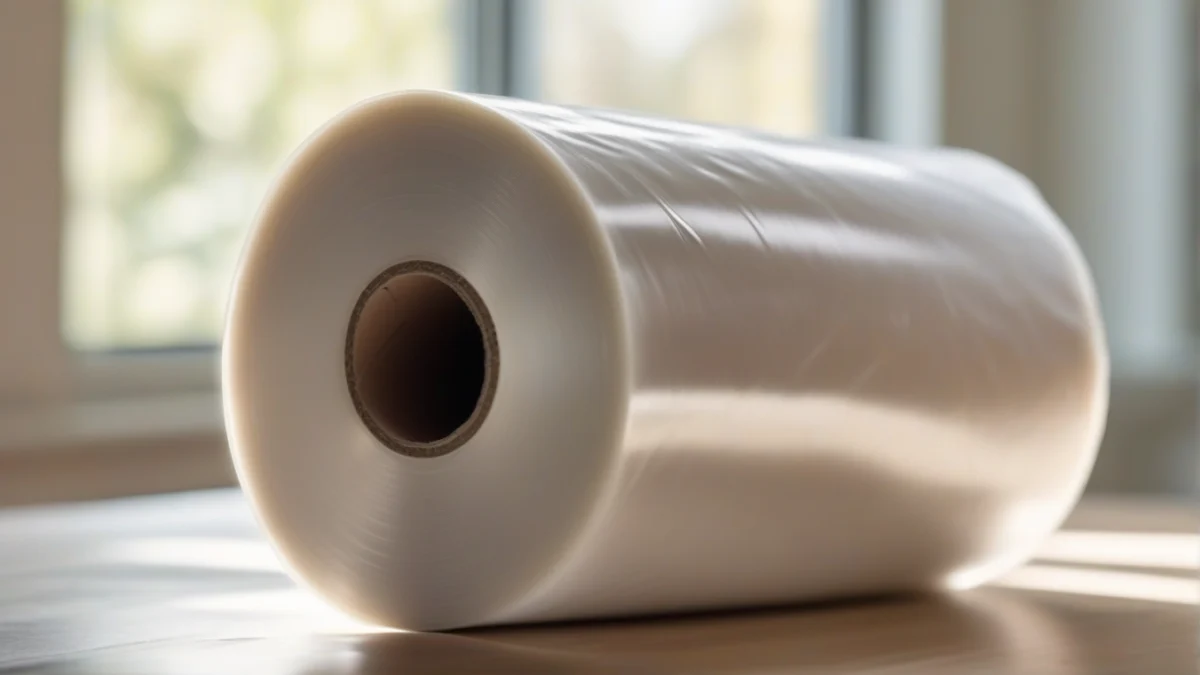
- Apply Window Insulation FilmCut clear window insulation film to cover the entire glass panel plus two inches on each side. Attach double-sided tape around the door frame, press the film into place, and smooth out wrinkles with your hands. Use a hairdryer on low heat, moving in slow passes six inches from the surface, to shrink the film tight. The film adds an insulating air gap that reduces heat loss through the glass, which accounts for most of the energy loss even when seals are intact.
- Hang Thermal Curtains or Insulated ShadesInstall curtains with a thermal backing or cellular shades designed to trap air. Mount the rod or brackets close to the ceiling and extend it several inches beyond the door frame on each side. Curtains should reach the floor and overlap in the center to block drafts at the edges. Close them at night and during extreme cold to create a buffer zone between the glass and the room. Choose a tight weave or multiple layers for the best insulation.
Understanding the Causes of Drafts
Cold drafts from patio doors come from specific weak points where air leaks in. Preventing drafts starts with knowing these spots and how they let cold air through, especially in older sliding patio doors.
One common cause is worn or missing weatherstripping around the door frame. This material seals the gap between the door and the frame. When it deteriorates, air flows freely through the cracks.
Sliding patio doors often develop alignment problems over time. If the door doesn’t close tightly against the frame, it leaves gaps that let drafts in. Check if the door sticks, drags, or rattles in its track, which signals misalignment.
Single-pane glass patio doors are another major source of cold drafts. Unlike double-pane or insulated glass, single-pane glass has poor thermal resistance. It easily lets heat escape and cold enter, making the room feel drafty.
Air leakage can also happen around the edges of the glass panel if the glazing putty or seals degrade. This lets cold air slip through the frame and lowers the door’s overall energy efficiency.
Older sliding doors frequently lack modern weatherproofing features. They often have bigger gaps in the tracks and less effective seals, increasing the risk of drafts. Regular inspection and maintenance of these parts help keep cold air out.
Fixing alignment issues involves adjusting the rollers or tracks so the door fits snugly. Replacing worn weatherstripping and seals restores the airtight barrier. For glass, consider insulating films or upgrading to double-pane units to reduce thermal loss.
Understanding these causes helps you target the right fixes to stop drafts effectively. For more on sealing and insulating patio doors, see how to stop cold drafts from your patio door.
Immediate Fixes: Sealing and Insulating
The fastest way to stop cold drafts from your patio door is to seal and insulate the weak points where air leaks. Covering the door with an exterior-rated insulation film blocks heat loss and cold air entry without major work. For outside protection, rigid foam panels cut to size and secured over the door frame provide a strong shield against wind and cold.
Inside, the best way to block heat from coming in is to focus on weatherstripping, draft blockers, and sealing gaps in the door and its track. These fixes reduce air movement immediately and cost little.
- Inspect and Replace WeatherstrippingCheck the weatherstripping around your patio door for cracks, gaps, or missing sections. Old or compressed strips no longer seal properly. Remove damaged weatherstripping and replace it with new foam, rubber, or vinyl strips sized to your door. Press-on or adhesive-backed types are easiest for DIY. Good weatherstripping seals the perimeter tightly and can cut drafts substantially.
- Use Draft Blockers at the BottomPlace a draft stopper or door sweep along the bottom edge of the patio door. Foam or fabric draft blockers slide under the door and block cold air that seeps in below. For a more permanent fix, install a door sweep with a rubber or silicone seal that brushes the floor. This stops drafts while allowing the door to open and close smoothly.
- Seal the Track and GapsPatio doors often leak air through the sliding track and small gaps between frame and wall. Use a silicone-based caulk or weatherproof sealant to fill visible cracks and gaps along the frame edge. For the sliding track, clean it thoroughly and apply a thin bead of weatherstripping tape or foam gasket inside the track channel to reduce air flow without blocking movement.
- Quick and affordable fixes that anyone can do.
- No special tools or skills required.
- Immediate reduction in cold drafts and heat loss.
- Temporary solutions that may need reapplication or replacement.
- Won’t solve problems from poor door insulation or damage.
- Exterior rigid panels may affect door use or appearance.
Long-Term Solutions: Insulation Upgrades
Quick fixes seal air leaks, but permanent insulation upgrades reduce heat loss through the glass itself and stop cold drafts more effectively over the long term.
Window Insulation Film
Clear plastic insulation film creates a sealed air pocket between the film and the glass. That trapped air reduces heat transfer through the door’s large glass area, which accounts for most of the heat loss even when the seals are tight.
Most kits include double-sided tape and shrink film. Apply the tape to the door frame around the glass, press the film onto the tape, then use a hair dryer on low heat to shrink the film taut and remove wrinkles. The film stays clear once shrunk.
Interior Storm Panels
An interior storm panel is a rigid sheet of acrylic or polycarbonate that fits inside the door frame and adds a second barrier. Panels are thicker than film—usually 1/8 to 1/4 inch—and block more heat loss, but they also block door access unless you remove them.
Storm panels must be cut to fit your door’s exact dimensions with no gaps at the edges. Most are held in place with magnetic strips or compression channels. They work best for patio doors you close off completely in winter, not doors you use daily.
Thermal Curtains
Thermal curtains have a foam, acrylic, or fleece backing that reduces heat transfer when the curtains are closed. Pulling thermal curtains over a patio door at night traps warm air inside and blocks cold air radiating from the glass.
Mount the curtain rod four to six inches wider than the door frame so the curtains overlap the edges when closed. The overlap seals the sides and prevents air from circulating behind the curtain. Curtains should reach the floor or sit on a windowsill to block airflow at the bottom.
Combining Methods
Insulation film, storm panels, and thermal curtains each target a different part of the problem. Film and panels reduce heat loss through the glass. Thermal curtains block radiant cold and air circulation around the door. Using film and curtains together cuts heat loss more than either method alone.
For sliding patio doors, these upgrades don’t seal the track where the door slides. Weatherstripping and draft stoppers under the door still matter, even with insulation in place. If you’re dealing with drafts from other doors in the house, the same principles apply—seal the gaps first, then insulate to reduce heat transfer.
When to Replace Your Patio Door
Drafts around patio doors often signal worn seals, but sometimes replacement is the only way to stop cold air effectively. Repairing weatherstripping and adding draft stoppers can only do so much if the door’s core structure or glass fails.
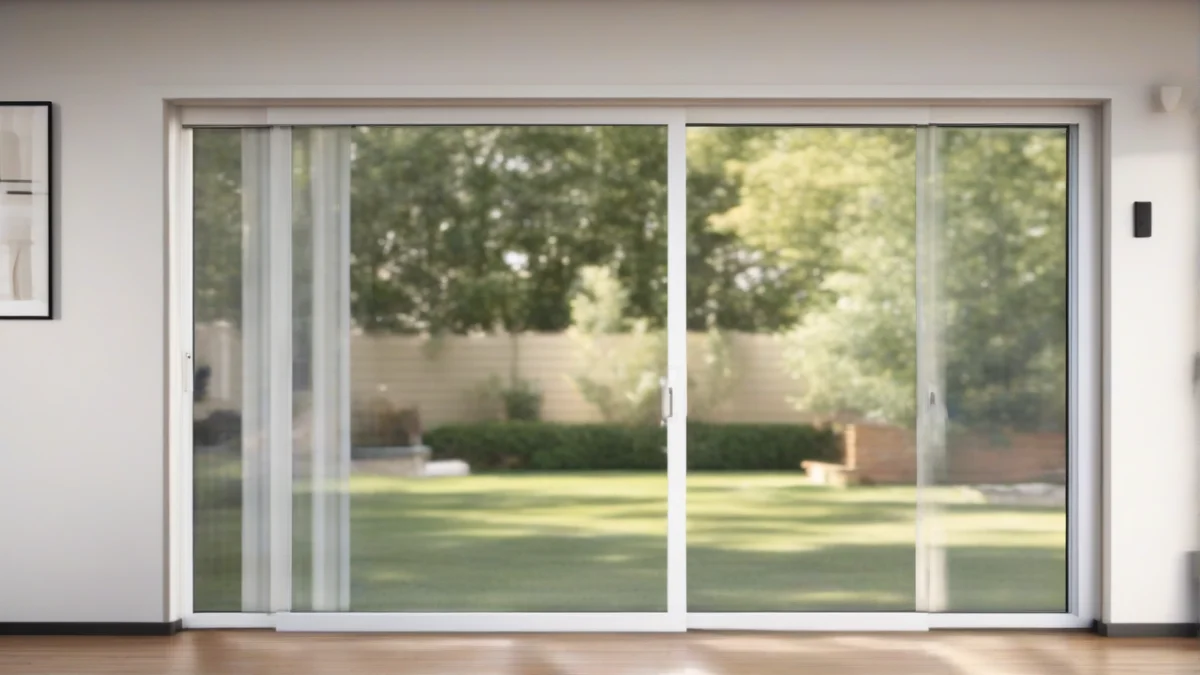
Start by checking for structural issues that let air leak around the door frame. Look for warped or rotted wood, damaged metal frames, or cracks in the door panel. These problems create gaps that no amount of sealing can fully close.
Insulated glass units (IGUs) are another common failure point. Signs include fog or condensation trapped between the panes and visible damage to the spacer or sealant. When an IGU fails, it loses its thermal barrier, causing cold drafts and higher heat loss.
At this stage, replacing the patio door is more cost-effective than ongoing repairs. Modern doors come with energy-efficient features that prevent drafts better than older models. Look for double or triple-pane glass with low-emissivity (Low-E) coatings and insulated frames made of vinyl, fiberglass, or thermally broken aluminum.
Energy-efficient doors reduce heat transfer and block drafts by tightly sealing the frame and door panels. They often include multi-point locking systems that compress seals evenly, ensuring no air leaks. This technology is hard to retrofit into old doors.
Replacement also lets you upgrade to doors with better durability and weather resistance. New models resist warping, corrosion, and seal failure for longer, reducing the chance of drafts returning.
Consult a professional to assess your door’s condition if you notice persistent drafts despite repairs. A licensed installer can check structural integrity and glass condition, then recommend energy-efficient options suited to your climate and home style.
Frequently Asked Questions
How can I effectively seal my patio door?
What materials do I need to insulate my patio door?
Are thermal curtains effective in preventing drafts?
How often should I replace weatherstripping?
What are the signs that my patio door needs replacing?
Can I use a space heater near my patio door for extra warmth?
We cover insulating sliding doors in its own guide.
There is more on protecting your walls while insulating in a guide of its own.
