
Wooden floors can be beautiful but often lead to cold drafts in winter. This chill can make your home uncomfortable, especially if there are gaps or poor insulation.
How to Keep Heat in Rooms with Wooden Floors
Keep heat in rooms with wooden floors by sealing gaps and adding insulating layers like rugs and thermal underlays. The best solution for cold wooden floors is to combine draft sealing, insulation below the floor, and surface coverings that trap warmth.
Wooden floors lose heat mainly through thermal bridging, where the wood and gaps conduct cold from below into the room. This effect can be strong because wood is a better conductor than carpet or insulation, and air gaps let cold drafts pass up.
Start by sealing cracks and gaps between floorboards with a flexible sealant or wood filler. This stops cold air from rising through the floor. Check edges where the floor meets walls or skirting boards, as these often have gaps.
- Seal Floorboard GapsUse a caulk gun with acrylic or silicone sealant to fill visible cracks. For wider gaps, wood filler or rope caulk works better. Allow drying and reapply if needed.
- Check Perimeter SealsInspect where floor meets walls and baseboards. Use foam backer rod and sealant to fill spaces. This reduces drafts that come up around edges.
- Add Rugs or CarpetsPlace thick rugs or carpets on wooden floors to create a thermal barrier. The fibers trap warm air and reduce heat loss by conduction and convection.
- Use Thermal UnderlaysInstall a foam or felt underlay beneath rugs or carpets. These underlays add insulation and block cold from below more effectively than rugs alone.
- Install Floor InsulationIf possible, add rigid foam board or mineral wool insulation beneath the floorboards from below. This step requires access to the subfloor or crawlspace.
What can you put on a wooden floor to keep out cold from below? Thick rugs with thermal underlays work well for most rooms. They are easy to install and improve comfort immediately.
For the best prevention of heat loss from floors, combine sealing cracks, insulating underneath, and covering floors with rugs or carpets. This multi-layer approach tackles both air leaks and conductive heat loss.
Installing insulation beneath wooden floors can be done by lifting floorboards where possible or accessing the crawlspace below. Rigid foam boards provide high R-value per inch, while mineral wool offers soundproofing and fire resistance. Ensure insulation fits snugly without compressing.
Adding rugs or thermal underlays is the simplest way to keep wooden floors warm without major work. Thermal underlays are usually 3 to 6 millimeters thick and made of foam or felt. They slow heat transfer and feel warmer underfoot.
Sealing gaps and cracks prevents cold drafts that undermine any insulation or surface covering. This step is crucial for effective heat retention.
For a room with wooden floors, start with sealing drafts and adding rugs with thermal underlays. If cold persists, consider installing insulation beneath the floorboards. These steps together reduce heat loss and make floors feel warmer to walk on.
For more on choosing rugs and underlays, see Choosing the Right Rugs and Thermal Underlays. To learn how to detect and seal drafts in detail, see Identifying and Sealing Drafts.
Identifying and Sealing Drafts
Heat escapes through gaps and cracks around wooden floors, making rooms colder. To reduce heat loss in a room with wooden fixtures, start by finding where cold air enters. Drafts often come from floorboards that shrink or separate, especially near walls and doorways.
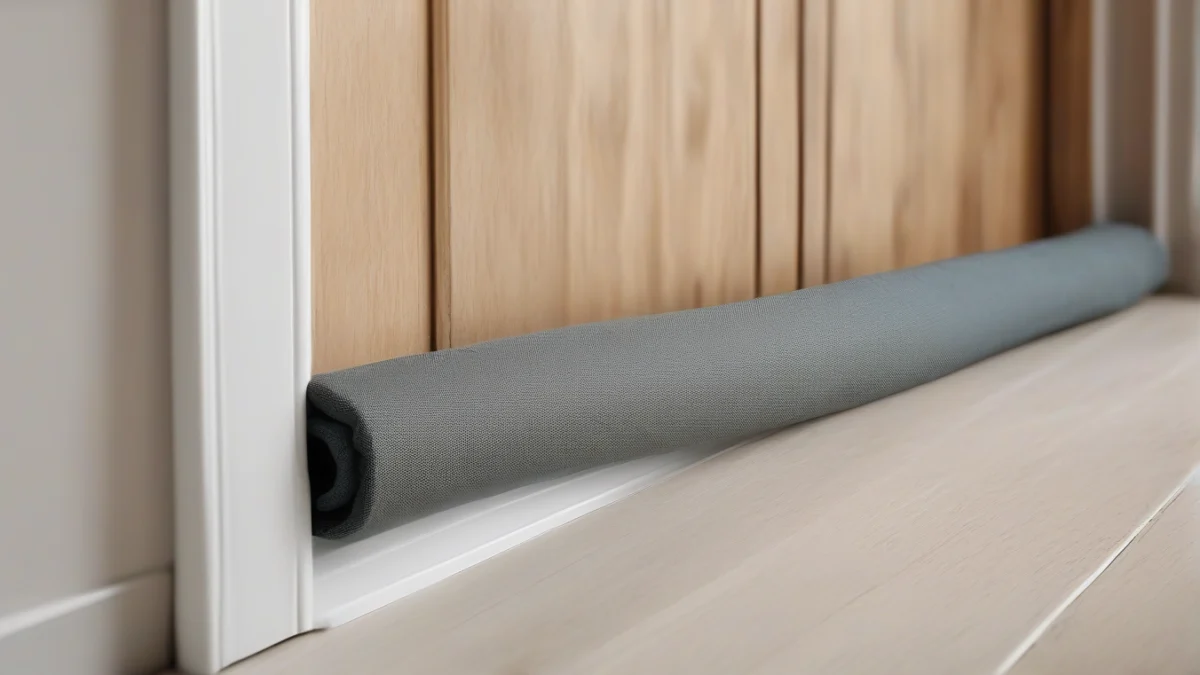
One simple way to detect drafts is to hold a lit candle or incense stick near the floor edges. Watch for flickering flames or moving smoke, which indicate airflow. Another method is to feel with your hand or use a thin strip of tissue paper to spot moving air.
- Inspect Floor Joints and EdgesLook for visible gaps, cracks, or holes between floorboards and along walls or baseboards.
- Check Around Door Frames and VentsDrafts can enter where wooden floors meet other materials or openings.
- Use a Candle or Incense StickMove it slowly near suspected areas to reveal air movement.
Sealing these gaps keeps warm air inside and cold air out. Common materials for sealing include silicone caulk, weatherstripping tape, and expanding foam for larger cracks. Use a flexible sealant for floor joints to allow for wood movement without cracking.
| Material | Use Case |
|---|---|
| Silicone Caulk | Sealing narrow gaps between floorboards and baseboards |
| Weatherstripping Tape | Sealing around door thresholds and vents |
| Expanding Foam | Filling larger gaps or holes beneath floorboards |
Sealing drafts is the most direct way to stop a cold wooden floor from chilling a room. It reduces heat loss by preventing warm air from escaping and cold air from entering. This step creates a foundation for adding insulation layers like rugs or underlays.
Choosing the Right Rugs and Thermal Underlays
A rug on a wooden floor can help with a cold room by adding a layer that slows heat loss. The best way to prevent heat loss through a wooden floor starts with a thick, dense rug that traps warm air and reduces contact with the cold floor.

Look for rugs made of wool or synthetic fibers with a high pile height and dense weave. These materials insulate better than thin or flat rugs. Avoid very thin decorative rugs that offer little thermal resistance.
Thermal underlays go beneath rugs and add insulation without changing your floor’s appearance. They usually consist of foam, felt, or rubber layers designed to reduce heat transfer. Place underlays under rugs in high-traffic or coldest spots for the best effect.
Use underlays with at least 3/16 inch thickness to improve insulation. Some underlays also provide soundproofing and protect wooden floors from scratches. Check manufacturer instructions to ensure compatibility with your floor type.
Combining a thick rug with a thermal underlay can reduce heat loss by up to 30%. This pairing traps warm air between the floor and your feet, making the room feel warmer without raising the thermostat.
Avoid placing rugs directly on cold floors without underlays if the floor surface is very cold or drafty. That setup wastes the rug’s insulating potential and can feel chilly to bare feet.
Installing Insulation Beneath Wooden Floors
Wooden floors on their own do not keep a room warm in winter. Heat escapes downward unless there is insulation beneath. Installing insulation under wooden floors reduces heat loss by blocking cold air from below and retaining warmth inside the room.
Common insulation materials for under floors include rigid foam boards, fiberglass batts, and mineral wool. Rigid foam offers a high R-value per inch and resists moisture. Fiberglass and mineral wool batts fit between joists and provide good thermal resistance but must stay dry.
For homes with crawl spaces or basements, access the underside of the wooden floor and inspect the joists. Cut insulation to fit snugly between joists without compression. Secure insulation with supports or netting to prevent sagging.
- Prepare the AreaClear debris and check for signs of moisture or pests. Repair any damage before installing insulation.
- Install a Vapor BarrierLay plastic sheeting on the warm side of the insulation to block moisture migration if your climate requires it.
- Fit Insulation Between JoistsCut insulation to fit tightly between floor joists. Avoid gaps which reduce effectiveness.
- Secure InsulationUse wire supports or mesh to hold insulation in place and prevent sagging.
- Check VentilationEnsure crawl space vents are clear or install mechanical ventilation to keep the area dry.
Insulating beneath wooden floors can lower heating costs by reducing heat loss of 10 to 25 percent, depending on the existing floor and climate. It also improves comfort by keeping floors warmer underfoot.
Optimizing Your Heating System and Room Layout
Heating systems work differently with wooden floors than with tile or carpet. Forced-air systems distribute heat evenly but may cause drafts near vents. Radiant floor heating or oil-filled radiators provide steady warmth that complements wooden floors well.
To heat a cold tiled bathroom or toilet room, use a combination of a small electric radiant heater or a ceramic fan heater designed for bathrooms, plus heavy rugs or bath mats to reduce heat loss through the floor.
Arrange furniture to block drafts from windows and doors. Place sofas and chairs away from cold walls or vents. Heavy curtains on windows reduce heat loss and stop cold air from mixing with warm room air.
Keep heat sources away from furniture that could block airflow. Avoid placing large pieces directly in front of radiators or heaters. Instead, position seating where it can benefit from direct warmth.
For the smartest room layout for warmth, keep interior doors open to allow heat circulation. Use rugs to insulate floors and position heaters centrally or near seating areas for maximum effect.
Heavy curtains and well-placed furniture slow heat loss through windows and walls. Thick curtains with thermal lining can reduce heat loss by up to 25 percent. Combine this with draft sealing for best results.
Adjust thermostat settings to maintain consistent warmth rather than large temperature swings. Lowering the temperature at night and raising it before waking saves energy without discomfort.
These strategies help keep rooms with wooden floors warm efficiently and reduce heating costs. For more on choosing the best heaters for wood floors, see Best Heaters for Cold Rooms with Wood Floors.
Frequently Asked Questions
What can I put on my wooden floor to keep it warm?
How do I insulate my wooden floors from below?
What are the best rugs for cold wooden floors?
Can I use thermal underlays on wooden floors?
How can I identify drafts in my wooden floor?
What types of insulation are best for under wooden floors?
The other half of this decision is stop cold air coming through your floors.
We go through eliminating drafts from the roof step by step in a separate article.