
Your conservatory should be a haven, a sun-drenched room for all seasons. But when winter arrives, it often becomes the coldest spot in the house. You’re not alone in wondering about the best way to heat a conservatory in winter. The good news is you have more options than you might think.
Solving this isn’t just about blasting more heat. It’s a two-part strategy: first, you tackle the heat loss prevention, then you choose the right conservatory heating solution. For a quick, targeted warmth boost, a portable heater can be a smart stopgap. Many find success with products like FLANUR Space Heaters, which offer focused heat for a single room without the commitment of a permanent install. But let’s start by understanding the root of the chill.
Why Your Conservatory is So Cold
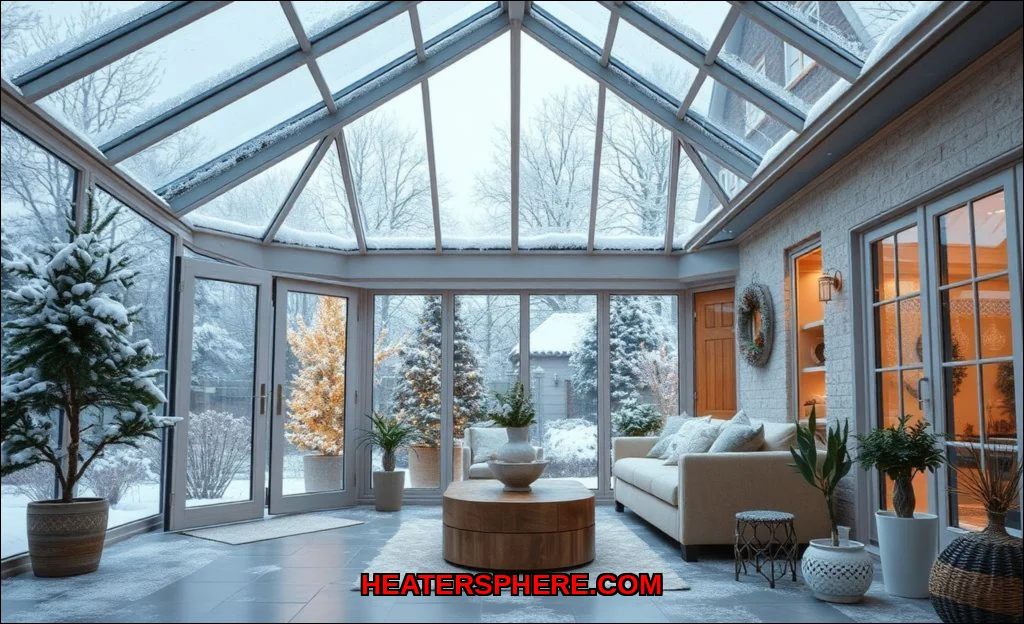
Conservatories are beautiful because they’re mostly glass. That’s also their biggest thermal weakness. You’re essentially living in a glorified greenhouse. The primary culprits are simple physics: glass is a poor insulator, and heat always moves toward cold. Large single-glazed or even older double-glazed panels allow warmth to escape rapidly. This is compounded by thermal bridging, where the cold from the metal or PVC frames conducts directly into the room’s structure.
You’ll also notice significant temperature swingsscorching in summer, freezing in winter. This is due to a lack of thermal mass. Materials like brick or concrete absorb heat during the day and release it slowly at night. Glass and thin conservatory structures have almost none, leading to rapid cooling as soon as the sun goes down. Addressing these issues is your first step toward a warmer glass room. The other half of this decision is winter heating for conservatories.
Insulation First: Sealing the Envelope
Before you spend money on heating, invest in keeping the heat you already have. This is the cheapest way to heat a cold conservatory in the long run. Think of it as fixing a leaky bucket before trying to fill it with more water.
Stop the Drafts
Draft proofing is your most immediate win. Check all window and door seals. Feel for cold air seepage on windy days. Replacing worn weatherstripping or using draft excluders at the base of doors can make a noticeable difference. Don’t forget keyholes and where the conservatory joins the main housethese are common culprits for cold room solutions.
Upgrade Your Glazing & Surfaces
If new windows aren’t in the budget, consider secondary glazing. This involves adding a separate pane of glass or clear plastic inside your existing windows, creating an insulating air gap. For the roof, installing insulated panels can dramatically cut heat loss. The efficacy of blinds versus curtains for glass is a key consideration. While good thermal curtains are excellent for walls and large vertical panes, specially designed conservatory blinds (especially for the roof) often provide a tighter seal and better reflective properties to trap heat.
Targeted Heating Solutions for Conservatories
Once you’ve tightened the ship, it’s time to choose your heat source. The right choice depends on how you use the space and your budget.
Electric Radiators & Heaters
These are the most common solutions for sunroom heating. Modern electric radiators are efficient, offer precise thermostat control, and don’t require a wet system. Look for models with frost protection settings. For a flexible option, a safe portable heater for conservatory use, like an oil-filled radiator or a ceramic tower heater with tip-over protection, can be ideal for occasional use. Always follow safety guidelines for portable units.
Underfloor Heating
Underfloor heating is a luxurious and effective choice. It provides even, radiant heat that rises gently, combating cold floorsa major issue in conservatories. Electric mat systems are easier to retrofit than water-based systems. The warmth also helps in reducing condensation on cold surfaces. It’s a set-and-forget solution that works beautifully with tile or stone floors, adding to the room’s thermal mass. We go through how to heat a cold conservatory in the morning step by step in a separate article.
Conservatory-Specific HVAC
This is a missing entity in many discussions. A split-system air conditioner (heat pump) can be a superb year-round solution. It provides efficient heating in winter and cooling in summer, directly addressing the seasonal extremes of a seasonal room. While the upfront cost is higher, the energy efficiency for consistent use can be excellent.
Energy Efficiency & Cost Considerations
Heating a glass box will always have a cost, but smart choices keep it manageable. The goal is an efficient conservatory heater that doesn’t waste money.
Zoned heating is the golden rule. Your conservatory should have its own thermostat, completely independent from your main home heating system. This allows you to heat it only when you’re using it, preventing energy waste. Also, consider the timing. Heating the room just before you use it is more efficient than leaving it on a low setting all day, especially if insulation isn’t perfect.
For broader context on home heating efficiency, resources like the Energy Saving Trust’s guide to heating your home offer excellent foundational advice. The principles of managing heat loss prevention apply everywhere, from a drafty annex to a modern apartment. Speaking of which, if your main house has its own thermal challenges, you might find our guides on the best heater for older houses with cold walls or solutions for the best heater for cold apartments with high heat loss useful for a whole-home approach.
| Solution Type | Best For | Key Consideration |
|---|---|---|
| Thermal Curtains/Blinds | Immediate insulation boost, night-time use | Installation ease; look for thermal backing |
| Electric Radiator | Regular, zoned heating | Fixed installation & wiring required |
| Portable Heater | Occasional, flexible heat | Safety features (tip-over, overheat protection) are mandatory |
| Underfloor Heating | Even, background warmth, luxury feel | Best installed during floor renovation |
Practical Tips for Immediate Improvement
You can start making your conservatory warmer today while planning bigger projects.
- Use the sun. Open curtains on sunny winter days to let solar warmth in. Close all thermal curtains tightly before dusk to trap it.
- Add rugs and textiles. They won’t solve everything, but they add insulation underfoot and make the space feel psychologically warmer.
- Circulate air. Use a ceiling fan on a low, clockwise setting (in winter) to push warm air that pools at the ceiling back down.
- Address condensation promptly. Wipe down windows in the morning. Persistent damp makes a room feel colder and can lead to mold. A dehumidifier can help.
- Think about furniture. Upholstered items hold more warmth than metal or plastic. Rearranging seating away from the glass can also increase comfort.
Transforming a cold conservatory is absolutely achievable. Stop asking how to stop a conservatory being so cold and start with the basics: seal it, then heat it smartly. Prioritize insulationyour draft proofing and window treatments. Then, select a heating solution that matches your usage patterns, whether that’s a permanent underfloor heating system or a versatile electric radiator. The result is a space you can enjoy comfortably, no matter what the thermometer says outside.
