
Living in a damp house can lead to discomfort and health issues. It’s essential to tackle the moisture problem before focusing on heating to ensure a warm and inviting home.
How to Warm Up a Damp House and Stay Cozy
Start by stopping moisture from entering and lingering. Then add effective heating and improve insulation to hold warmth. Maintain these steps regularly to keep dampness and cold away.
Damp walls and floors, especially tiled ones, pull heat from the air. To warm a house with tiled floors, focus on raising surface temperature first with radiant or oil-filled heaters that warm objects, not just air. This prevents cold tiles from making the room uncomfortable.
If your house lacks insulation, a powerful heater alone won’t keep it warm long. Use a 1,500-watt ceramic or infrared heater placed near seating or activity areas. These heaters raise skin and object temperature quickly, which feels warmer even if the air stays cool. Avoid relying on central heating unless insulation improves.
Corners of a house should be warm, not cold or damp. Cold corners mean poor airflow or missing insulation. Use small heaters or heated panels in corners to stop cold spots and prevent condensation buildup that causes mold.
Terraced houses lose heat through shared walls and sometimes have poor insulation in those areas. Keep internal doors closed to trap heat in living spaces. Use draft stoppers on external doors and windows. A combination of dehumidification and portable heaters works best to maintain warmth and dryness in these homes.
- Identify and Control Moisture SourcesCheck for leaks, condensation, and poor ventilation. Fix plumbing leaks and vent bathrooms and kitchens to the outside. Use a dehumidifier to reduce indoor humidity below 60%.
- Choose Effective Heating MethodsSelect heaters that warm objects and people, like ceramic or oil-filled radiators. Place heaters near cold surfaces or cold corners. Avoid using heaters that rely only on heating air in poorly insulated spaces.
- Improve Insulation and Seal DraftsAdd insulation where possible, especially in walls and floors. Use weather stripping on doors and windows to stop drafts. Insulate or cover cold tiles with rugs if permanent insulation isn’t an option.
- Maintain Regular Heating and Moisture ControlRun heaters on low settings to keep temperature steady. Use a dehumidifier daily during damp months. Open windows briefly for ventilation but avoid long cold drafts. Check for new leaks or mold monthly.
| Appliance | Watts | Per hour | Per day (8 h) | Per month (30 days) |
|---|---|---|---|---|
| 1,500 W space heater | 1,500 W | 26¢ | $2.04 | $61.20 |
| Dehumidifier | 300 W | 5.1¢ | 41¢ | $12.24 |
For more on heating poorly insulated rooms, see how to warm a room without insulation effectively. To tackle cold spots in bedrooms and corners, why some rooms feel colder explains airflow and insulation effects. If you live in a terrace house, how to warm up an old UK terrace house in winter offers targeted advice.
Identify and Control Moisture Sources
Dampness in a house comes mainly from three types of moisture: condensation, rising damp, and penetrating damp. Condensation happens when warm, moist air touches cold surfaces like windows or walls, turning into water. Rising damp occurs when moisture from the ground moves up through the building materials. Penetrating damp is water seeping in from outside, often through damaged roofs, walls, or gutters.
You can warm a damp house after sunset, but only if you manage moisture at the same time. Heating without controlling dampness traps moisture inside, making the air feel colder and increasing the risk of mold. Corners of a house should be warm, not cold. Cold corners encourage condensation and mold growth. Heat circulation to these areas prevents moisture buildup.
- Find Moisture SourcesLook for water stains, mold patches, and musty smells near windows, walls, and floors. Check gutters, downspouts, and roof condition for leaks. Inspect the ground level for poor drainage or broken damp-proof membranes.
- Reduce Indoor HumidityUse exhaust fans in kitchens and bathrooms to vent moist air outdoors. Open windows briefly to improve air exchange when weather allows. Run a dehumidifier rated for your home’s size to lower humidity below 50%.
- Fix Leaks and DrainageRepair roof leaks, broken gutters, and damaged walls promptly. Ensure the ground slopes away from the foundation to prevent water pooling. Install or repair damp-proof courses in walls if rising damp is detected.
Long-term moisture control includes improving ventilation systems and sealing external cracks or gaps. Consider installing trickle vents on windows for constant fresh air without major heat loss. Adding insulation to walls and roofs helps keep surfaces warmer, reducing condensation risk.
Heating a damp house without addressing moisture sources raises running costs and fails to improve comfort. Start with controlling moisture, then use heating to maintain a steady, warm indoor climate. For more on heating options for damp homes, see Ceramic vs Infrared Heaters for Damp UK Weather and for natural warming methods, check How to Warm a Damp, Cold Room Naturally.
Effective Heating Solutions for Damp Conditions
Heating a damp house requires more than just turning up the thermostat. Choose heaters that handle moisture well and can work alongside dehumidifiers to reduce dampness effectively.

Oil-filled radiators and ceramic heaters are top choices for damp rooms. They produce steady, dry heat that helps lower humidity without adding moisture back into the air. Infrared heaters warm objects and people directly, which can feel comfortable in damp spaces but do not reduce moisture.
| Heater Type | How It Works | Suitability for Damp Rooms | Typical Use |
|---|---|---|---|
| Oil-filled radiator | Heats oil inside the unit which radiates warmth over time | Excellent: dry heat and retains warmth after turning off | Bedrooms and living rooms |
| Ceramic heater | Uses ceramic plates to heat air blown out by a fan | Good: fast heat and dry air, but fan can spread dust | Bathrooms and small spaces |
| Infrared heater | Emits infrared waves that heat objects directly | Fair: warms people quickly but does not reduce humidity | Spot heating in damp areas |
| Fan heater | Blows heated air quickly | Poor: can increase humidity and spread damp air | Not recommended for damp rooms |
Long-Term Fixes: Insulation and Structural Repairs
A cold house despite insulation often means the insulation is incomplete, compressed, or missing in key spots. Insulation works by trapping air to slow heat loss. Gaps, moisture damage, or poor installation let warm air escape and cold air in.
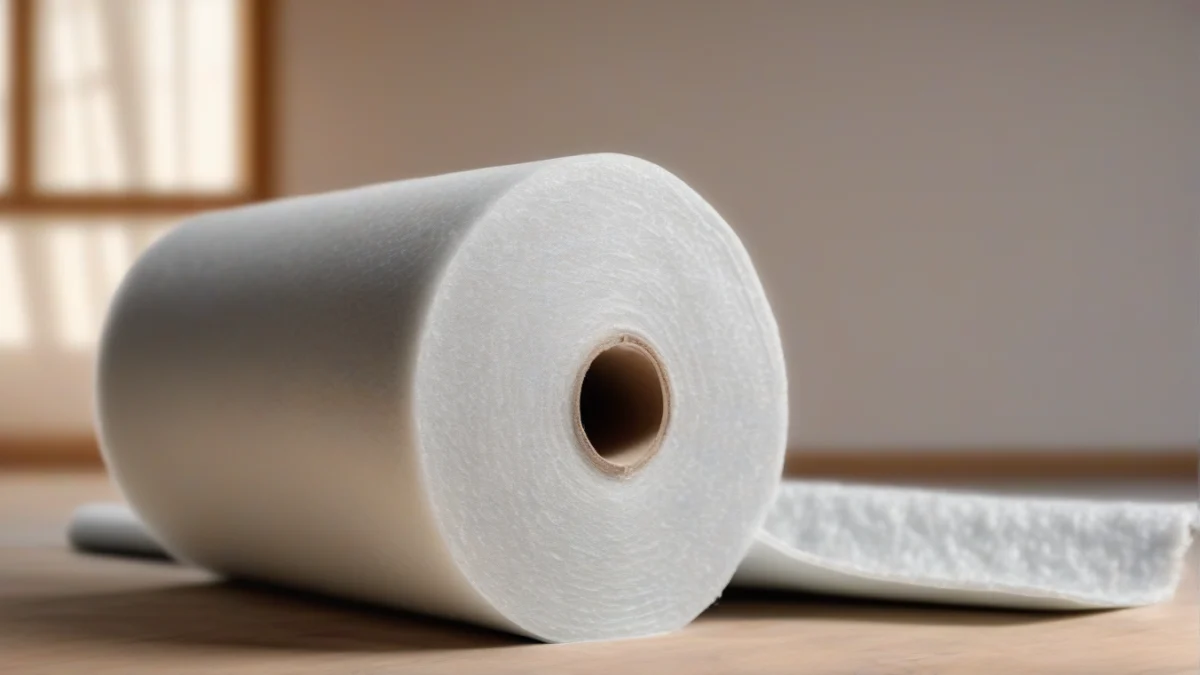
In the UK, warming a poorly insulated house efficiently means focusing on both insulation upgrades and targeted heating. Adding insulation in walls, floors, and the roof reduces heat loss dramatically, cutting heating bills and improving comfort. Portable heaters alone cannot compensate for lost heat through uninsulated surfaces.
- Check Wall InsulationMany older homes lack cavity wall insulation or have degraded material. Filling wall cavities with foam or mineral wool can add R-values of 2 to 3 per inch, reducing heat loss by up to 35%. External or internal insulation boards are options when cavity filling isn’t possible.
- Insulate Floors and RoofsFloors over unheated spaces or basements lose heat rapidly. Adding rigid foam or mineral wool insulation under floorboards or in crawl spaces helps. Roof insulation in lofts or attics is essential; 10 to 14 inches of fiberglass or cellulose can halve heat loss through the ceiling.
- Seal Drafts and Moisture PathsInsulation only works if air leaks and moisture are controlled. Use weatherstripping on doors and windows, seal gaps around plumbing and wiring, and install vapor barriers where recommended to prevent condensation that damages insulation.
- Inspect for Structural DamageCracks, rising damp, and damaged foundations let cold and moisture enter. These require repairs before insulation. Look for peeling paint, mold, or soft plaster as signs. Addressing these problems stops ongoing damage and supports insulation effectiveness.
- Hire Professionals When NeededStructural repairs often need licensed builders or damp specialists. Insulation installation in tricky areas or with moisture issues may require certified contractors. Professional assessment ensures the right materials and methods for your house’s condition.
Upgrading insulation and making structural repairs are investments that pay off in lower heating costs and a healthier home. They reduce dampness by keeping walls warm and dry, preventing condensation and mold growth. Combine these fixes with ventilation and heating strategies for lasting comfort.
For specific advice on warming a poorly insulated UK house efficiently, see How to Warm a Poorly Insulated UK House Efficiently. For understanding why your house stays cold even with insulation, Why Is My House Cold Even With Insulation? explains common causes and solutions.
Frequently Asked Questions
What are the best ways to prevent dampness in my home?
How can I tell if my insulation is effective?
What type of heater is best for a damp room?
How often should I check for moisture issues?
Can I use a space heater in a damp area?
What should I do if I find mold in my house?
We go through insulating stone cottage walls step by step in a separate article.
It helps to understand insulating a basement room before spending anything.
