
Cold drafts can significantly impact your comfort and increase energy bills. Sealing window trims is a straightforward solution that enhances thermal efficiency and saves money.
How to Seal Window Trims to Stop Heat Loss
Heat loss through window trims happens mainly because of gaps and cracks that let warm air escape and cold air enter. To stop this, seal all gaps using caulk for fixed cracks and weatherstripping for movable parts to create a continuous barrier against drafts.

Single-pane windows lose more heat than double-pane models because they lack insulation. Adding storm windows or sealing gaps around trims can reduce heat loss effectively in rental properties where window replacement isn’t allowed.
Start by inspecting the window trims for visible cracks, gaps, and worn weatherstripping. Use a flashlight from inside at night or feel for drafts with your hand.
- Clean the Trim AreaRemove dirt, peeling paint, and old caulk from around the window trim. Use a putty knife and a brush to ensure the surface is clean for good adhesion.
- Apply Caulk to Fixed Trim GapsUse a high-quality exterior-grade acrylic latex caulk. Cut the tip of the tube to match the gap size, then apply a smooth bead along the crack. Smooth the caulk with a wet finger or tool for a tight seal.
- Install Weatherstripping on Movable PartsChoose weatherstripping material that fits the window type and gap size. Compress it lightly and press firmly along the sash or frame where the window closes to block air leaks.
- Check and Replace Old or Damaged WeatherstrippingRemove any brittle or flattened weatherstripping. Replace it with a durable type designed for windows, like vinyl or foam tape, to maintain a snug fit.
- Test the SealAfter sealing, close the window and check for drafts. Use a candle or incense stick near the trim; if the flame or smoke moves, find and reseal those spots.
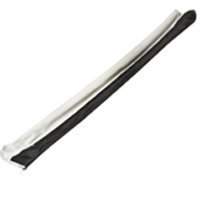
Use caulk on fixed trim cracks because it hardens to block air and moisture permanently. Weatherstripping works best on movable parts like sashes, where a flexible seal is needed to allow opening and closing.
| Material | Best Use | Durability | Ease of Installation |
|---|---|---|---|
| Acrylic latex caulk | Sealing fixed cracks in trim | High, lasts years outdoors | Medium, needs smoothing |
| Vinyl or foam weatherstripping | Sealing movable window parts | Good, may need yearly check | Easy, peel and stick or nail-on |
| Silicone caulk | Around window frames exposed to moisture | Very high, water resistant | Medium, tricky to smooth |
| Rubber weatherstripping | Heavy-duty seal for large gaps | High, flexible and durable | Moderate, may require tools |
To reduce heat loss in a rental where replacing windows is not allowed, focus on sealing gaps with removable weatherstripping and temporary caulk that can be removed later. Adding heavy curtains also helps retain heat.
For single-pane windows, sealing gaps is the most cost-effective way to reduce heat loss. Adding a clear plastic film or storm window can improve insulation without permanent changes.
For a detailed guide on reducing heat loss through windows, see how to reduce heat loss through windows.
Identifying Drafts and Problem Areas
Windows are a major source of heat loss in a room because warm air escapes through the glass and frame, while cold air seeps in. Heat transfers from the warm side to the cold side through conduction in the glass pane and convection through gaps around the window trim. If a room has many windows, heat loss increases proportionally, making it harder to maintain a comfortable temperature and raising heating costs.

Drafts often come from gaps where the window trim meets the wall or where the sash meets the frame. Other common problem areas include cracks in the caulk, worn weatherstripping, and poorly fitted window panes. Identifying these drafts is the first step toward stopping heat loss effectively.
- Visual InspectionLook for visible cracks, gaps, or peeling paint around the window trim. Check for warped or loose trim pieces where air could pass through.
- Feel for Air MovementOn a cold day, run your hand slowly around the window edges and trim to sense any cold air entering or warm air escaping.
- Use a Candle or Incense StickLight a candle or incense stick and hold it near the window trim edges. Watch for flickering or smoke drifting sideways, indicating air movement through gaps.
- Check with a Thermal CameraA thermal imaging camera shows temperature differences around the window trim, clearly highlighting cold spots where heat escapes.
| Common Draft Areas | Why They Leak |
|---|---|
| Gap between window sash and frame | Wear or missing weatherstripping |
| Cracks in caulk around trim | Aged or cracked sealant |
| Loose or warped trim | Air gaps at joints |
| Single-pane glass | Poor insulation; high conduction |
Choosing the Right Materials: Caulk vs. Weatherstripping
The best fabrics to insulate windows from heat include tightly woven polyester or thermal-backed curtains that reduce heat transfer. These fabrics block radiant heat loss and help keep warm air inside. However, sealing gaps with caulk and weatherstripping is essential to stop drafts that fabrics alone cannot block.
Caulk is a sealant used to fill cracks and gaps that don’t move, such as between window trim and the wall. It hardens to form a permanent barrier that stops air leaks. Weatherstripping is flexible material applied to moving parts like window sashes. It compresses to fill gaps when the window closes and can be replaced if worn.
| Material | Best Use | Key Features |
|---|---|---|
| Caulk | Sealing fixed gaps around trim | Long-lasting, paintable, rigid when dry |
| Weatherstripping | Sealing movable joints on windows | Flexible, compressible, replaceable |
Maintenance and When to Re-Seal
Seals around window trims lose effectiveness over time due to temperature changes, moisture, and mechanical wear. Check them at least once a year and after severe weather.
Look for cracks, gaps, peeling caulk, or compressed weatherstripping. These signs let warm air escape and cold drafts enter, increasing heating costs.
Skylight windows need extra attention. They face direct sunlight and often experience more temperature swings than vertical windows. To prevent heat loss, apply high-quality silicone caulk designed for skylights around the trim.
Reflect heat from a skylight by installing reflective films or thermal blinds. These reduce heat gain in summer and heat loss in winter by bouncing infrared rays away from the glass.
- Inspect Seals AnnuallyCheck all window trims, focusing on corners and joints where cracks appear first.
- Clean Before RepairRemove dirt and old caulk to ensure new sealant adheres properly.
- Reapply Caulk or WeatherstrippingUse silicone caulk for gaps under 1/4 inch and weatherstripping for movable parts like sashes.
- Check Skylight SealsApply specialized sealants for skylights and consider heat-reflective window treatments to reduce energy loss.
Proper maintenance extends the life of your window seals and saves energy. A well-sealed window trim reduces drafts and prevents moisture damage that leads to costly repairs.
For more on reducing heat loss through windows, see how to reduce heat loss through windows.
Frequently Asked Questions
How much heat can I lose through windows?
What is the best way to seal window drafts?
Can I use expanding foam for window sealing?
How often should I inspect my window seals?
What are the benefits of sealing window trims?
Do I need a professional to seal my windows?
There is more on how to stop door drafts in a guide of its own.
There is more on insulating a long, narrow living room: key tips in a guide of its own.
