
Feeling a chill in your bedroom while the rest of the house is warm can be frustrating. This issue often stems from a combination of HVAC inefficiencies, insulation problems, and airflow restrictions.
Reasons Your Bedroom Is Colder Than Other Rooms
Your bedroom may feel colder than the rest of the house because of uneven heating distribution, poor insulation, or thermostat and zoning issues. Often, upstairs bedrooms and rooms on one side of the house lose heat faster due to airflow problems and thermal envelope weaknesses.
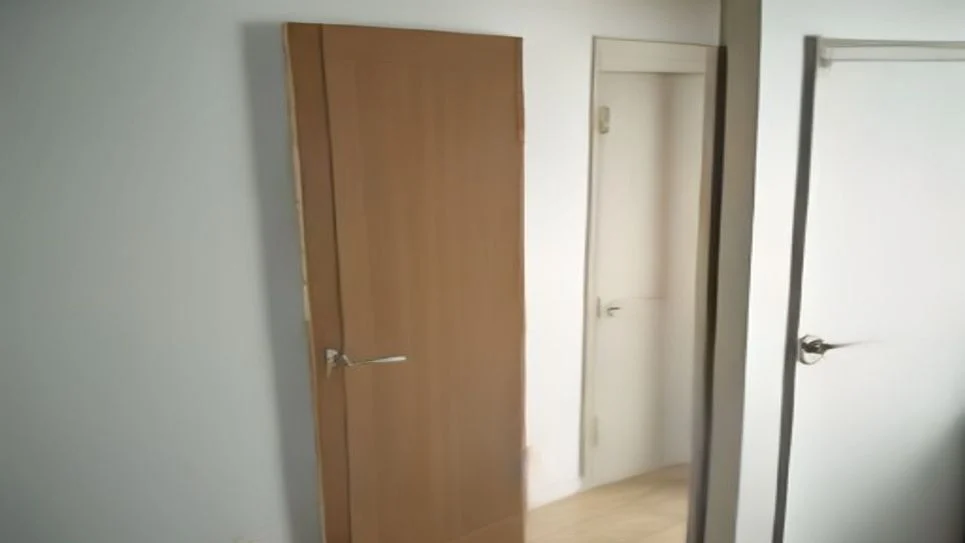
Heating systems rely on ducts or radiators to deliver warmth. If ducts are blocked or leaking, or if vents are closed or obstructed, the bedroom won’t get enough warm air. This is common when the HVAC system is designed with limited zoning or when the ductwork runs far from the furnace.
Upstairs bedrooms tend to be colder because warm air rises and often escapes through poorly insulated ceilings or attics. In winter, heat loss through the roof and upper walls is higher, making these rooms chillier than downstairs areas that benefit from heat rising from below.
The side of the house can also affect temperature differences. Rooms facing north or shaded by trees or buildings receive less solar heat. Exterior walls with insufficient insulation or air leaks let cold air in, lowering the room temperature compared to sunnier sides.
Thermostat placement and zoning can cause uneven heating. A single thermostat controlling multiple rooms can’t adjust for temperature differences between floors or wings. Without zoning dampers or multiple thermostats, some rooms stay cold while others overheat.
Insulation quality and the home’s thermal envelope play a big role. Bedrooms with thin wall or ceiling insulation lose warmth faster. Gaps around windows, doors, and baseboards let drafts in. Even small leaks add up to significant heat loss, especially in older homes.
- Check HVAC Ducts and VentsLook for blocked, closed, or leaking vents in the bedroom. Make sure registers are open and unobstructed by furniture or curtains.
- Inspect InsulationCheck attic and wall insulation levels in the bedroom area. Add insulation if it’s thin or missing, especially in the ceiling above the room.
- Seal DraftsUse weatherstripping or caulk around windows, doors, and baseboards to reduce cold air infiltration.
- Evaluate Thermostat and ZoningNote if one thermostat controls multiple rooms. Consider installing zoning controls or a separate thermostat for the bedroom.
Bedrooms colder than the rest of the house come down to how heat is delivered and retained. Fixing duct issues, improving insulation, sealing drafts, and adding thermostat zones can balance temperatures and improve comfort. For more on temperature differences by room, see Why Is One Room Colder? How to Fix It and for upstairs heating challenges, check How to Heat an Upstairs Room That’s Colder.


How to Diagnose the Problem Yourself
Start by confirming your bedroom is actually colder than the rest of the house. Use a room thermometer to measure the temperature in your bedroom and compare it to other rooms at the same height and time of day. A difference of more than 3 to 5 degrees Fahrenheit is significant.
- Measure TemperaturesPlace digital or mercury thermometers in your bedroom and at least two other rooms. Leave them for 15 to 30 minutes away from direct sunlight or drafts for an accurate reading.
- Check AirflowStand near the bedroom heating vent or radiator and feel for warm air or heat. If the airflow is weak or cold, the problem may be blocked vents, closed dampers, or issues with your HVAC system.
- Inspect for DraftsOn a windy day, slowly move a lit incense stick or thin tissue around windows, doors, electrical outlets, and baseboards. If the smoke or tissue moves, you have drafts letting cold air in.
- Examine Window and Door SealsLook for cracked, missing, or compressed weatherstripping and caulk around windows and doors. These gaps let cold air enter and warm air escape.
- Confirm Thermostat Settings and PlacementMake sure the thermostat is set to heat and the temperature is consistent with other rooms. A thermostat located in a warmer room or near heat sources can cause uneven heating.
DIY Fixes for Immediate Relief
Fix a cold bedroom quickly by sealing drafts, balancing airflow, and optimizing heat distribution. These steps improve comfort without waiting for major repairs or upgrades.
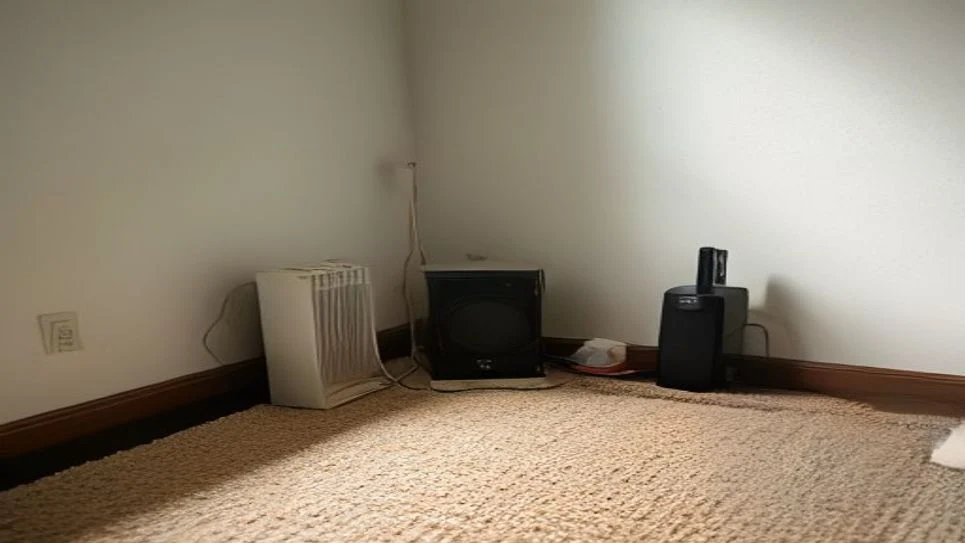
- Seal Drafts and InsulateCheck around windows, doors, and baseboards for air leaks. Use weatherstripping or caulk to seal gaps. Add thick curtains or thermal window film to reduce heat loss through glass. Consider a door sweep to block cold air from under the door. Insulating walls or adding a rug on cold floors helps retain heat.
- Balance Airflow Through DuctsIf your bedroom has vents, adjust the dampers to increase warm air flow. Close or partially close vents in warmer rooms to redirect heat. Clean or replace air filters to improve overall HVAC efficiency. If you don’t have duct dampers, slightly close other room vents to push more air toward your bedroom.
- Optimize Room Layout for HeatMove furniture away from vents and radiators to avoid blocking warm air. Place a mirror or reflective panel behind radiators to direct heat into the room. Avoid heavy drapes or furniture that trap cold air near windows. Position your bed and seating areas where the heater’s warmth reaches directly.
- Use a Portable Space Heater SafelyA portable electric heater can provide quick, targeted warmth. Place it on a flat surface away from anything flammable, with at least 3 feet of clearance. Choose a model with tip-over and overheat protection and a thermostat to avoid overheating.
- Keep Doors Open or Use Door VentsKeeping the bedroom door open allows warm air to circulate better. If privacy is needed, install a door vent or a small fan to help air move between rooms.
When to Call an HVAC Professional
Call an HVAC professional if your bedroom stays cold despite basic fixes like sealing drafts and adjusting vents. Persistent uneven heating can signal duct problems, thermostat malfunctions, or system imbalances that require expert diagnosis.
Signs to call a technician include inconsistent heating in multiple rooms, unusual noises from the heating system, frequent cycling on and off, and a sudden spike in energy bills. These symptoms can indicate airflow blockages, failing components, or poor system calibration.
Professional air balancing tests measure airflow and temperature distribution throughout your home. Technicians use specialized tools to identify rooms with insufficient heat and adjust dampers, vents, or ductwork accordingly. This service ensures your heating system delivers warmth evenly and efficiently.
- Step 1: Monitor SymptomsNote if your bedroom remains cold after sealing drafts and adjusting vents, or if other rooms show uneven temperatures.
- Step 2: Check System PerformanceListen for unusual sounds and watch for frequent cycling or short heating cycles.
- Step 3: Schedule an HVAC InspectionContact a licensed technician to perform airflow measurements and inspect heating components.
Preventative Measures for Balanced Heating
Prevent cold bedrooms by maintaining your heating system regularly. Clean or replace filters every one to three months to keep airflow strong. Schedule annual professional tune-ups to check for leaks, inspect ductwork, and verify thermostat accuracy.
Smart thermostats offer precise temperature control and can balance heat across rooms by learning your schedule and adjusting settings automatically. Many models allow zoning control, so you can set warmer temperatures in bedrooms without overheating common areas.
Energy audits identify insulation gaps, duct leaks, and inefficient heating patterns. Auditors use blower door tests and thermal imaging to locate heat loss points. Fixing these issues improves comfort and lowers heating bills over time.
- Step 1: Replace or Clean FiltersDo this every 1-3 months to maintain airflow and system efficiency.
- Step 2: Install a Smart ThermostatChoose one with zoning features to control bedroom temperature separately.
- Step 3: Schedule Annual HVAC ServiceHave a professional check system components and ductwork for leaks or blockages.
- Step 4: Get an Energy AuditIdentify and seal insulation and duct leaks to reduce heat loss.
Frequently Asked Questions
What can cause my bedroom to be colder than the rest of the house?
How can I improve airflow to my cold bedroom?
What insulation methods can help with a cold bedroom?
Why does my upstairs bedroom feel colder in the morning?
When should I consider replacing my heater?
How do I know if my HVAC system needs professional help?
There is more on understanding temperature differences in a guide of its own.
Readers in this position usually ask about keeping your house warm as well.
