
Drafty windows can make your home uncomfortable and increase energy bills during the winter months. Understanding the sources of these drafts is key to effectively sealing them without the need for costly window replacements.
How to Cover Drafty Windows Without Replacing Them
Drafty windows let cold air in and warm air out, wasting heat and raising your energy bills. You can fix this without replacing the windows by sealing gaps and adding insulation with temporary films, weather stripping, or window insulation kits.
The first step is to identify where the drafts come from, usually gaps around the sash, cracks in the frame, or poor seals. Once you find the leaks, you can choose a fix that suits your budget and how long you want it to last. Temporary fixes like plastic window film and draft stoppers work well in winter, while weather stripping and caulking offer longer-term sealing.
If you want to fix drafty windows in winter quickly, applying a clear plastic film over the window pane is a fast and effective method. It creates an insulating air barrier that cuts drafts without blocking light. This method does not require caulking, which is useful if you want a no-permanent-change solution.
- Find the DraftsClose the window and carefully feel around the edges for cold air. Use a candle or incense stick near the frame to see if the smoke wavers, indicating air movement.
- Choose a FixFor quick relief, use plastic film kits or draft stoppers. For longer fixes, apply weather stripping around moving parts or use caulk for stationary cracks.
- Apply Plastic FilmClean the window frame, cut the film to size, and attach it using double-sided tape. Use a hair dryer to shrink the film tight and smooth.
- Install Weather StrippingMeasure the length of the window sash where it meets the frame. Cut the weather stripping to size and press it firmly into place to seal gaps without blocking window operation.
- Caulk GapsUse a paintable silicone or latex caulk for cracks in the frame or between trim and wall. Smooth the bead with a wet finger and let it dry fully before painting or exposure.
For heating drafty windows, sealing leaks means your heater’s warmth stays inside longer, reducing energy use. Combining window sealing with other room insulation methods, like insulating curtains or rugs, improves comfort and cuts costs. This approach works better than just turning up the heat in a drafty room.
If you want to cover large or multiple drafty windows, consider reading how to insulate large windows without replacing them for tailored methods that save more heat in big spaces. For a full home approach, see how to find and fix drafty windows in your home to catch every leak.
Common Causes of Drafty Windows
Drafts around windows let cold air in and warm air out. You can spot drafts by feeling for cold spots with your hand or a lit candle near the window edges on a windy day. Another method is to hold a piece of tissue or thin paper close to the frame; if it flutters, air is leaking.
- Check the Window Frame MaterialsLook for rotted wood, cracked vinyl, or crumbling caulk around the window frame. These degraded materials shrink or fall apart, creating gaps where air passes through.
- Inspect the Sashes and Frame FitWindows with sashes that don’t fit tightly in the frame leave gaps. Over time, weather changes and wear can warp or loosen the sashes, increasing draft size.
- Examine the Glazing Putty and SealantsCracks or missing sections in the glazing putty and sealant around the glass let air in. These materials dry out and break down over years, especially in older windows.
Quick and Temporary Fixes for Drafty Windows
Quick fixes for drafty windows this winter can cut cold air leaks without a big investment. These solutions work well when you need immediate relief or a temporary measure while planning a permanent repair.
- Use Window Insulation FilmApply clear plastic window insulation film on the inside of your window frame. The film creates an airtight barrier that traps a layer of still air, boosting insulation. Use double-sided tape to attach the film, then shrink it tight with a hair dryer to remove wrinkles. This inexpensive method improves heat retention significantly for several months.
- Make a DIY Draft SnakeFill a long fabric tube with sand, rice, or dried beans and place it along the bottom edge of your window sash. This blocks cold air coming through gaps under the window. Use an old sock or sew a simple tube from scrap fabric for an inexpensive, reusable draft stopper. Change the filling if it gets damp to avoid mold.
- Apply Bubble Wrap as InsulationCut bubble wrap to fit your window glass and attach it with water or double-sided tape. The trapped air pockets in the bubble wrap add insulation and reduce heat loss. This quirky fix also lets light through, unlike heavy curtains. It works best on single-pane windows and costs just a few dollars.
- Low cost and easy to install
- No tools or special skills needed
- Improve comfort immediately
- Film can tear or peel in humid rooms
- Draft snakes need occasional refilling
- Bubble wrap looks temporary and less tidy
These fixes are ideal for renters or anyone not ready to replace windows or install permanent weather stripping. They reduce drafts enough to lower heating bills and improve comfort during cold spells. For more detailed steps on sealing drafts, see 5 Quick Fixes for Drafty Windows This Winter.
Permanent Solutions for Drafty Windows
Weather stripping is the most effective way to seal drafts around movable window sashes. It forms a tight seal when the window is closed, stopping cold air leaks that raise heating bills.
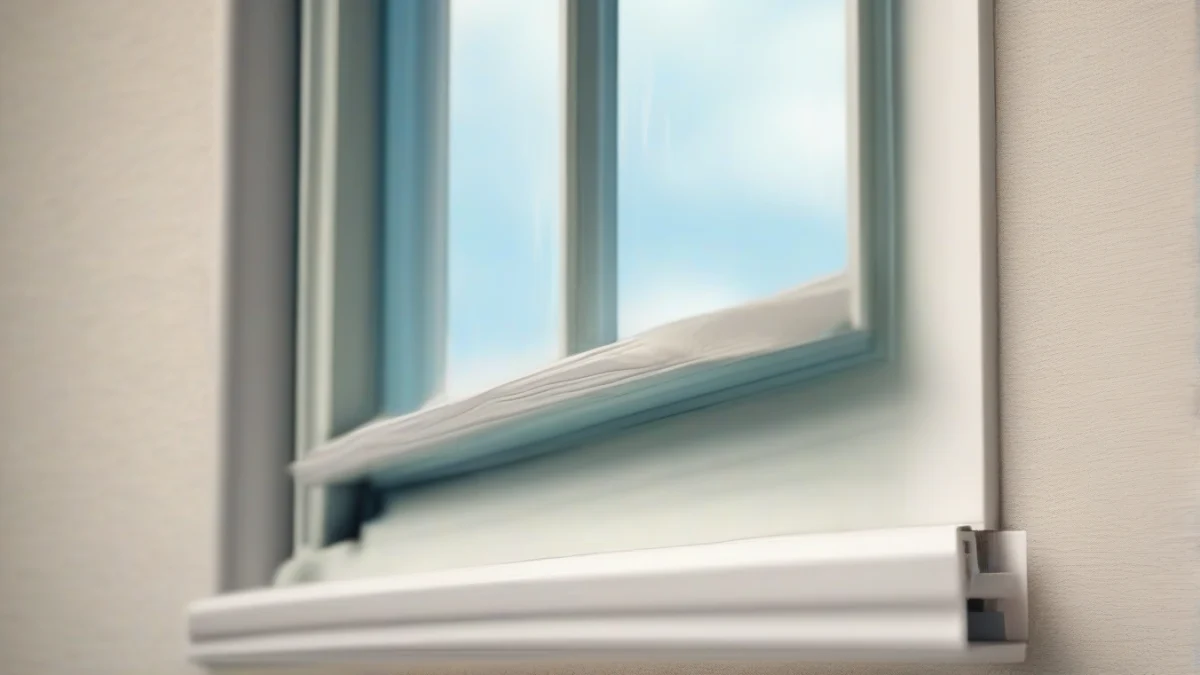
- Choose the Right Weather StrippingSelect foam, felt, vinyl, or rubber strips sized to fit the gap between the window sash and frame. Vinyl and rubber last longer and seal better but cost more.
- Clean the Window FrameRemove dirt and old adhesive where you will apply the weather stripping. Use rubbing alcohol for a clean surface.
- Measure and Cut StripsMeasure each side of the sash and cut strips to length. Test fit before peeling the backing.
- Apply the Weather StrippingPress the adhesive side firmly along the sash edges. Close the window to check for a snug fit without binding.
For gaps around stationary parts of windows, use caulk to fill cracks and holes. It creates a permanent barrier against drafts and moisture.
- Select the Right CaulkUse a high-quality exterior-grade silicone or latex caulk for durability and flexibility.
- Prepare the SurfaceRemove loose paint, dirt, and old caulk. Dry the area thoroughly.
- Apply Caulk SmoothlyCut the tip of the caulk tube to match the gap size. Use a caulking gun to apply a continuous bead, then smooth it with a finger or tool.
- Allow to CureFollow manufacturer instructions for drying time before exposing the area to water or paint.
Thermal curtains and cellular shades add insulation to windows, reducing heat loss through glass. They block drafts and keep warm air inside without replacing windows.
- Choose Insulating Window TreatmentsThermal curtains have a thick lining; cellular shades have air pockets that trap heat.
- Measure Your WindowsGet exact width and length to ensure full coverage and minimal gaps.
- Install ProperlyMount curtains or shades close to the window frame. For cellular shades, fit them inside the frame for the best seal.
- Close Treatments at NightKeep curtains or shades closed during cold hours to maximize insulation.
When to Call a Professional or Replace Windows
If you notice persistent drafts despite sealing attempts, or see condensation trapped between double panes, it signals a serious problem. These issues usually mean the window’s seal has failed or the frame is damaged beyond simple repair.
Professional repair can sometimes restore function if the frame is sound and the glass unit is replaceable. A window specialist can assess if resealing or replacing just the glass unit is feasible and cost-effective.
Full window replacement is the best option when the frame is warped, rotted, or damaged, or if multiple windows have failing seals. New windows with modern energy-efficient glass and insulated frames can cut heating costs by 10 to 25 percent depending on your climate and home.
| Option | When to Choose | Benefits | Drawbacks |
|---|---|---|---|
| Professional Repair | Seal failure or glass unit damage but good frame | Lower cost than full replacement; extends window life | May not fully restore efficiency; limited warranty |
| Full Replacement | Frame damage or multiple failing windows | Best energy savings; improved comfort; modern features | Higher upfront cost; installation disruption |
Long-term savings from new windows come from reduced heat loss and lower energy bills. Energy Star-rated windows typically have a U-factor of 0.27 or less, compared to old single-pane windows with U-factors around 1.0. This can translate to savings of hundreds of dollars per year in heating costs.
- Check for signs of damageLook for warped or rotted frames, broken glass, and condensation between panes.
- Try professional assessmentHire a certified window technician to evaluate repair options and costs.
- Compare costs and benefitsGet quotes for repair and replacement, then consider energy savings over time.
- Plan for replacement if neededSchedule installation during mild weather to minimize heat loss and disruption.
If you decide to keep your current windows, revisit sealing and insulation methods like those in quick fixes for drafty windows this winter. For more on insulating without replacement, see how to insulate a bedroom without replacing windows.
Frequently Asked Questions
What are the best temporary solutions for drafty windows?
How can I tell if my windows are drafty?
What materials do I need for a DIY draft snake?
Can bubble wrap really insulate windows?
How long do weather stripping and caulk last?
When should I consider replacing my windows?
There is more on ways to seal door gaps in a guide of its own.
We go through how to insulate window trims step by step in a separate article.