
A drafty hallway can make your home feel colder and lead to higher energy bills. Understanding how to tackle this issue can create a more comfortable living environment and enhance your home’s energy efficiency.
How to Heat a Drafty Hallway Effectively
Drafty hallways lose heat fast. Gaps around doors, window edges and baseboards let cold air in. This makes the hallway feel chilly and wastes energy. Fixing drafts and adding heat can make the space comfortable and efficient.
Drafts in hallways come from gaps around doors, windows, and where walls meet floors or ceilings. Cold air flows in and warm air escapes, making the hallway hard to heat. The archway or open ends of a hallway also let heat escape into adjoining rooms or stairwells.
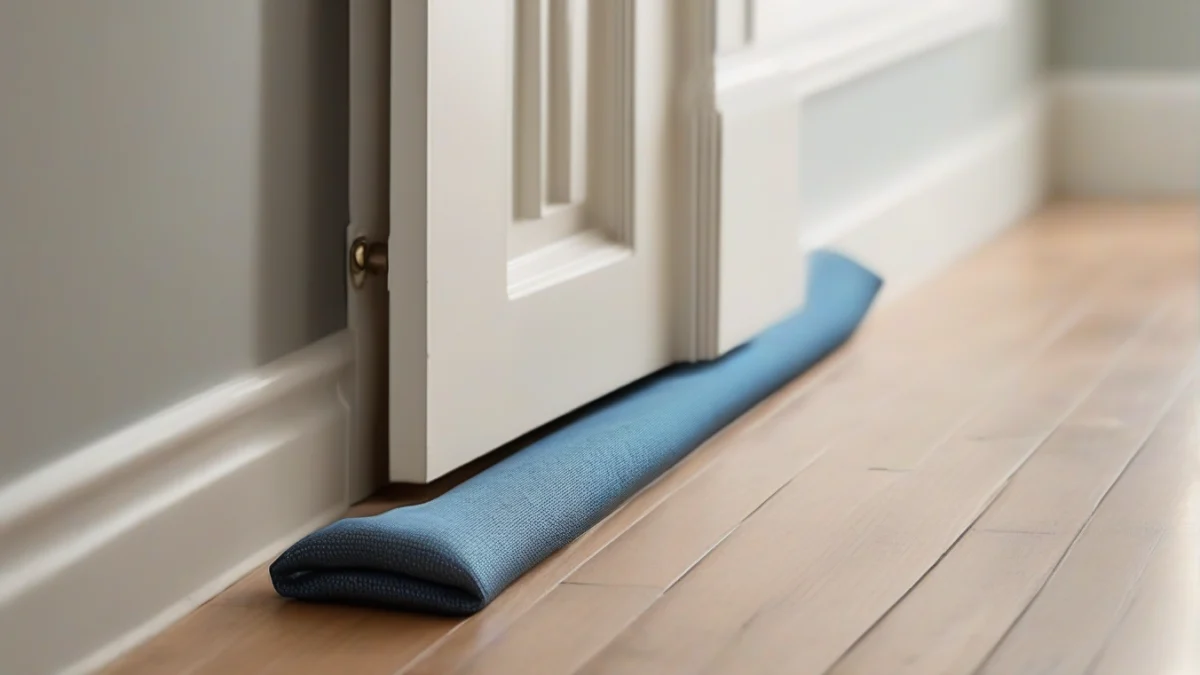
Seal common air leaks with weatherstripping and door draft stoppers. For example, a door sweep blocks cold air under doors and reduces heat loss through that gap. Use caulk or foam sealant on cracks around window frames and wall joints. This keeps heat where you want it.
- Locate draftsFeel for cold air near doors, windows, and baseboards on a windy day or use a smoke pencil to detect airflow.
- Install door draft stoppersAttach a door sweep or draft stopper to the bottom of external and internal doors to block air gaps.
- Apply weatherstrippingAdd adhesive weatherstripping tape around window sashes and door frames to seal leaks.
- Seal cracksUse caulk or spray foam on visible cracks around window frames, baseboards, and wall joints.

Supplemental heating helps when sealing alone does not warm the hallway enough. Electric space heaters with fan or ceramic elements distribute heat quickly. Heated floor mats add warmth where you walk, especially near doorways or cold floors. Choose a heater with safety features like tip-over and overheat protection, and keep it 3 feet from anything flammable.
To get more heat down a hallway, close doors to adjoining rooms to prevent heat loss there. Use draft stoppers on these doors too. If possible, add insulation in the walls or ceiling above the hallway to reduce heat loss through the structure.
| Appliance | Watts | Per hour | Per day (4 h) | Per month (30 days) |
|---|---|---|---|---|
| 1,500 W space heater | 1,500 W | 26¢ | $1.02 | $30.60 |
| Heated blanket or mat | 100 W | 1.7¢ | 6.8¢ | $2.04 |
Identifying and Sealing Air Leaks
Drafty corridors lose heat mainly through gaps around doors and windows. These leaks let cold air in and warm air out, making the hallway uncomfortable and your heating less effective. To stop this, start by finding where the air moves in or out.
Hold a lit incense stick or a smoke pen near door and window edges on a windy day. If the smoke wavers or is sucked out, you have a draft. Another method is to use your hand to feel for cold air along seals and frames. Check electrical outlets on exterior walls too, as they can leak air.
- Find leaksTest all doors, windows, and vents for air movement with smoke or your hand.
- Inspect weatherstrippingLook for gaps, cracks, or hardened strips that no longer seal tightly.
- Check thresholds and door bottomsFeel for drafts under doors and around the frame.
- Look at window panes and framesInspect for cracks or gaps where glass meets frame.
Once you find leaks, seal them with the right materials. Use adhesive-backed foam tape or rubber weatherstripping for gaps around doors and windows. Door sweeps block air under doors. For cracks in window frames, use clear silicone caulk. For larger gaps, expanding foam works well but be cautious not to warp window frames.
| Material | Use | Notes |
|---|---|---|
| Foam tape | Sealing gaps around door and window frames | Easy to apply, compresses to fill space |
| Rubber weatherstripping | Sealing door edges | Lasts longer than foam, good for frequently used doors |
| Door sweep | Sealing door bottoms | Blocks drafts under doors, easy to install |
| Silicone caulk | Sealing cracks in window frames | Flexible and waterproof |
| Expanding foam | Filling larger gaps and holes | Use sparingly to avoid pressure on frames |
Choosing the Right Supplemental Heating
The best heater for hallways depends on size, draft severity, and how long you need heat. Hallways are usually narrow and short, so a compact heater with quick warm-up works best. Electric heaters are the easiest to install and operate safely in these spaces.
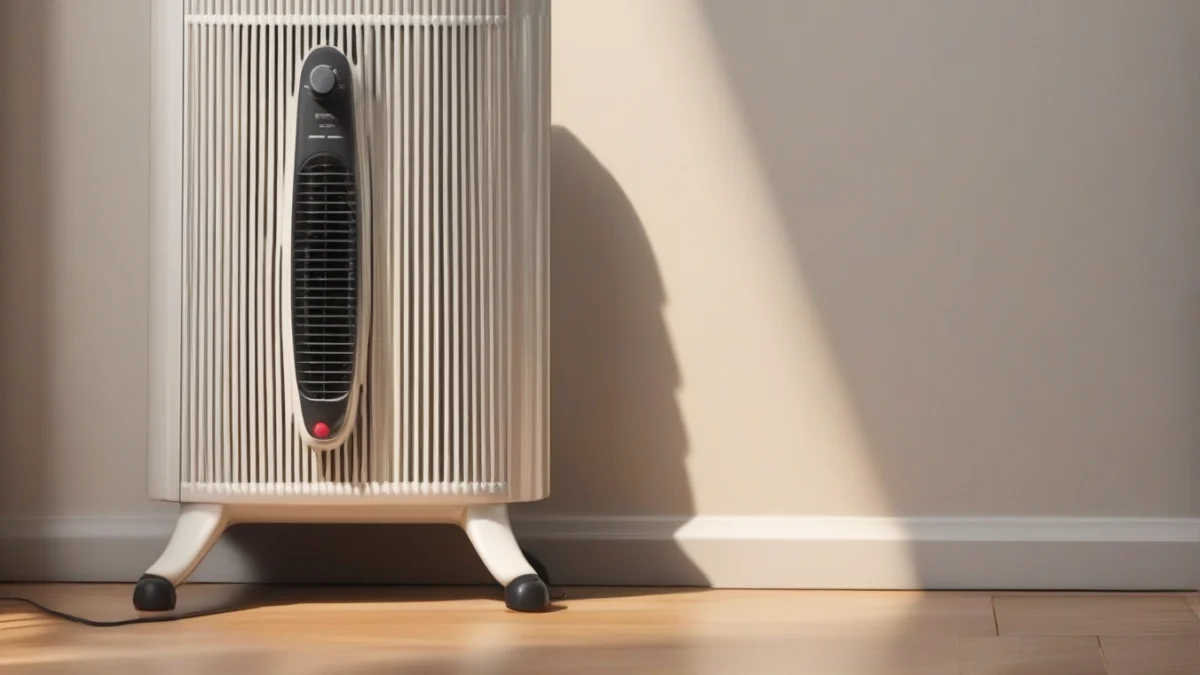
Ceramic fan heaters warm air quickly and spread heat evenly. They usually have multiple heat settings and built-in safety features like tip-over and overheat shut-off. Oil-filled radiators take longer to heat but keep radiating warmth after they turn off, which suits hallways you want to keep warm for longer periods.
| Heater Type | Heating Method | Best For | Cons |
|---|---|---|---|
| Ceramic Fan Heater | Heats air with ceramic elements and a fan | Quick heat in small to medium hallways | Fan noise; uses more electricity when fan runs |
| Oil-Filled Radiator | Heats oil inside fins that radiate warmth | Long-lasting heat in hallways used for hours | Slow to warm up; heavier and less portable |
| Infrared Heater | Radiates heat directly to objects and people | Spot heating in drafty spots or short use | Less effective if drafts block radiant path |
| Baseboard Heater | Electric convection heater mounted low on wall | Permanent supplemental heat | Requires installation; slower heat-up |
For a drafty office that is 10 degrees colder than other rooms, a ceramic heater with adjustable thermostat provides efficient supplemental heat. Place the heater near the coldest spot but away from foot traffic and combustible materials. Keep at least 3 feet of clearance around the heater for safety.
If you have a central heating system, make sure hallway vents are open and unblocked. Adding a small fan near the vent can help circulate warm air into the hallway. Avoid portable heaters that draw more than 1,500 watts on standard outlets to prevent tripping breakers.
Long-Term Improvements for Hallway Insulation
To insulate a hallway effectively, focus on walls, floors and openings. Drafty hallways lose heat quickly without proper insulation, so permanent upgrades reduce heat loss and improve comfort.
- Add Wall InsulationInstall fiberglass batt or foam board insulation inside wall cavities if accessible. This stops cold air from seeping in and keeps warm air inside.
- Insulate FloorsUse rigid foam insulation under floorboards or add a thick rug or carpet to reduce heat loss through cold floors.
- Upgrade WindowsReplace single-pane windows with double-pane or low-E glass models. If replacement is not an option, add interior storm windows or use insulating window film.
- Improve DoorsInstall solid-core doors and add weatherstripping around the edges. Door sweeps block drafts at the bottom.
A professional energy audit can identify hidden leaks and recommend insulation improvements tailored to your hallway. Experts use blower door tests and thermal imaging to find heat loss spots.
Long-term insulation reduces heating costs by keeping warm air where you want it. Permanent upgrades work best combined with sealing and supplemental heating for drafty but heated hallways.
Heating Habits for Energy Efficiency
Heating a cold hallway efficiently means controlling when and where heat goes. Zoned heating lets you focus warmth on the hallway only when needed, saving energy elsewhere.
Use curtains or blinds on hallway windows to trap heat inside during cold months. Open curtains during the day to let sunlight warm the space naturally, then close them at night to keep heat in.
Regular maintenance of heating systems ensures they run efficiently. Replace filters, clean vents and check thermostats to avoid wasted energy and cold spots in your hallway.
For more on how to warm a hallway effectively, see our detailed guide on how to warm a hallway.
Frequently Asked Questions
What are the common causes of drafts in hallways?
How can I quickly seal drafts in my hallway?
What type of heater is best for a drafty hallway?
How can I improve insulation in my hallway?
What are some habits to maintain heat in my hallway?
When should I consider professional help for heating issues?
It helps to understand preventing heat loss with doors before spending anything.
We cover how to heat a nursery in its own guide.
