
Winter in a drafty apartment can lead to discomfort and high heating bills. Many renters feel the chill, unable to make permanent changes, but several tactical interventions can help.
How to Keep a Drafty Apartment Warm in Winter
Start by sealing gaps around windows and doors with weatherstripping or caulk. Use a space heater rated for at least 1,500 watts to supplement your main heating system effectively.
Fixing drafty windows in winter means blocking air leaks that let cold air in and warm air out. Apply foam tape or plastic film to window frames and use door sweeps on entry doors to cut drafts. This keeps your heating effort inside rather than wasted outside.
Choose a ceramic or oil-filled radiator heater for a drafty apartment. Ceramic models heat quickly and are good for short use, while oil-filled radiators maintain warmth longer after turning off, which suits all-night heating. Both types usually have tip-over and overheat protection, essential for safe use in rented spaces.
- Identify Draft SourcesCheck for cold spots around windows, doors, electrical outlets, and baseboards by feeling for air movement or using a lit incense stick to see smoke drift.
- Seal Windows and DoorsApply weatherstripping, caulk, or plastic window film to close gaps. Add door sweeps and draft stoppers to block under-door drafts.
- Optimize HeatingUse a 1,500 W heater on its highest setting in the main living area. Keep heaters at least 3 feet away from flammable materials and plug directly into wall outlets.


Identifying Draft Sources
Start by inspecting windows and doors for cold air leaks. Feel along the edges and use a small piece of tissue or incense smoke to detect moving air.
Check electrical outlets on exterior walls by carefully removing the cover plate and feeling for cold air inside the wall cavity. Use foam gaskets behind outlet covers to reduce drafts.
Thermal bridging happens when heat passes through materials like metal window frames or wall studs, bypassing insulation. These spots feel colder and can cause noticeable drafts inside.
The stack effect pulls warm air upward and out through ceiling leaks while drawing cold air in at lower levels like doors and windows. This creates constant air movement that chills your apartment.
- Check Windows and DoorsRun your hand or a piece of tissue along edges to find air leaks.
- Inspect Electrical OutletsRemove cover plates carefully and check for drafts; install foam gaskets if needed.
- Look for Thermal BridgesFeel for cold spots on walls, window frames, and around pipes where heat escapes.
- Understand Stack EffectNotice if warm air rises and pulls cold air in at lower points, causing drafts.
Sealing Windows and Doors
Start by applying weatherstripping around window and door frames. Choose adhesive-backed foam or rubber strips that compress when the window or door closes, creating a tight seal against cold air. Measure each frame carefully before cutting the strips to size for a neat fit.
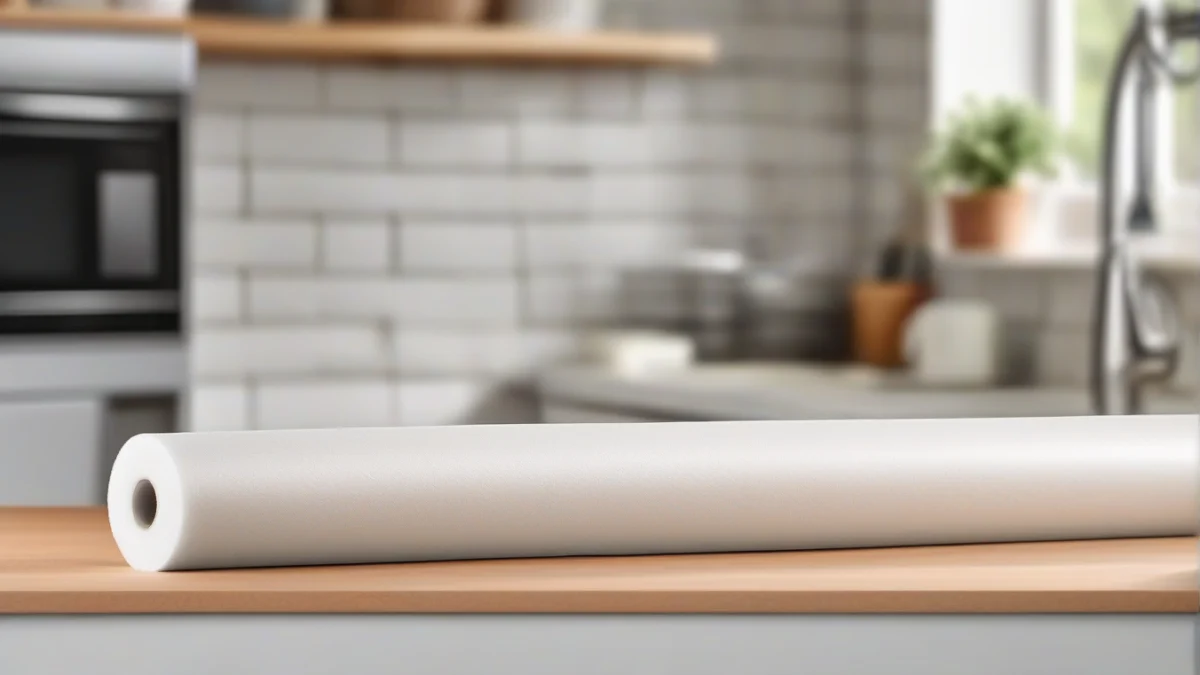
Window insulation film adds a clear barrier that traps warm air inside. Apply the film using double-sided tape around the window edges, then use a hairdryer to shrink the film tight. This reduces heat loss through glass by up to 50% without damaging window surfaces.
- Apply WeatherstrippingClean the frame surface, let it dry, peel the backing from the weatherstrip, and press it firmly along the edges where drafts occur.
- Install Window FilmMeasure and cut film slightly larger than the window, attach double-sided tape to the frame, stick the film in place, and shrink it with a hairdryer for a smooth finish.
- Fit Door SweepsAttach a door sweep or draft stopper at the bottom of exterior and interior doors to block cold air from entering underneath. Screw or stick the sweep firmly to the door bottom edge.
Renter-Friendly Insulation Techniques
Use outlet insulators to block drafts from electrical outlets on exterior walls. These foam pads fit behind outlet covers and stop cold air from sneaking in through gaps.
Thermal curtains add a layer of insulation over windows and doors. Choose heavy, tightly woven or lined curtains that trap heat inside and block cold air outside. Close them fully at night and during cold days for best effect.
- Insert Outlet InsulatorsTurn off power to the outlet, remove the cover plate, place the foam insulator inside the wall box, and replace the cover securely.
- Hang Thermal CurtainsInstall curtain rods close to the ceiling and wide enough to cover the entire window or door. Use curtains with dense fabric and thermal lining to improve warmth retention.
- Layer Rugs on FloorsCover bare floors, especially near windows and doors, with thick rugs or carpet layers. This adds insulation and reduces cold coming up through the floor.
Optimizing Existing Heating Sources
Clear the space around radiators and heating vents. Furniture, curtains, or rugs that block airflow reduce heat circulation and make your heating system work harder.
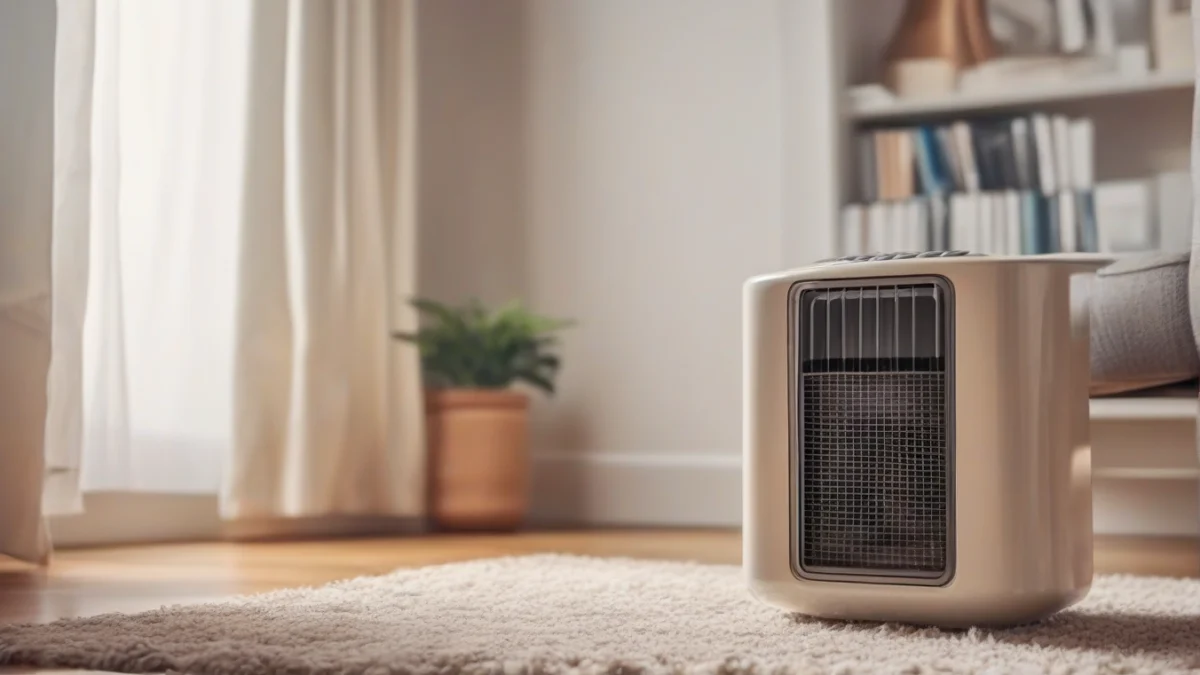
- Move obstacles awayKeep at least 3 feet clear around radiators and heating vents to allow warm air to flow freely into the room.
- Clean vents and radiatorsDust and dirt buildup reduce heat output. Vacuum or wipe surfaces regularly to maintain efficiency.
- Install reflective panelsPlace heat-reflective panels behind radiators on exterior walls. These panels reflect heat back into the room instead of letting it escape through the wall.
| Action | Benefit |
|---|---|
| Clear obstructions around radiators and vents | Improves heat distribution and lowers heating costs |
| Clean radiators and vents | Maximizes heat output |
| Use reflective panels behind radiators | Reflects up to 90% of heat back into the room |
When to Talk to Your Landlord
Some draft and heating problems need professional repair or upgrades. If sealing windows and doors and optimizing your heating don’t fix cold spots, it’s time to involve your landlord.
- Document the issueNote persistent drafts, uneven heating, or broken heaters. Take photos or videos to show the problem clearly.
- Request energy efficiency improvementsFrame your request around saving energy and reducing heating costs. Suggest sealing gaps professionally, upgrading insulation, or servicing the heating system.
- Ask for a timelineGet a clear schedule for repairs or improvements so you know when to expect results.
Landlords are more likely to act when requests focus on energy efficiency and cost savings. If heating issues persist, mention local tenant laws that require adequate heating during winter.
If your landlord does not respond to legitimate heating problems, research tenant rights in your area or contact local housing authorities. A working heating system is essential for safety and comfort.
For more ways to heat specific rooms effectively, see how to keep your living room warm all winter long or how to warm a drafty upstairs room in winter.
Frequently Asked Questions
What are the best ways to seal drafty windows?
How can I insulate my apartment without permanent changes?
What should I do if my apartment is still cold after sealing drafts?
Are there specific products that help with draft-proofing?
How can I optimize my heating system for a drafty apartment?
When should I contact my landlord about heating issues?
The other half of this decision is safe insulation methods.
If that sounds like your room, read up on how to insulate a spare bedroom for occasional use next. Before you buy anything, it is worth looking at keeping rooms warm easily.