
Keeping your home warm without overspending is a common challenge. Fortunately, effective insulation can be achieved with smart strategies and inexpensive materials.
Budget
The best insulation upgrades for homes start with understanding R-value and air sealing. Use budget-friendly materials like fiberglass batts, foam board, weatherstripping, caulk, and spray foam to block heat loss and drafts.
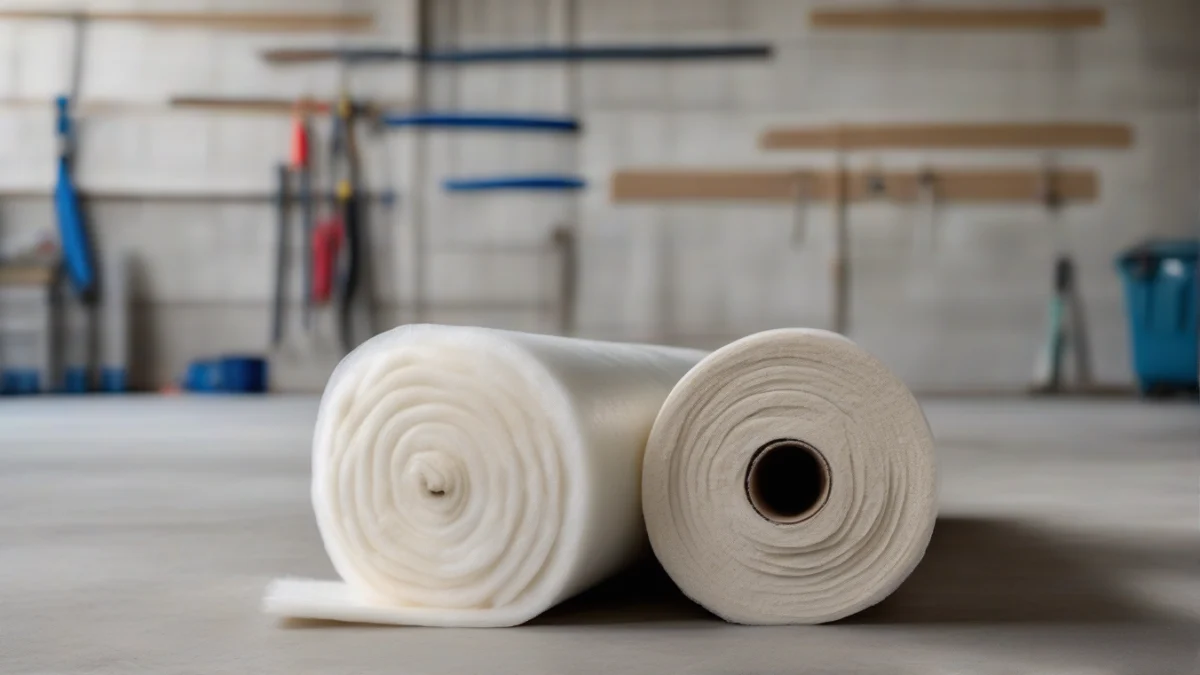
R-value measures how well a material resists heat flow. The higher the R-value, the better the insulation. Air sealing stops cold air from leaking in and warm air from escaping. Both are essential for cutting energy bills.
Start by checking your home’s insulation in attics, walls, and floors. Look for gaps, compressed or missing insulation, and moisture damage. Use a flashlight to inspect dark corners and behind electrical outlets. A thermal camera or infrared thermometer can help spot cold spots.
Here are 5 inexpensive insulation options for DIY beginners: fiberglass batts, rigid foam board, spray foam sealant, weatherstripping tape, and caulk. Fiberglass batts fit between studs and joists. Foam board adds rigid insulation to walls or attic hatches. Spray foam fills cracks and gaps. Weatherstripping and caulk seal doors and windows.
| Insulation Material | Typical R-Value per Inch | Best Use |
|---|---|---|
| Fiberglass Batts | 3.1 to 3.4 | Walls, attics, floors |
| Rigid Foam Board | 4 to 6.5 | Basements, exterior walls |
| Spray Foam | 3.6 to 7 | Sealing gaps, irregular spaces |
| Weatherstripping Tape | NA | Door and window gaps |
| Caulk | NA | Small cracks around frames |
Step-by-Step Weatherization for Windows and Doors
- Inspect for DraftsClose all doors and windows. Hold a lit incense stick near frames and look for smoke flickering, which shows air leaks.
- Clean SurfacesRemove dust, dirt, and old caulk or weatherstripping. Use rubbing alcohol or soapy water to ensure surfaces are dry and clean for good adhesion.
- Apply CaulkUse a high-quality silicone or acrylic latex caulk around window and door frames. Smooth the bead with a wet finger or tool. Let it cure as per the product instructions.
- Install WeatherstrippingMeasure door and window gaps. Cut weatherstripping tape or foam to size. Press firmly along the edges to seal drafts without blocking movement.
For conservatory walls, rigid foam board or insulated panels work well to reduce heat loss. Combine these with draft-proofing windows and doors for best results. Checking insulation regularly helps maintain comfort and efficiency.
This process improves your home’s insulation by reducing air leaks, a major source of heat loss. It costs little but can lower heating bills significantly. For more ways to winterproof your home affordably, see winterproof your home on a budget.
Affordable Attic and Wall Insulation Techniques
Adding insulation to your attic is one of the most cost-effective ways to cut heating bills. Use loose-fill fiberglass or cellulose because they are affordable and easy to install. Aim for at least R-38 in colder climates, which typically means about 12 to 15 inches of insulation depth.
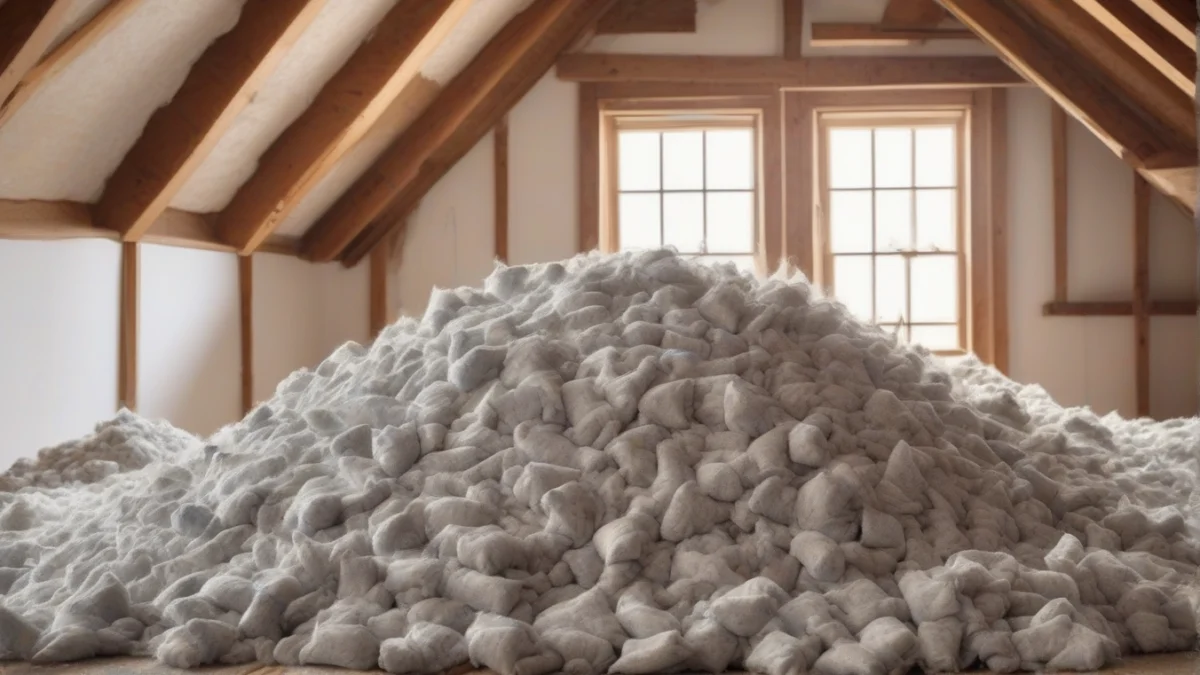
Basement rim joists are a common source of heat loss. Seal gaps with spray foam or caulk, then cover with rigid foam board for added insulation. This method warms cold basement rooms without expensive remodeling or heating upgrades.
Rigid foam boards work well on walls that are difficult to insulate from the inside. They provide a continuous insulation layer that reduces thermal bridging. For conservatories, installing rigid foam boards beneath interior wall panels improves heat retention. Combine this with draft sealing for best results.
- Add Attic InsulationCheck existing insulation depth and add loose-fill or batt insulation to reach recommended R-value for your area.
- Seal and Insulate Rim JoistsSpray foam or caulk gaps around the rim joist, then attach rigid foam board to cover the area.
- Install Rigid Foam Boards on WallsAttach foam boards to interior walls or conservatory walls using adhesive and mechanical fasteners, then cover with drywall or paneling.
Maintaining Efficiency: Long-Term Budget Tips
Annual home energy audits help identify new leaks and insulation gaps. Many utility companies offer free or low-cost audits. Use their reports to prioritize repairs that save the most energy.
Regular HVAC maintenance keeps your heating system running efficiently. Change filters every 1 to 3 months and schedule professional tune-ups yearly. Clean ducts and vents to improve airflow and reduce energy waste.
Smart thermostats and timers cut heating costs by adjusting temperature based on occupancy and time of day. Install models that learn your schedule or allow remote control via smartphone.
- Schedule Annual Energy AuditContact your utility provider or hire a certified auditor to check for air leaks and insulation issues.
- Maintain Your HVAC SystemReplace filters regularly and arrange yearly professional maintenance to ensure efficient operation.
- Install and Use Smart ControlsChoose a programmable thermostat and set it to reduce heating when the house is empty or at night.
- Apply Budget-Friendly WeatherstrippingUse adhesive-backed foam or V-strip weatherstripping on doors and windows. It is inexpensive, easy to install, and ideal for rentals.
- Use Cheap Winterproofing TipsAdd draft stoppers to doors, close curtains at night, and use area rugs on cold floors to retain heat.
Frequently Asked Questions
What are the best budget-friendly insulation materials?
How can I insulate my home cheaply?
What is the R-value and why is it important?
How do I check for drafts in my home?
What are the most effective DIY insulation techniques?
When should I consider replacing insulation instead of repairing it?
We cover draft-proofing pipes in walls in its own guide.
Readers in this position usually ask about high wind home insulation as well.
