
A broken heated blanket cord can leave you in the cold, but the good news is that you may not need to replace the entire blanket. Understanding how to diagnose the issue and whether to repair or replace the cord can save you time and money.
Your Heated Blanket Cord Broke
If your heated blanket cord is broken, unplug the blanket immediately to prevent electric shock or fire. Then inspect the cord carefully to decide if you can repair it or need a replacement cord designed for your model.
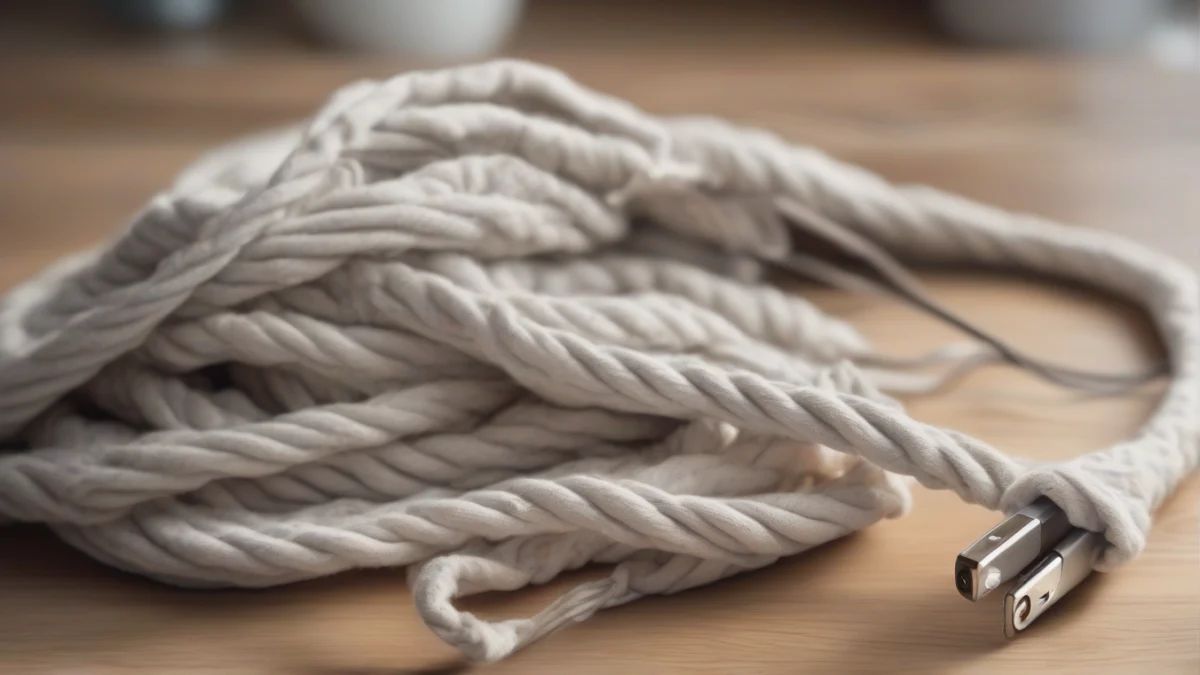
Heated blanket cords commonly fail from repeated bending, pulling, or pinching where the cord meets the blanket or the plug. Pets chewing the cord or accidental damage from furniture can also cause breaks. Over time, insulation cracks and internal wires break, leading to intermittent or no power.
To troubleshoot, first unplug the blanket and visually inspect the entire cord length for cuts, exposed wires, or burn marks. Check the plug for bent or loose prongs. If the cord is detachable, confirm it fits securely and shows no damage.
- Unplug and InspectUnplug the blanket. Look for visible damage on the cord and plug. Do not use the blanket if you find any.
- Test ContinuityUse a multimeter to check if the cord wires conduct electricity. No continuity means the cord is broken internally.
- Check ConnectionsIf the cord detaches from the blanket, ensure the connection pins and sockets are clean and undamaged.
- Replace or RepairIf the cord is damaged beyond simple fixes, get a replacement cord made for your heated blanket model. Avoid generic cords that may not match voltage or connector type.
Many heated blankets have replacement cords available from the manufacturer or authorized suppliers. Search for a “replacement cable for electric blanket” specific to your brand and model to ensure compatibility and safety. Never splice or tape a broken cord; this creates a fire hazard.
Some heated blankets carry an Intertek safety mark. If yours does, check the manual or manufacturer website for troubleshooting tips and approved replacement parts. Following their guidance helps maintain safety certifications and performance. For detailed troubleshooting on Intertek blankets, see intertek heated blanket troubleshoot.
Fixing a heated blanket cord involves careful inspection, testing with the right tools, and using proper replacement parts. If you have basic electrical skills, you can test and replace the cord yourself. Otherwise, consider a professional repair or replacement to avoid risk.
| Appliance | Watts | Per hour | Per day (8 h) | Per month (30 days) |
|---|---|---|---|---|
| Running a heated blanket (average) | 100 W | 1.7¢ | 14¢ | $4.08 |
Common Causes of Heated Blanket Cord Issues
If your heated blanket is not working or loses power when you move the cord, the problem often lies in the cord or controller. Identifying the cause helps decide if you can fix it or need a replacement.
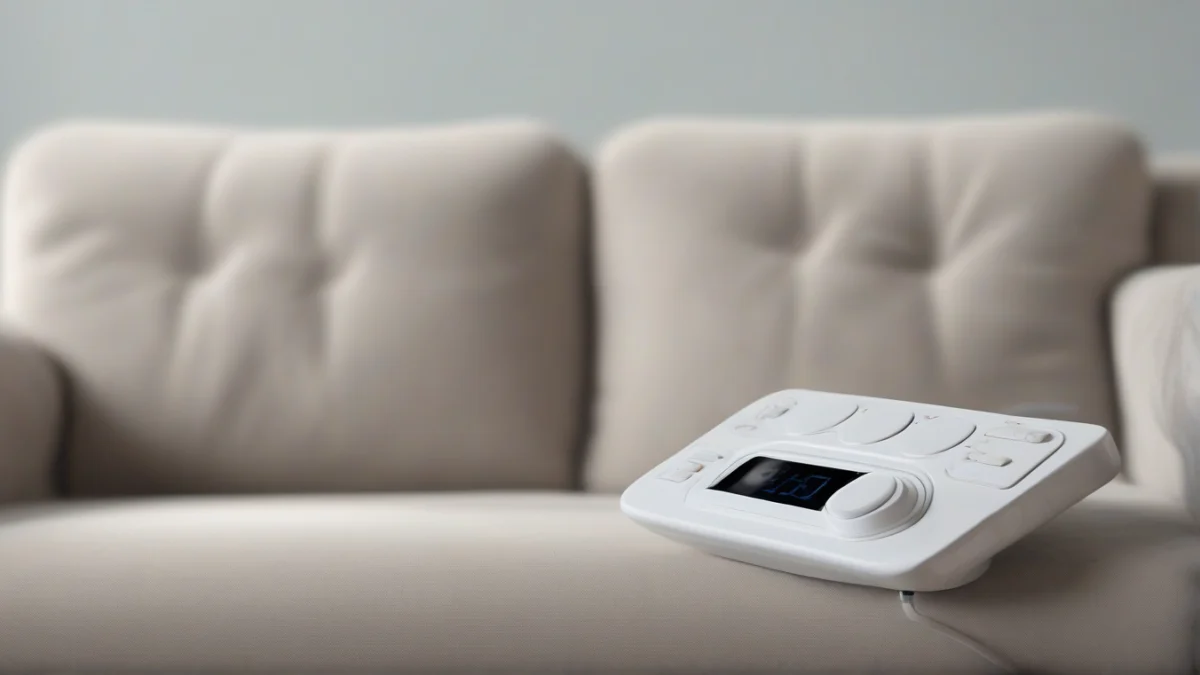
- Blown Fuse in the ControllerMany heated blankets have a fuse inside the controller that cuts power if there is a fault. A blown fuse will stop the blanket from heating. Test continuity with a multimeter or check the manual for fuse access and replacement instructions.
- Frayed or Broken Wire in the CordRepeated bending or pulling can fray or break the wires inside the cord. This causes intermittent power or no power. Visual inspection often shows damaged insulation, exposed wires, or a split cord.
- Faulty Connection at the Strain PointThe strain point is where the cord enters the blanket or controller. This spot endures stress from bending and pulling. If the connection is loose or wires inside are broken, power will cut out when the cord moves.
- Outdated Controller Without Safety FeaturesOlder controllers may lack modern safety features like automatic shut-off or robust strain relief. They are more prone to internal failures or wire damage. If your blanket is old, the controller could be the weak link causing power issues.
Step-by-Step Guide to Fixing Your Heated Blanket Cord
Fixing a heated blanket cord starts with safety. Unplug the blanket and let it cool completely before handling the cord or controller.
- Document the Old ConnectionTake a clear photo of the existing cord connection and controller. This helps you match wires and connectors when sourcing a replacement.
- Source a Compatible Replacement Cord or ControllerFind a replacement cord designed for your blanket’s brand and model. Using an incompatible cord risks damage or fire. Many manufacturers sell replacement cords; otherwise, check specialty stores or online.
- Disconnect the Old Cord SafelyOnce unplugged and cooled, carefully detach the old cord from the blanket. Avoid forcing connectors or cutting wires unless you have electrical experience.
- Connect the New CordMatch wires and connectors exactly as in your photo. Ensure all connections are secure and insulated to prevent shorts.
- Test the New ConnectionPlug in the blanket in a safe area with no flammable materials nearby. Turn it on briefly to confirm heating works and the cord does not get hot or spark.
- Finalize the RepairIf the test passes, secure any loose wires with electrical tape or wire nuts. Make sure the cord runs freely without tension or kinks before regular use.
When to Replace Your Heated Blanket Instead of Repairing
You can replace the heated blanket cord, but sometimes replacing the entire blanket is safer and more cost-effective.
Age matters. Heated blankets older than 10 years may not meet current safety standards. Wear and tear can cause internal damage not visible externally.
Recurring problems after repair are common in older or heavily used blankets. Replacing the blanket avoids repeated risk and repair costs.
Cost of Running a Heated Blanket
The main factor in calculating how much it costs to run a heated blanket is its wattage. Most heated blankets use between 60 and 100 watts. The “heated blanket charger cord” you plug into the wall supplies this power directly, so the electricity cost depends on how many watts it draws and how long you use it.
To find the cost, first check your heated blanket’s label or manual for its wattage. If that’s not available, assume about 100 watts for a full-size blanket on a medium setting. Then multiply the wattage by the number of hours you use it each day. Divide by 1,000 to convert to kilowatt-hours (kWh), the unit your electric bill uses. Finally, multiply by your local electricity rate, usually listed in cents or dollars per kWh.
- Calculate Daily UsageMultiply the blanket’s wattage (e.g., 100 W) by hours used per day (e.g., 8 hours). For example, 100 W × 8 hours = 800 watt-hours.
- Convert to Kilowatt-HoursDivide watt-hours by 1,000: 800 ÷ 1,000 = 0.8 kWh.
- Multiply by Electricity RateIf your rate is $0.17 per kWh, multiply 0.8 × 0.17 = $0.136 per day.
| Appliance | Watts | Per hour | Per day (8 h) | Per month (30 days) |
|---|---|---|---|---|
| 1,500 W space heater | 1,500 W | 26¢ | $2.04 | $61.20 |
| Heated blanket | 100 W | 1.7¢ | 14¢ | $4.08 |
This example shows a heated blanket uses far less electricity than a space heater. Running a heated blanket for 8 hours a day costs about $0.14 daily or $4 to $5 monthly at $0.17 per kWh. Adjust these numbers if your local rate or usage time differs. Using the blanket on lower settings reduces consumption.
