
Heated blankets can significantly enhance comfort during cold nights, but they can also present challenges. Many users experience issues such as uneven heating, complex controls, and safety concerns.
Solving Bed Sure Heated Blanket Challenges
Common issues with Bedsure heated blankets include uneven heating, concerns about safety, and questions on energy use. Fixing uneven heating usually means checking for proper placement and ensuring the blanket is not folded or creased, which can block heating wires.
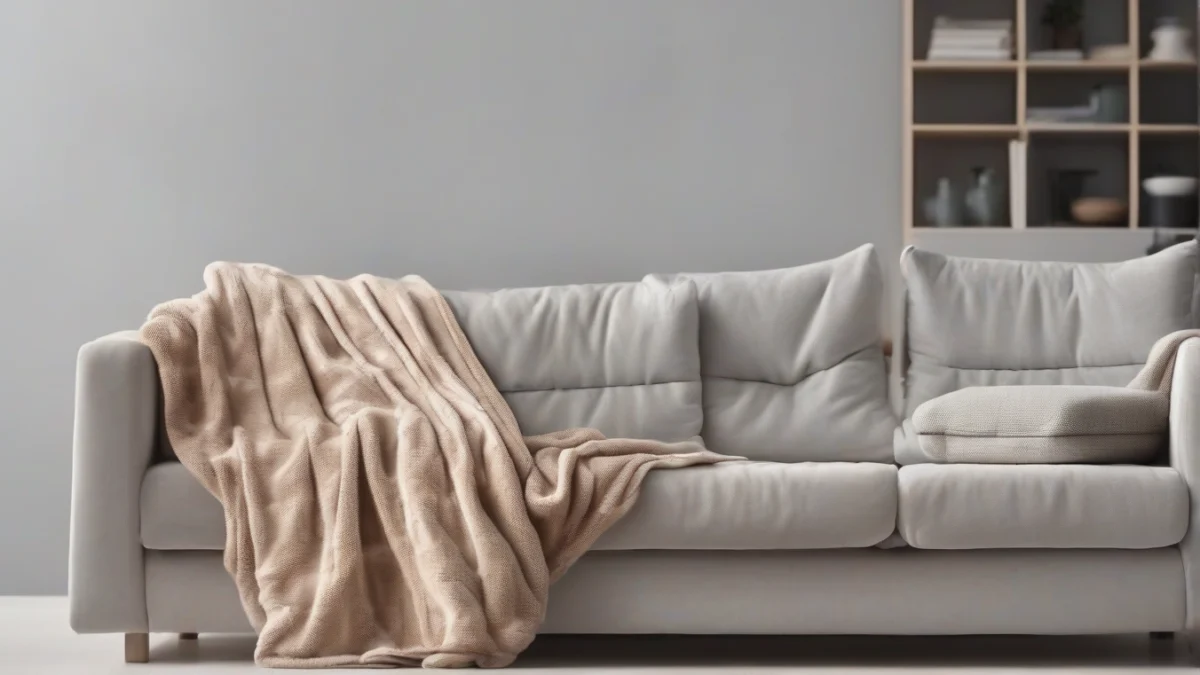
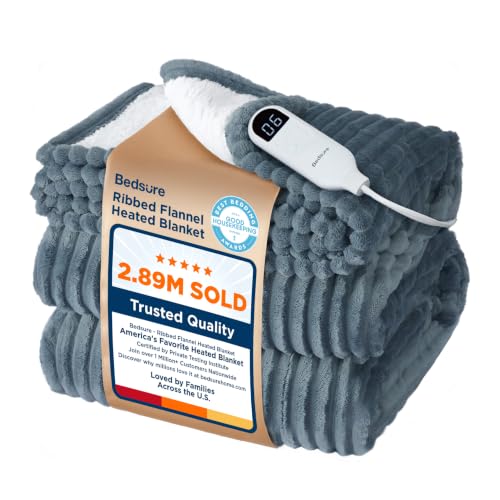
Bedsure blankets feature advanced heating wires designed for fast and even warmth, reducing cold spots. Their controls offer six heat levels and six timer settings, allowing users to customize comfort while preventing overheating with an 8-hour auto shut-off.
| Feature | Bedsure Heated Blanket |
|---|---|
| Heating Levels | 6 |
| Timer Settings | 1-2-4-6-8-10 hours |
| Power Consumption | 100-130 W |
| Safety Certifications | ETL, FCC |
| Auto Shut-Off | 8 hours |
Safety is a key concern with electric blankets. Bedsure blankets exceed UL safety standards and pass 74 rigorous tests, including overheat and short circuit protection. Users should follow manufacturer guidelines and never use a damaged blanket to avoid risks.
User-friendly controls are essential. Bedsure’s remote allows easy adjustment of heat and timer settings. The preheat function offers immediate warmth without manual setting changes, improving comfort and ease of use.
Durability and maintenance vary by model but generally include machine washable fabrics and reinforced stitching. Proper care extends blanket life and maintains soft texture.
Energy consumption is low compared to traditional heaters. Bedsure blankets use about 100 to 130 watts, roughly one-thirtieth the energy of a space heater. This makes them cost-effective for sustained warmth.

Understanding Heating Technology
Heated blankets work by running electricity through thin heating wires woven into the fabric. These wires generate heat that spreads across the blanket surface to warm the user.
Heating wires regulate temperature by adjusting electrical current according to selected heat levels. Bedsure models offer six levels, giving precise control over warmth and energy use.
Multiple heat levels are important for adapting to different preferences and conditions. Lower settings conserve energy and reduce risk of overheating, while higher settings provide fast preheating or extra warmth.
Timer settings add safety and convenience. Bedsure blankets include timers from 1 to 10 hours and an automatic 8-hour shut-off. This prevents continuous running that could cause overheating or waste energy.
- Set Heat LevelChoose one of six heat levels based on your comfort and room temperature.
- Use TimerSelect a timer setting to automatically turn off the blanket after your preferred duration.
- Activate PreheatUse the preheat function for quick warmth before settling in.
- Avoid OverheatingNever cover the blanket with heavy bedding or fold it while powered on to prevent heat buildup.

Safety First: Essential Features
Electric blankets must have critical safety features to prevent fire and injury. Look for ETL or FCC certification, which means the product meets strict electrical safety standards. Bedsure heated blankets, for example, carry both ETL and FCC marks, showing they passed rigorous lab tests.
Auto shut-off is an essential safety feature. It powers down the blanket after a set time, usually 8 hours, to prevent overheating if left on accidentally. This lowers fire risk and saves energy.
Non-certified blankets can have faulty wiring or poor insulation, increasing the risk of electric shock or fire. Never use a heated blanket that lacks certification or has visible damage.
| Feature | Purpose |
|---|---|
| ETL and FCC Certification | Proves compliance with electrical safety standards |
| Auto Shut-Off | Prevents overheating by turning off after a set time |
| Overheat Protection | Stops heating if temperature gets too high |
| Durable Wiring | Prevents short circuits and wire breakage |
| Quality Insulation | Keeps heat contained and avoids burns |
Energy Efficiency and Running Costs
Heated blankets use much less energy than space heaters. A typical Bedsure heated blanket runs at about 100 to 130 watts. To calculate the running cost, use this formula: watts ÷ 1,000 × hours used × cost per kWh.
For example, running a 100-watt blanket for 8 hours a day at 17 cents per kWh costs about $0.14 per day. That’s less than $5 a month, far cheaper than a 1,500-watt space heater running the same time.
| Appliance | Watts | Per hour | Per day (8 h) | Per month (30 days) |
|---|---|---|---|---|
| Bedsure Heated Blanket (100 W) | 100 W | 1.7¢ | 14¢ | $4.08 |
| 1,500 W Space Heater | 1,500 W | 26¢ | $2.04 | $61.20 |
Choosing a low-wattage blanket saves energy. Bedsure’s 100-watt throw blanket uses about one-thirtieth the energy of a typical heater. It keeps you warm efficiently without spiking your electric bill.
- Check the wattageLook at the product label or manual for the blanket’s wattage rating.
- Estimate daily useDecide how many hours you will use the blanket each day.
- Calculate costMultiply watts by hours, divide by 1,000, then multiply by your electricity rate in dollars per kWh.
Choosing the Right Heated Blanket
Choosing a heated blanket starts with matching it to your needs. Consider the size first: twin for single sleepers, full or queen for couples, and king if you want extra coverage. Some models fit beds only, while others double as throws for the couch.
- Assess your heating needsDecide if you want a blanket mainly for bedtime or for lounging. Blankets with multiple heat settings provide more control over warmth and energy use.
- Check fabric qualityLook for soft, breathable materials like microfleece or plush polyester. These fabrics feel comfortable against skin and help distribute heat evenly.
- Prioritize ease of maintenanceChoose blankets with detachable controllers and machine-washable fabric. Follow the manufacturer’s washing instructions carefully to avoid damaging heating wires.
| Feature | What to Look For |
|---|---|
| Size | Twin, Full, Queen, King depending on bed or throw use |
| Fabric | Soft, breathable, machine washable |
| Heat Settings | Multiple levels for comfort and energy control |
| Controller | Detachable for safe washing |
| Safety | UL or ETL certification, auto shut-off |
The best heated blankets combine size, fabric, and safety features to fit your lifestyle. If you want a blanket for all seasons, pick one with a low-heat setting and easy cleaning. For quick warmth, a smaller throw with fast heat-up works well.
If you want a model that lasts, check for certifications like UL or ETL. These show it meets safety standards, reducing fire and shock risks. A detachable controller extends the blanket’s life by allowing proper washing.
For more detailed buying advice, see our guide to the best electric blanket.
User Experiences and Solutions
Real users of heated blankets often face common challenges but find practical solutions. Seniors appreciate simplicity: blankets with one or two buttons and clear indicators reduce confusion and prevent misuse.
Energy-conscious people in small spaces choose blankets with low wattage and multiple heat levels. These blankets keep them warm without raising electricity bills or triggering breaker trips.
Families value versatility. Heated blankets that serve as throws in the living room or extra bedding in the guest room get more use. Washable fabrics and removable controls make shared use hygienic and safe.
| User Scenario | Challenge | Solution |
|---|---|---|
| Senior with limited mobility | Complicated controls | Simple one-button control with auto shut-off |
| Apartment dweller | High energy costs and small space | Low wattage blanket with adjustable heat |
| Family with kids and pets | Frequent washing needed | Machine washable fabric with detachable controller |
Frequently Asked Questions
What should I look for in a heated blanket?
Are heated blankets safe to use overnight?
How can I prevent my heated blanket from overheating?
What is the average cost to run a heated blanket?
How do I clean and maintain my heated blanket?
What are the energy-efficient features to look for in a heated blanket?
For the detail, see our notes on guidelines for heating pad safety.
There is more on how to use electric blankets safely in a guide of its own.
